Decomposed Granite: 2026's Low-Maintenance Path Trend
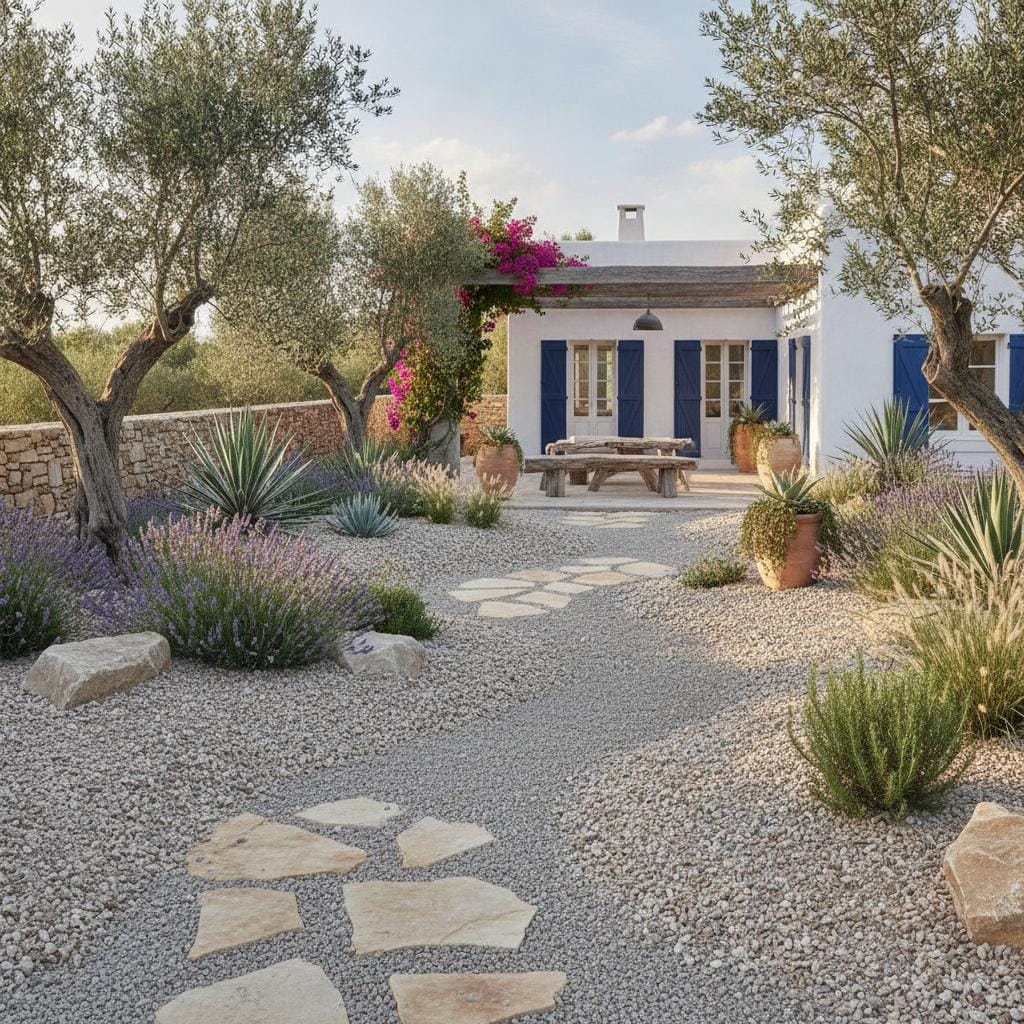
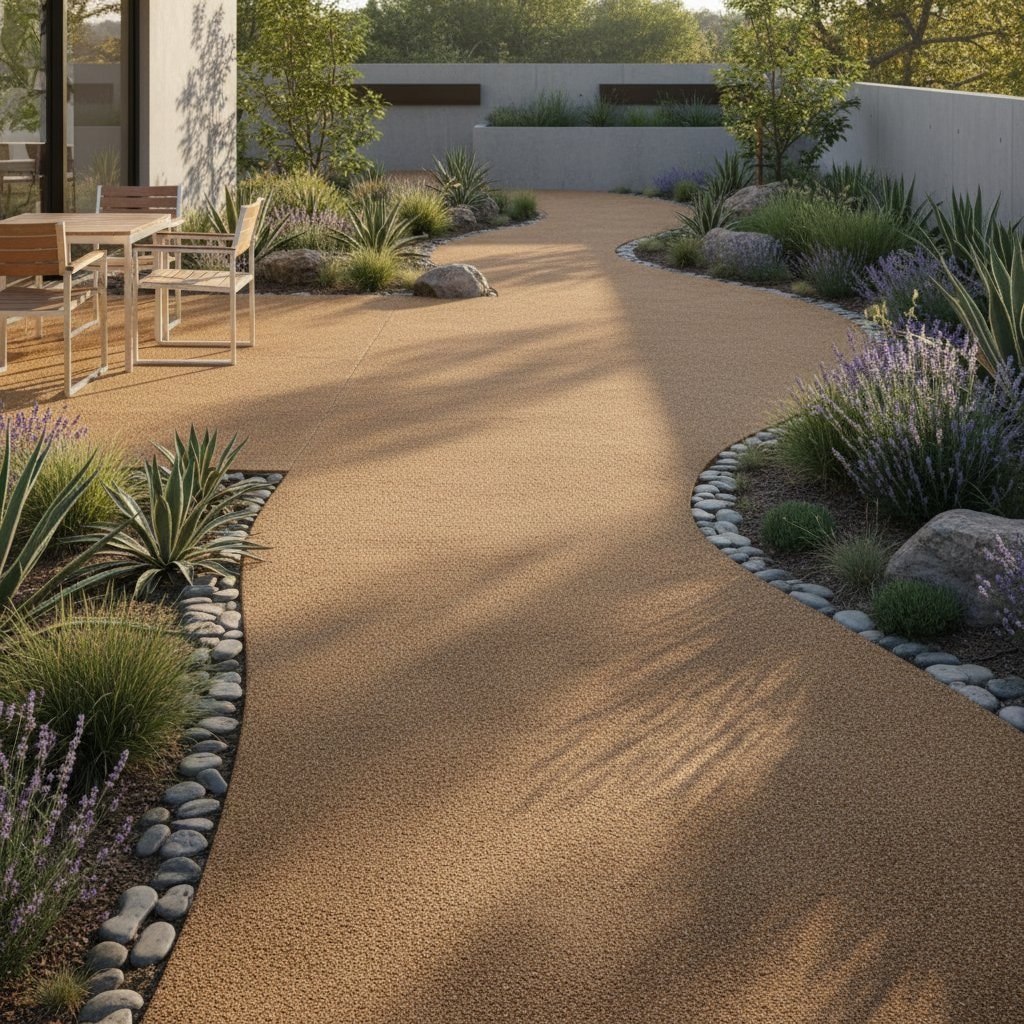
Planning to refresh garden paths or construct a new walkway requires careful consideration of materials that blend aesthetics with functionality. Decomposed granite emerges as a compelling option for homeowners seeking a surface that delivers a natural appearance, enduring strength, and minimal ongoing care. Positioned between loose gravel and solid concrete, this material provides an ideal equilibrium of tactile appeal, user comfort, and structural reliability. It suits diverse applications, from bordering flower beds and outlining courtyards to forming extended walking trails, while accommodating various design visions and financial plans.
This comprehensive guide delves into the essence of decomposed granite, contrasts it with alternative materials, outlines associated expenses, and details installation and maintenance procedures. Upon completion, readers gain a thorough insight to determine if this option aligns with their outdoor space requirements.
Reasons for Rising Popularity
Decomposed granite has served landscaping needs for many years, yet its surge in demand stems from a harmonious blend of visual elegance, ergonomic benefits, and utilitarian advantages. Property owners value its organic feel, efficient water management, and reduced maintenance demands.
Several key factors fuel this ongoing appeal:
- Natural Aesthetic: Decomposed granite harmonizes with contemporary and traditional settings alike. It pairs seamlessly with elements such as stone features, wooden accents, and indigenous vegetation.
- Environmental Compatibility: Derived from pulverized natural rock, it avoids synthetic additives or intensive chemical processing.
- Superior Drainage: Water infiltrates the surface readily, minimizing pooling and erosion issues.
- Economic Value: Pricing remains lower than that of concrete slabs or interlocking pavers, yet it delivers a dependable platform for foot traffic.
- User Comfort: Its finer grain offers a gentler texture than coarse gravel, accommodating barefoot walkers, animal paws, and rolling equipment with ease.
This array of attributes positions decomposed granite as a strong contender against conventional hardscape solutions for discerning homeowners.
Detailed Cost Analysis
Establishing a decomposed granite path involves expenses influenced by variables such as material variant, installation depth, boundary treatments, and professional involvement.
Material Expenses
- Unstabilized Decomposed Granite: Ranges from $30 to $60 per cubic yard.
- Stabilized Decomposed Granite: Falls between $50 and $100 per cubic yard.
- Resin-Coated Decomposed Granite: Costs $80 to $150 per cubic yard.
One cubic yard typically covers approximately 100 square feet at a three-inch depth. For a modest pathway spanning 50 square feet, material outlay alone might total $150 to $450.
Labor Expenses
Engaging professionals incurs $4 to $10 per square foot, encompassing site preparation, soil leveling, compaction, and material placement. Self-installation reduces these expenditures significantly, though it demands dedicated time, appropriate equipment, and moderate physical exertion.
Boundary and Finishing Costs
Options like steel, natural stone, or timber edging contribute $2 to $6 per linear foot. Such containment prevents material migration and preserves a tidy profile. Omitting edging risks gradual dispersal, particularly on inclined terrains.
Comprehensive Installation Guide
Undertaking a decomposed granite installation independently proves manageable with precise attention to site preparation and material consolidation.
- Outline the Pathway: Employ stakes, string lines, or spray paint to delineate the route clearly.
- Excavate the Site: Dig to a depth of four inches, extracting roots, weeds, and loose debris thoroughly.
- Establish Proper Grading: Smooth and slope the subsoil to direct water flow away from structures and depressions.
- Install Base Layer: If soil stability warrants, layer two inches of crushed aggregate and compact it solidly using a roller or tamper.
- Distribute Decomposed Granite: Apply the material in two equal lifts, compacting each with a manual tamper, vibrating plate, or roller for uniform density.
- Apply Moisture: Lightly wet the layers during compaction to facilitate particle adhesion and settling.
- Secure Boundaries: Position edging materials along the perimeter to confine the decomposed granite effectively.
- Final Smoothing: Add any shortfall material and level the surface for a polished, even finish.
When using stabilized variants, incorporate the binding agent into the decomposed granite mix prior to distribution. For resin-coated types, adhere strictly to producer guidelines regarding application timing, moisture levels, and curing periods to achieve optimal results.
Advantages and Disadvantages Overview
Advantages
- Cost-effective relative to pavers or poured concrete.
- Organic appearance that integrates effortlessly into diverse landscapes.
- Simple to mend or rejuvenate as needed.
- Excellent permeability for water infiltration.
- Pleasant underfoot sensation for various users.
Disadvantages
- Potential for fine particles to adhere to shoes and enter interiors.
- Minor displacement possible with intense use.
- Requires edging to maintain form.
- Prone to dust generation in arid conditions without stabilization.
- Less suitable for pronounced inclines absent reinforcement.
Evaluating these aspects enables informed assessment of whether decomposed granite's strengths surpass its limitations in particular site scenarios.
Regional and Environmental Factors
Decomposed granite excels in arid to temperate zones. Regions experiencing frequent downpours benefit from stabilized formulations to mitigate washout risks. In colder locales, repeated freezing and thawing may disrupt the surface, underscoring the need for meticulous compaction and robust edging.
Shaded, persistently moist environments invite moss accumulation or surface softening; enhance drainage or opt for alternatives like flagstone in such cases. Conversely, in exposed, parched settings, the material retains firmness and allure with scant intervention.
Environmental Advantages
Sourced ethically, decomposed granite stands as an eco-conscious hardscape choice. Composed entirely of natural stone, it demands no synthetic coatings and promotes groundwater recharge through its porous nature. This feature curtails surface runoff, fostering soil vitality and mitigating urban heat effects.
Over time, as the material degrades, repurpose it within the property as backfill or a soil enhancer, extending its lifecycle and reducing waste.
Integrating Decomposed Granite into Your Landscape
Decomposed granite transforms ordinary paths into enduring, visually cohesive elements of your outdoor domain. By selecting the appropriate type and following proven installation practices, achieve a surface that enhances accessibility while honoring natural surroundings. Consult local suppliers for region-specific variants to ensure long-term performance tailored to your climate and terrain.