Decomposed Granite Paths: Trending Low-Maintenance Options
Decomposed granite emerges as a popular choice for homeowners seeking visually appealing, natural pathways with minimal ongoing care. This material delivers a polished yet relaxed aesthetic, ideal for contemporary landscapes. From garden walkways to comprehensive hardscape projects, decomposed granite strikes an effective equilibrium among expense, visual impact, and upkeep demands.
Understanding Decomposed Granite and Its Advantages
Decomposed granite, commonly abbreviated as DG, derives from eroded granite rock that fragments into fine particles of gravel and dust. Its compact grain size enables it to form a stable surface when compressed. Properly compacted DG yields a firm foundation that provides greater stability than loose gravel, while preserving a more organic appearance compared to concrete slabs or interlocking pavers.
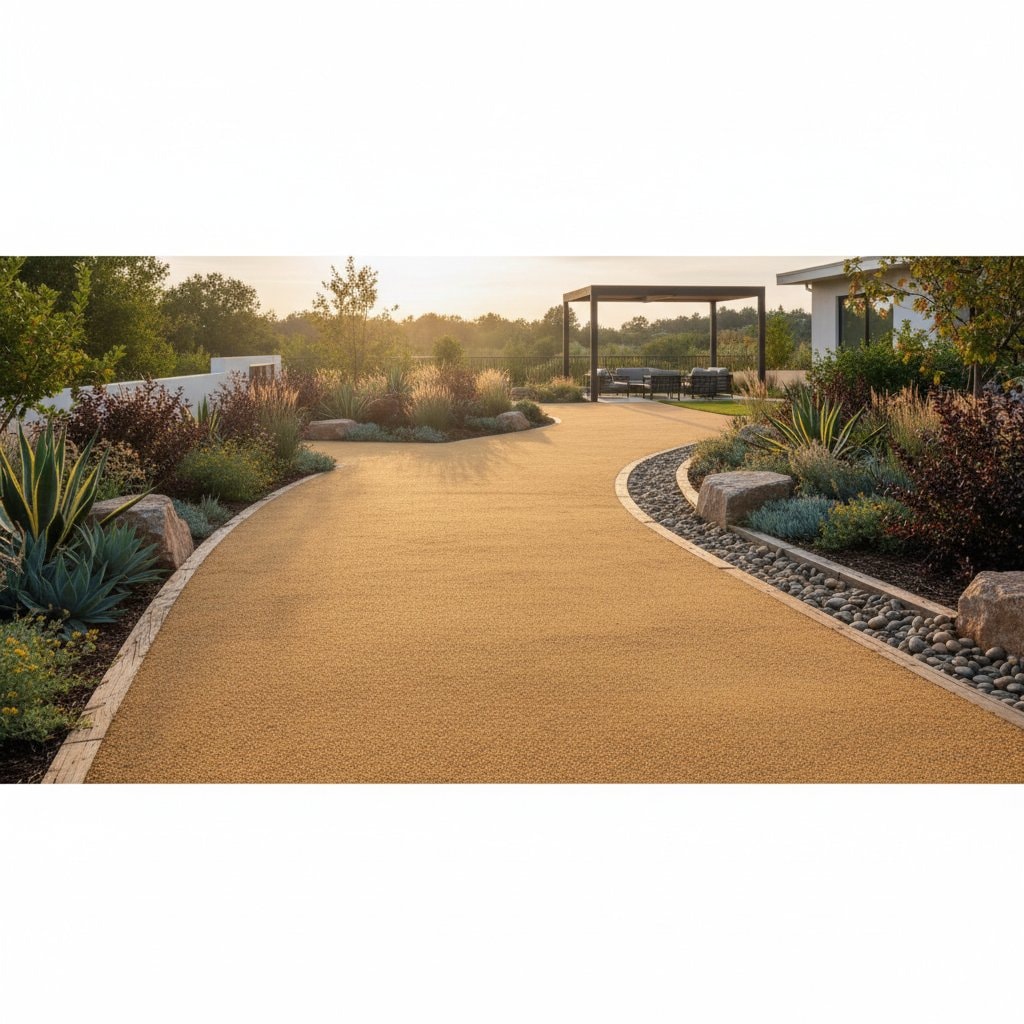
Decomposed granite appears in various hues, including gold, gray, tan, and reddish-brown, influenced by the originating quarry. These options facilitate seamless integration with a home's facade or garden palette. Homeowners value its grounded aesthetic, which harmonizes with vegetation, stone edging, and timber elements.
Primary Benefits for Residential Applications
Decomposed granite attracts those desiring a tidy, undemanding exterior surface. The following attributes highlight its suitability for pathways and patios:
- Superior permeability: Water infiltrates readily, minimizing pooling and soil erosion.
- Economic value: Pricing typically falls below that of pavers or concrete, with accessible materials and uncomplicated installation.
- Pleasant texture: The subtle grain ensures comfort for barefoot traversal.
- Adaptable style: It accommodates both rustic settings and sleek hardscapes, contingent on bordering and finishing techniques.
- Straightforward corrections: Uneven sections can be adjusted and recompacted without full replacement.
Principal Varieties of Decomposed Granite
Landscaping employs three primary categories of decomposed granite, each tailored to specific requirements.
- Unstabilized DG: The simplest variant excels in drainage and informal aesthetics but may displace with time. It suits garden trails or low-traffic zones.
- Stabilized DG: Incorporation of a binding agent fortifies the aggregate, yielding a more rigid surface resistant to displacement and degradation. This type proves optimal for frequented walkways and patios.
- Resin-bound DG: A resin adhesive produces a resilient, even finish akin to asphalt. Though pricier, it demands scant maintenance and deters weed growth and runoff.
Selection hinges on intended usage. Unstabilized DG complements leisurely garden routes, whereas stabilized or resin-bound forms endure driveways and busy thoroughfares.
Step-by-Step Installation Guide for DG Pathways
Homeowners proficient in fundamental yard work can undertake decomposed granite installation independently. While specialized equipment remains unnecessary, thorough base preparation significantly extends durability.
1. Outline and assess the route.
Employ stakes and twine to delineate the pathway. Evaluate gradients to ensure runoff directs away from structures.
2. Clear and excavate.
Excavate to four through six inches deep using a spade or leased sod remover. Compact the underlying soil for a solid subbase.
3. Install the subbase.
Distribute two to three inches of crushed aggregate or road base, then compact thoroughly. This underlayer enhances percolation and stabilizes the overlay.
4. Layer the decomposed granite.
Apply DG in one- to two-inch increments. Lightly dampen each layer and compress with a manual tamper or vibratory compactor. Repeat to attain the target thickness.
5. Edge and finalize.
Secure borders with metal strips, bricks, or flexible lumber to maintain alignment. Smooth the top with a rake and perform a concluding compaction.
Most pathways finish over a weekend, varying by dimensions and conditions. Stabilized or resin variants may necessitate additional curing periods before accessibility.
Pricing and Upkeep Considerations
Decomposed granite expenses vary by variant and site readiness. Unstabilized material costs one to three dollars per square foot, escalating to eight dollars for stabilized or resin-bound types. Hiring professionals incurs labor fees, yet DG installations generally prove more budget-friendly than concrete or paver alternatives.
Upkeep remains light post-installation. Routine practices include:
- Periodic raking to even out impressions from foot or vehicle traffic.
- Periodic replenishment of material as wear occurs over years.
- Manual removal or targeted herbicide application for edge weeds.
- Brushing or rinsing accumulations in arid periods.
Following intense precipitation, restore eroded areas by refilling and recompacting. Stabilized DG withstands such events more effectively, justifying its modest premium in rainy or inclined locales.
DG Versus Alternative Pathway Surfaces
Comparisons between decomposed granite and competitors emphasize distinctions in visuals, budget, and care.
- Concrete: Offers robustness and longevity but demands higher initial outlay. Impermeability risks cracking and water retention.
- Pavers: Provide uniform elegance yet require extensive groundwork and may displace absent a firm foundation.
- Standard gravel: Delivers affordability and simplicity but shifts readily and lacks walking comfort.
- Organic mulches: Present softness and natural allure but decompose swiftly, necessitating regular renewal.
Decomposed granite occupies a balanced niche, merging endurance, attractiveness, and economy.
Integrating DG into Contemporary Designs
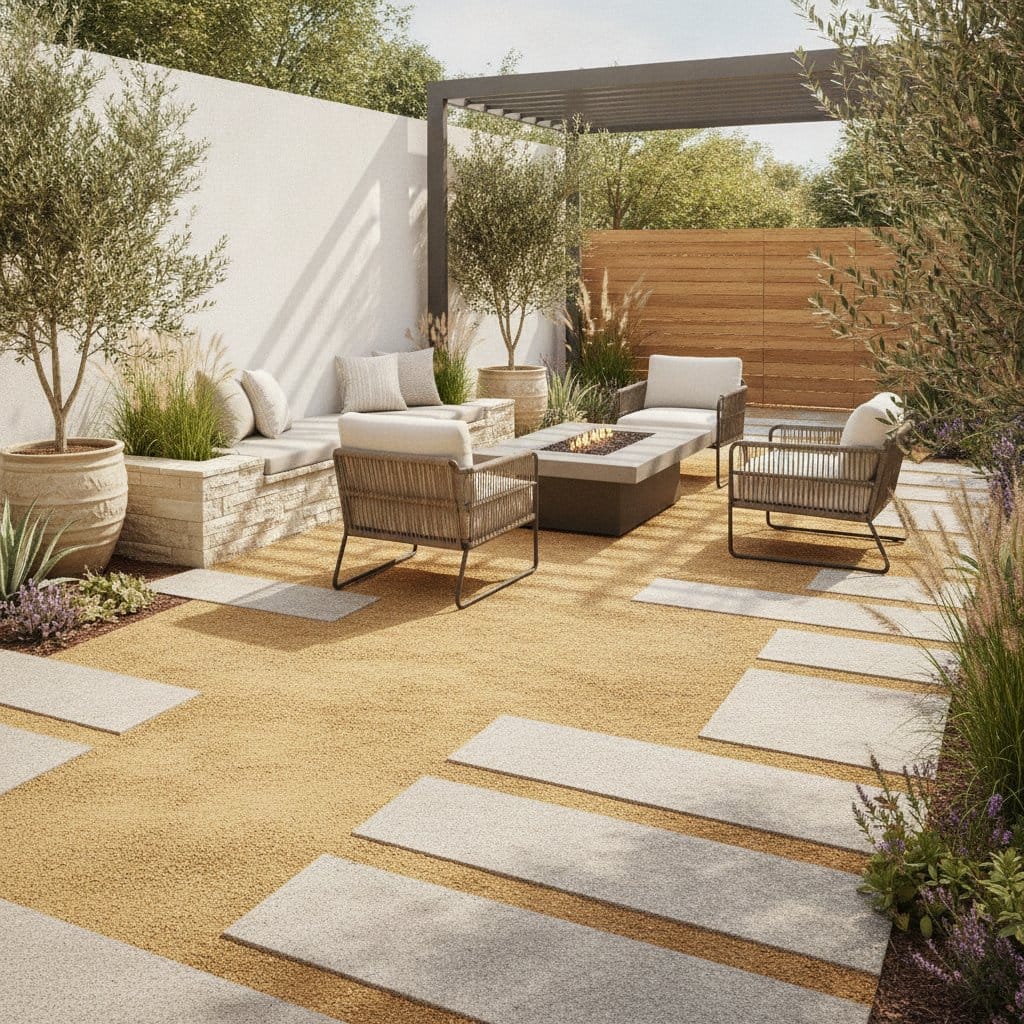
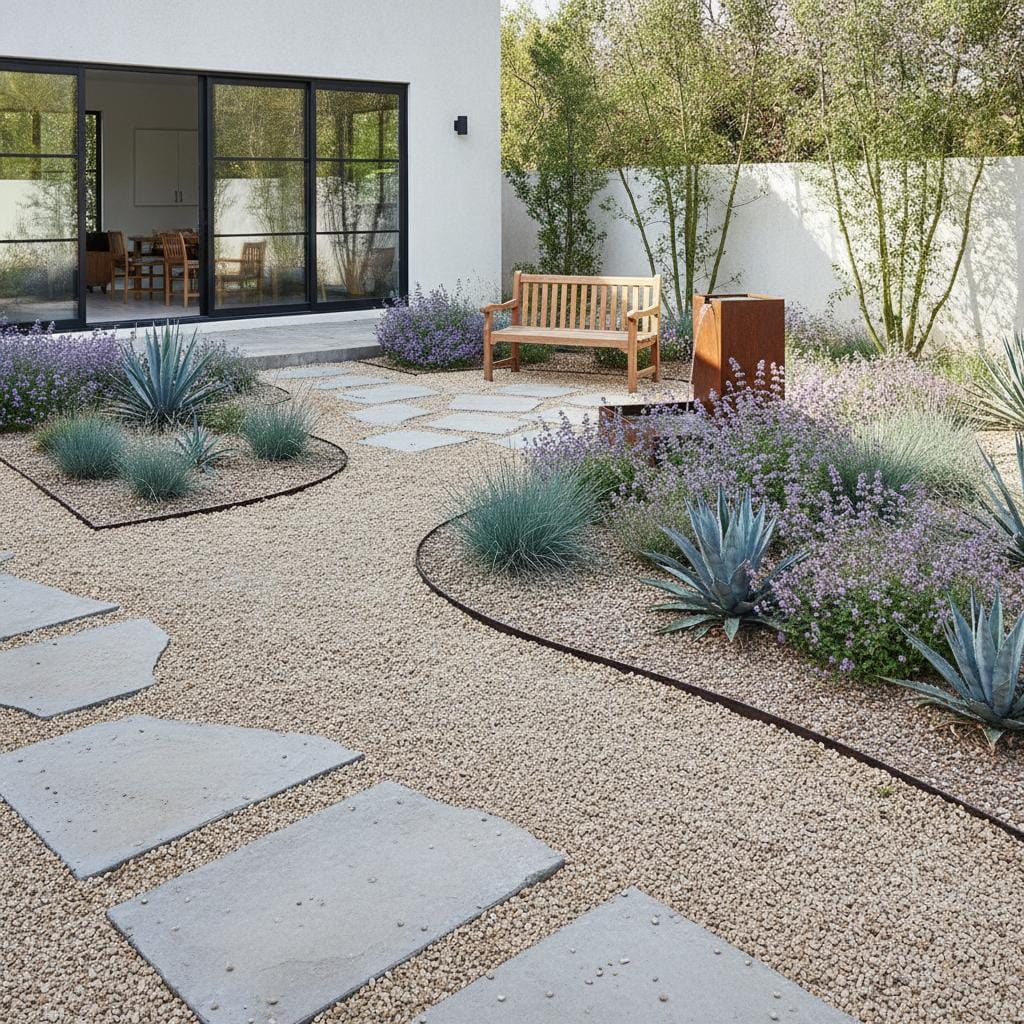
Decomposed granite pathways adapt to diverse motifs. For sleek gardens, combine golden or neutral tones with precise metal borders and sparse foliage to evoke geometric precision. In informal spaces, employ sinuous routes framed by organic rock or masonry for a fluid, naturalistic vibe. Incorporate DG alongside flagstones or tiles for added depth and pattern.
Strategic illumination enhances evening usability. Position low-wattage or solar-powered lamps along edges to ensure safe navigation and atmospheric glow. Slender DG trails also delineate planting zones or encircle lounging areas effectively.
Enhancing Landscape Longevity with DG
Selecting decomposed granite pathways fosters enduring outdoor functionality. This material not only withstands environmental stresses but also evolves subtly with the garden, promoting sustained beauty and accessibility. Implement these insights to cultivate pathways that enrich daily enjoyment and property value over time.