Decomposed Granite: The Low-Maintenance Patio Solution for 2026
Homeowners seeking a natural and inviting patio surface often overlook decomposed granite. This material combines aesthetic appeal with practical benefits, emerging as a top choice for outdoor spaces. It delivers a rustic texture that enhances any landscape while requiring minimal ongoing care.
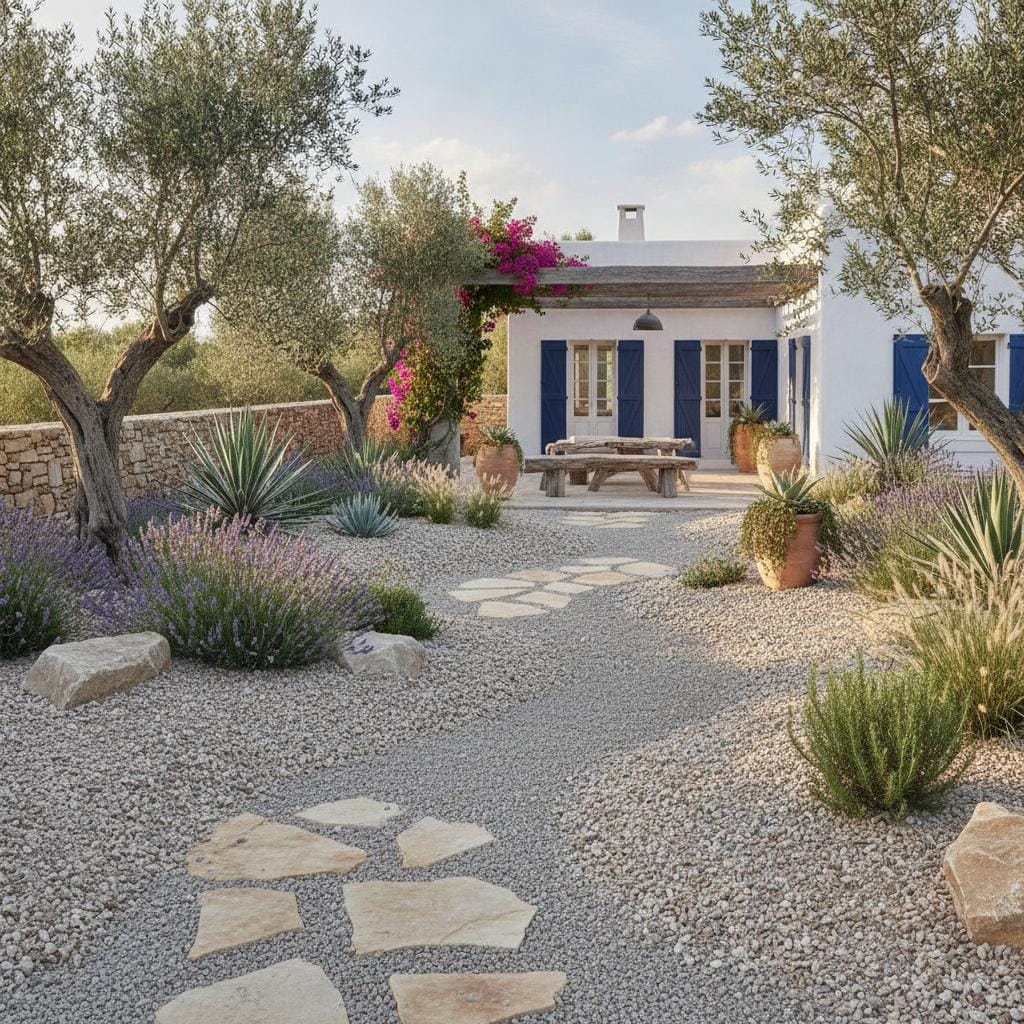
Decomposed granite, commonly abbreviated as DG, consists of weathered granite crushed into fine particles. When properly compacted, it forms a stable surface that permits excellent water drainage yet remains comfortable to walk upon. Professionals apply it to patios, pathways, driveways, and even as a foundational layer beneath pavers. The result is a warm, earthy appearance that complements both contemporary and classic home designs.
This comprehensive guide details the properties of decomposed granite, evaluates its performance as a patio material, examines associated costs, and outlines installation and maintenance procedures. Readers will gain the knowledge needed to determine if DG suits their property and how to implement it effectively.
Comparing Decomposed Granite to Traditional Patio Materials
Selecting the ideal patio surface involves weighing options such as concrete, pavers, and gravel against decomposed granite. Each material presents unique strengths and limitations, influencing decisions based on budget, durability, and style.
Concrete
Concrete provides exceptional strength and longevity for patios. However, it prone to cracking from soil shifts or temperature fluctuations, leading to expensive and labor-intensive repairs. Additionally, concrete absorbs and radiates heat, creating hot surfaces during summer months. In contrast, decomposed granite maintains a cooler temperature and offers a more organic feel.
Pavers
Pavers allow for diverse patterns, colors, and textures, enabling customized designs. Installation demands precision to avoid gaps where weeds proliferate or uneven settling that poses safety risks. Decomposed granite proves more economical and simpler to upkeep, although it lacks the structured formality of interlocking pavers.
Gravel
Gravel excels in drainage and ease of initial setup for casual outdoor areas. The loose stones, however, shift easily, resulting in an uneven and potentially hazardous walking surface. Decomposed granite achieves greater compaction for a firmer, smoother finish while preserving permeability for water flow.
Overall, decomposed granite captures the informal elegance of gravel minus the instability, alongside the resilience of concrete or pavers at a fraction of the expense and effort.
Step-by-Step Guide to Installing a Decomposed Granite Patio
A successful decomposed granite installation hinges on thorough site preparation and methodical layering. Follow these steps to create a durable patio over a weekend for average-sized projects.
-
Plan the Layout
Define the patio boundaries using stakes and string lines for accuracy. Calculate the required volume of DG by measuring the area and depth; suppliers advise purchasing 10 to 15 percent extra to compensate for compaction, which reduces volume by up to one-third. -
Excavate the Site
Clear vegetation, roots, and topsoil to a uniform depth of four to six inches. This depth accommodates the base layer and DG while promoting stability. Use a shovel or rented mini-excavator for efficiency on larger areas. -
Install the Base Layer
Distribute two to three inches of coarse crushed stone or road base across the excavated area. Employ a plate compactor to densify the base thoroughly, ensuring even coverage and optimal load-bearing capacity. -
Secure Edging
Position edging materials such as metal strips, plastic borders, bricks, or natural stone along the perimeter. Anchor them securely with stakes or adhesive to contain the DG and maintain clean edges over time. -
Layer and Compact the Decomposed Granite
Apply DG in lifts of one to one-and-a-half inches, wetting each layer lightly to aid compaction. Use the plate compactor after each addition, working in overlapping passes to eliminate voids and achieve a uniform density. -
Perform Final Compaction and Curing
After placing the top layer, moisten the surface evenly and compact it once more until it supports weight without deformation. Allow 24 to 48 hours of curing time before heavy use, avoiding foot traffic during this period.
For stabilized decomposed granite, which incorporates a binding agent for enhanced durability, mix the stabilizer uniformly with the DG prior to application. Maintain moisture during compaction as per product guidelines to activate the binder. Renting equipment like a compactor and wheelbarrow streamlines the process for DIY enthusiasts.
Weighing the Advantages and Drawbacks of Decomposed Granite
No patio material is without compromises, and understanding those of decomposed granite informs informed choices. The following outlines key pros and cons based on real-world applications.
Advantages
- Seamless Integration with Nature: Decomposed granite harmonizes with surrounding gardens, trees, and foliage for a cohesive landscape.
- Superior Permeability: Water infiltrates easily, minimizing pooling, erosion, and the need for additional drainage systems.
- Cost-Effectiveness: Material and labor expenses range from $1 to $3 per square foot, significantly below alternatives like stamped concrete.
- Minimal Upkeep: Refresh the surface annually with raking and a light topping of fresh DG to preserve appearance and function.
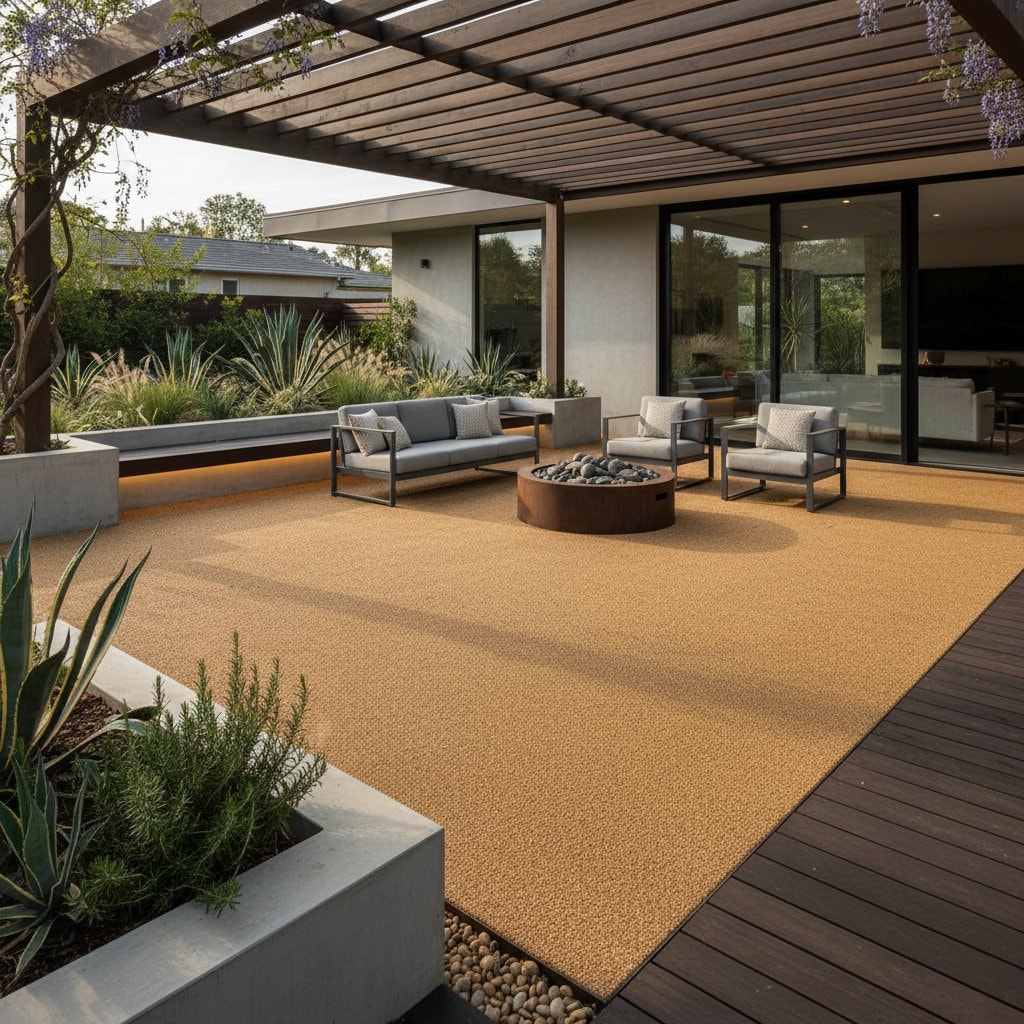
- Versatile Application: Adapt it to irregular shapes, integrate with features like fire pits, or combine with accents such as boulders or lighting.
Drawbacks
- Potential for Dust: In arid conditions, unstabilized DG generates fine particles; opt for stabilized variants or apply a dust suppressant.
- Material Migration: Foot traffic may displace some particles onto adjacent surfaces; robust edging and occasional sweeping mitigate this.
- Support for Heavy Items: Furniture legs might indent softer spots; place protective pads underneath or select a higher-compaction stabilized mix.
- Weed Intrusion: Without a weed barrier fabric beneath the base, opportunistic plants can emerge; install one during preparation for prevention.
- Color Evolution: Exposure to elements causes gradual fading or deepening; select UV-stabilized options for consistent tones.
These considerations pale against the material's overall convenience, particularly for those prioritizing sustainability and simplicity.
Environmental and Practical Advantages of Decomposed Granite
Decomposed granite stands out for its alignment with sustainable landscaping practices. As a naturally occurring resource, it avoids the carbon footprint of processed materials like concrete, which demands substantial energy in production and transport.
The permeable nature of DG facilitates groundwater replenishment by allowing rainfall to percolate through the surface. This feature complies with increasingly common municipal regulations on stormwater management and reduces urban heat island effects. Pair it with native plantings to further boost biodiversity and soil health.
Practically, DG resists common wear issues. It flexes with minor ground movements, avoiding the fractures seen in rigid surfaces. Repairs involve spot additions of material followed by compaction, extending the patio's lifespan to 10 years or more with basic care. In regions with heavy rain, its drainage prevents water damage to nearby structures.
Selecting Suppliers and Professionals for Decomposed Granite Projects
Quality begins with sourcing reliable decomposed granite. Seek suppliers offering screened material free of oversized chunks, ensuring a consistent fine texture. Request samples to verify color—options range from warm golds to cool grays—that matches your vision. For stabilized products, confirm the binder type, such as organic polymers, for environmental compatibility.
When engaging installers, review portfolios of past DG work to assess compaction quality and edging details. Inquire about warranties, typically one to two years, and their approach to site grading for optimal slope (one to two percent away from the house). Certified landscape professionals bring expertise in soil analysis to tailor the base layer accordingly.
DIY projects benefit from advance planning: order bulk delivery to avoid multiple trips, and schedule compactor rental for the installation day. Local garden centers often provide guidance on regional variants of DG suited to local climates.
Enhancing and Maintaining Your Decomposed Granite Patio
Once installed, a decomposed granite patio invites immediate enjoyment through simple enhancements. Incorporate weather-resistant furniture with wide bases for stability, or add solar-powered path lights to extend usability into evenings. Surround it with low-water plants like succulents or ornamental grasses to amplify the natural vibe.
Maintenance remains straightforward: inspect quarterly for low spots and replenish with matching DG as needed. In high-traffic zones, a yearly refresh—raking to redistribute particles and adding a thin layer—preserves the surface. Avoid pressure washing, which can disrupt compaction; gentle sweeping suffices for cleaning. With these practices, your patio will deliver years of reliable, attractive outdoor living.