Decomposed Granite Creates Low-Maintenance Luxury Patios
Many homeowners picture a beautiful patio for relaxation and entertaining yet hesitate due to concerns about upkeep and expense. Decomposed granite offers a practical solution that delivers natural elegance with minimal ongoing effort. This material forms a firm, well-draining surface that suits patios, paths, and garden areas.
What Decomposed Granite Is
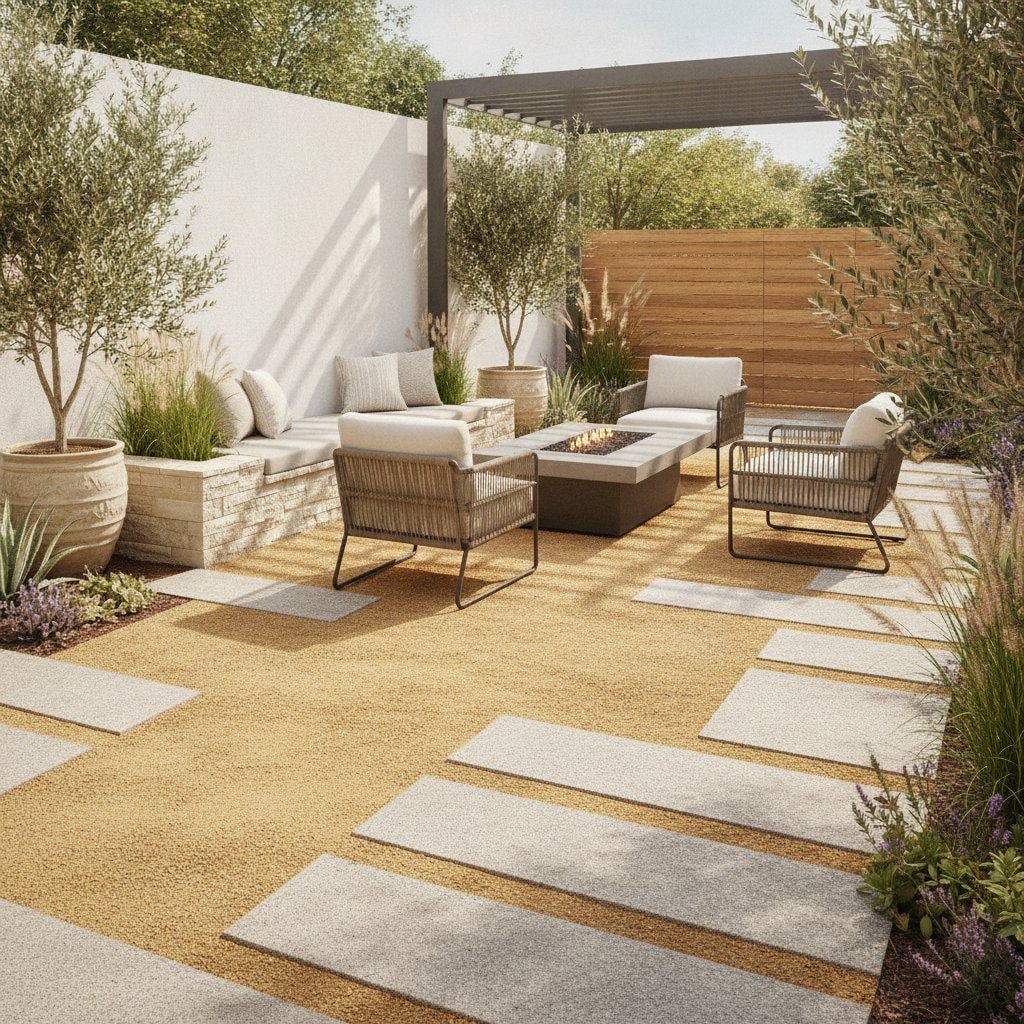
Decomposed granite consists of weathered granite particles available in earthy shades such as soft gold and deep gray. The material compacts into a stable layer that allows water to pass through and limits weed growth. Homeowners can select loose DG for a casual appearance or stabilized DG that contains a binder for added firmness and reduced dust.
Benefits for Patio Use
Homeowners select decomposed granite for its balance of cost, comfort, and appearance. The surface remains cooler than concrete during warm weather and integrates well with surrounding plants and stone features.
Key advantages include the following:
- Lower material cost compared with concrete or pavers while producing a refined result.
- Occasional raking and spot additions for upkeep rather than frequent repairs.
- Muted tones that complement gardens, rock features, and outdoor furnishings.
- Adaptability to both contemporary and traditional landscape styles.
- Permeable qualities that reduce water pooling after storms.
Evaluate Your Site Conditions
Observe foot traffic patterns, drainage spots, sun exposure, and slope before starting. Note areas where water collects and decide whether the patio will serve quiet seating or active dining. These details guide base preparation and compaction needs.
Prepare a Stable Base
Mark the patio outline with stakes and string, then remove vegetation and excavate several inches. Install a layer of crushed stone or gravel for drainage and stability. Secure metal, stone, or wood edging along the perimeter to contain the granite and protect adjacent lawn or beds. Compact the base thoroughly before adding decomposed granite in thin layers, moistening and tamping each layer.
Install the Surface
Spread the material evenly and use a hand tamper or plate compactor to achieve firmness. Apply light water misting between passes to help the particles settle. For stabilized DG, follow manufacturer mixing and compaction instructions to create a smoother, more durable finish suitable for regular use.
Maintain the Patio Over Time
Rake the surface periodically to restore smoothness. After heavy rain or concentrated use, add fresh material to any low spots, moisten, and compact again. Sweep leaves and debris every few weeks to preserve appearance. A properly compacted installation minimizes weeds; any that appear can be removed by hand or prevented with an optional weed barrier placed during construction.
Furnish and Integrate the Space
Position seating, tables, and planters to match intended use. Add string lights or lanterns for evening comfort. Raised beds and native plantings pair naturally with the muted granite tones, while outdoor rugs in complementary colors provide softness underfoot.
Manage Project Costs
Decomposed granite itself carries a modest price, and many homeowners complete installation without professional labor. Begin with a modest seating area and expand as needed. Stabilized mixes or decorative edging can be added later for a more finished look without large budget increases.
Enjoy the Settled Landscape
After installation the patio blends into the yard as colors shift subtly with weather and light. Routine care keeps the surface functional and attractive, supporting outdoor activities throughout the seasons.