Why Dark Sky Lights Transform Outdoor Spaces
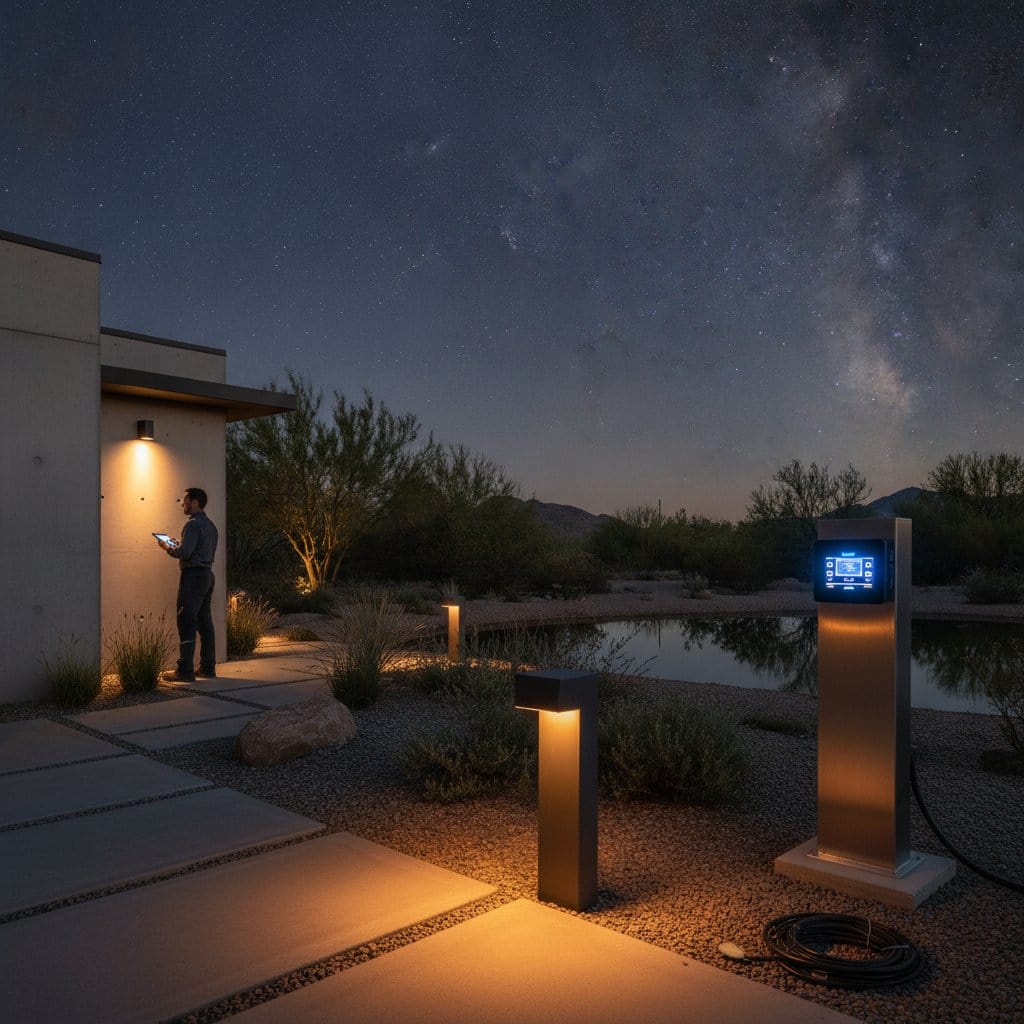
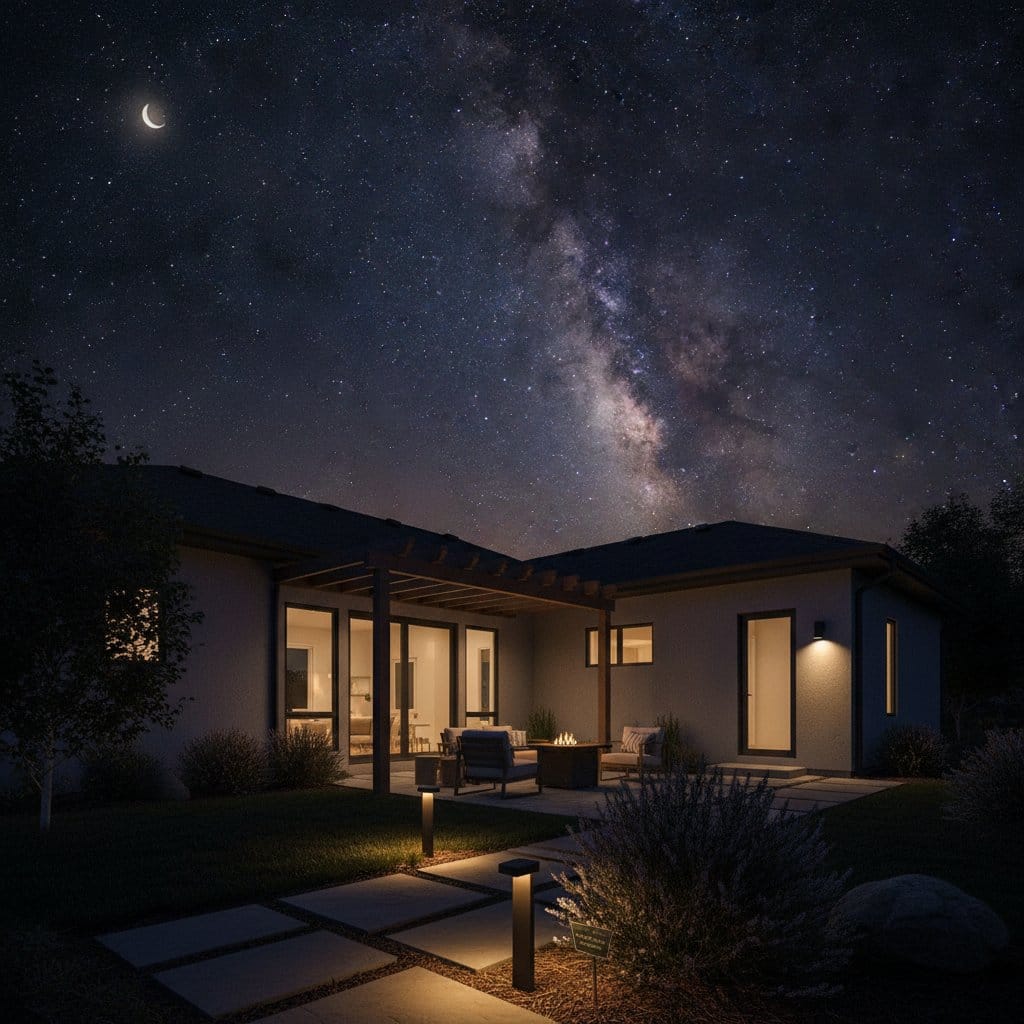
Homeowners often notice a subtle disconnection at night. The stars that once defined the evening sky appear dimmed by artificial glow. Harsh porch lights can create discomfort rather than security. Dark sky lights address these issues by restoring natural darkness, enhancing safety, and promoting energy efficiency.
This approach balances illumination with environmental respect. Property owners achieve inviting atmospheres without excess brightness. The result supports both personal enjoyment and ecological health.
Understanding Dark Sky Principles
Dark sky lighting follows a core principle: direct illumination precisely where needed. Conventional outdoor fixtures scatter light upward and sideways, producing glare and energy loss. Dark sky compliant designs feature shields that focus beams downward, minimizing spill.
Such targeted lighting softens landscapes. Walkways receive even glow without overwhelming surroundings. Garden elements gain definition through subtle highlights. The night sky reemerges, allowing stargazing from familiar spaces.
Assess Existing Lighting Setup
Begin evaluation with an evening inspection of the property. Walk slowly to identify overly intense areas or shadowy hazards. Note positions where light intrudes on eyes or adjacent properties.
Consider these specific checks:
- Identify fixtures casting beams into windows or skies.
- Observe reflections on walls, driveways, or fences.
- Evaluate zones with poor visibility due to uneven distribution.
Temporarily disable select lights to gauge the impact. This reveals opportunities for reduced intensity that heightens ambiance.
Develop a Purposeful Lighting Plan
After assessment, define the desired nighttime experience. Assign roles to each fixture for efficiency. Prioritize safety in high-traffic zones while accentuating architectural or natural features.
Focus initial efforts on pathways and entry points. Install low-voltage LED path lights spaced 4 to 6 feet apart for uniform coverage. For accents, position uplights under trees or along borders, using 2700K color temperature bulbs to replicate moonlight.
Employ layering for depth. Bollards outline borders at ground level. Wall-mounted lanterns illuminate facades without upward spill. This method ensures cohesive, serene illumination.
Implement Lighting Upgrades
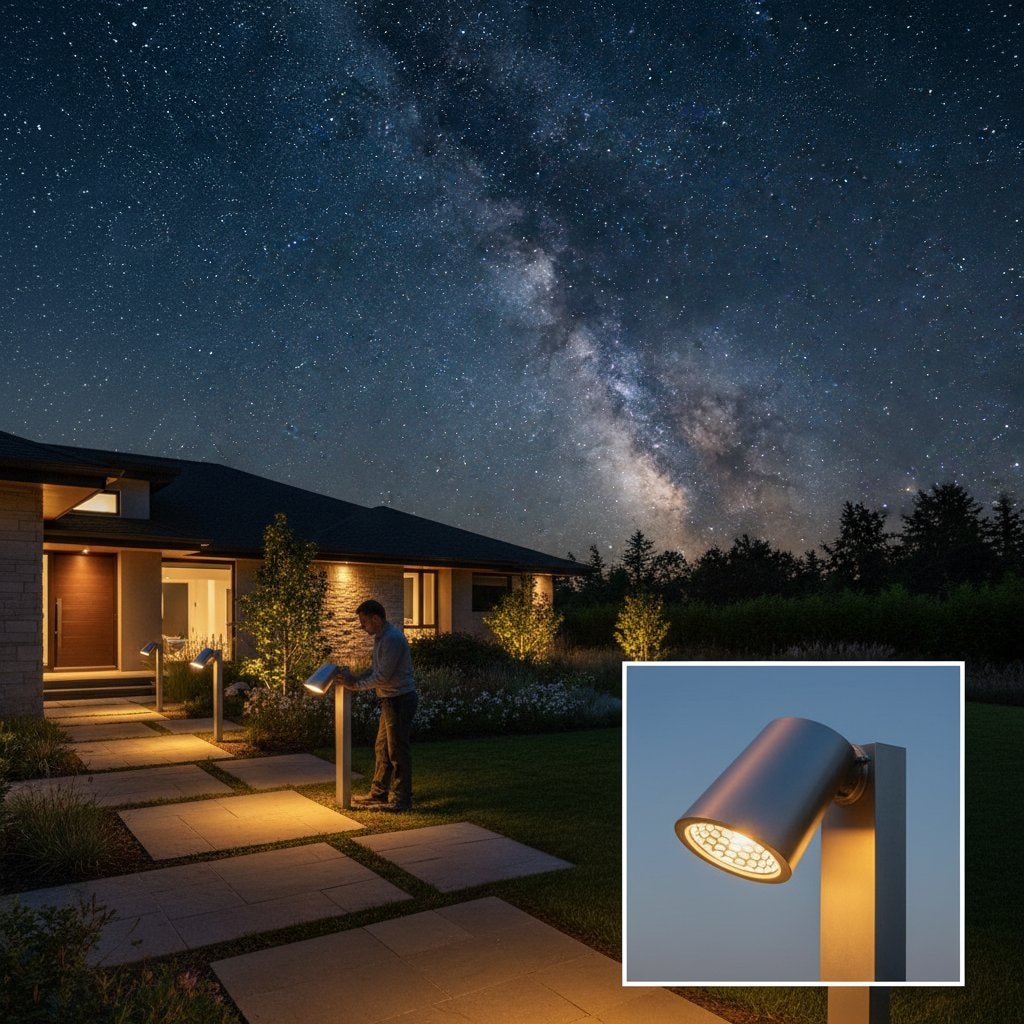
Select replacements certified as dark sky compliant by organizations like the International Dark-Sky Association. These products incorporate full cut-off shields and precise optics to contain light.
Follow these implementation steps:
- Substitute broad floodlights with adjustable spotlights angled 10 to 30 degrees downward.
- Opt for 3000K or warmer LEDs to reduce eye strain and preserve foliage colors.
- Integrate photocell timers or PIR motion detectors to activate lights only during occupancy.
- Incorporate rheostat dimmers on circuits for adjustable output from 10 to 100 percent.
These modifications yield immediate improvements. Patios transform into relaxed retreats under controlled light, fostering extended outdoor time.
Maintain Lighting Effectiveness
Regular upkeep preserves the system's performance. Seasonal growth and weather alter light patterns over time. Schedule quarterly reviews to address these shifts.
Clean fixture lenses with a soft cloth and mild solution to prevent diffusion. Prune overhanging branches that obstruct beams. Replace bulbs if output exceeds 50 lumens per square foot in key areas.
Adjustments like adding baffles to overly bright units sustain the design intent. This routine fosters attentiveness to environmental cues, enhancing overall space harmony.
Broader Impacts of Dark Sky Practices
Adopting dark sky methods extends benefits beyond aesthetics. Light pollution from unshielded sources obscures constellations and disturbs nocturnal species. Controlled lighting preserves habitats for birds, bats, and insects reliant on natural cycles.
Homeowners gain practical advantages as well. Reduced glare improves contrast for better navigation. Energy consumption drops by up to 50 percent with efficient fixtures. Property values rise through enhanced curb appeal and sustainability.
Select Fixtures That Complement Design
Prioritize both utility and style in fixture choices. Dark sky options span contemporary die-cast aluminum models to traditional copper lanterns, all with downward-facing shields.
Match selections to architectural elements. For Craftsman homes, choose hammered finishes in oil-rubbed bronze. Modern structures suit matte black or brushed stainless steel. Ensure IP65 ratings for weather resistance in exposed locations.
Integrate smart controls for seamless operation. Wi-Fi enabled systems allow remote adjustments via apps, optimizing for events or daily use.
Observe Garden Responses to Changes
Intentional lighting influences plant vitality. Certain species flourish with limited night exposure, yielding denser foliage and vibrant flowers. Beneficial insects, including nocturnal pollinators, increase in activity.
Monitor these effects post-installation. Allow 15 to 20 minutes for dark adaptation to appreciate nuances. The garden assumes a more organic presence, blending seamlessly with the restored night.
Cultivate Lasting Nighttime Harmony
Implementing dark sky lighting reconnects properties with natural darkness. This practice evolves through observation and tweaks aligned with seasonal variations.
Track effectiveness by noting star visibility and energy usage. Refine placements to amplify desired effects. The outcome creates enduring spaces that honor both human needs and ecological balance.