Elevate Your Yard with Moss and Fern Living Walls
A breathing wall offers profound calm. A once rigid surface transforms into a verdant tapestry, gentle on the eyes and restorative to the mind. The initial encounter with a moss wall at a garden café revealed not mere innovation, but inherent harmony. It integrated seamlessly, as though the structure had adopted a natural veneer to temper its form. This observation reshaped perspectives on vertical gardening, particularly when incorporating moss and ferns.
The Appeal of Living Walls
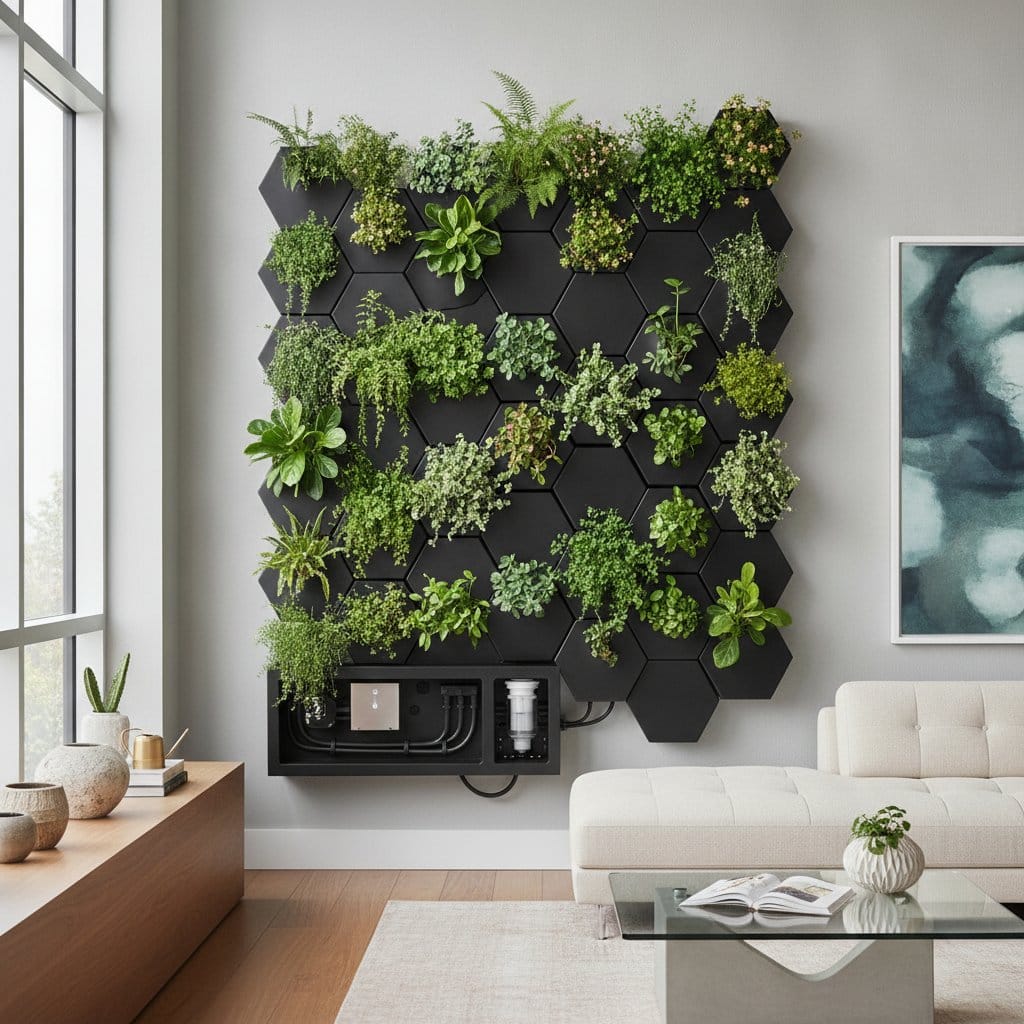
Living walls extend beyond ornamentation. They draw nature into confined or formal areas. Traditional gardens expand horizontally, yet living walls ascend vertically, maximizing space with layers and dimension. Moss and ferns excel in this format. These plants flourish in dim, humid environments typical of fences, courtyard barriers, or north-facing home exteriors.
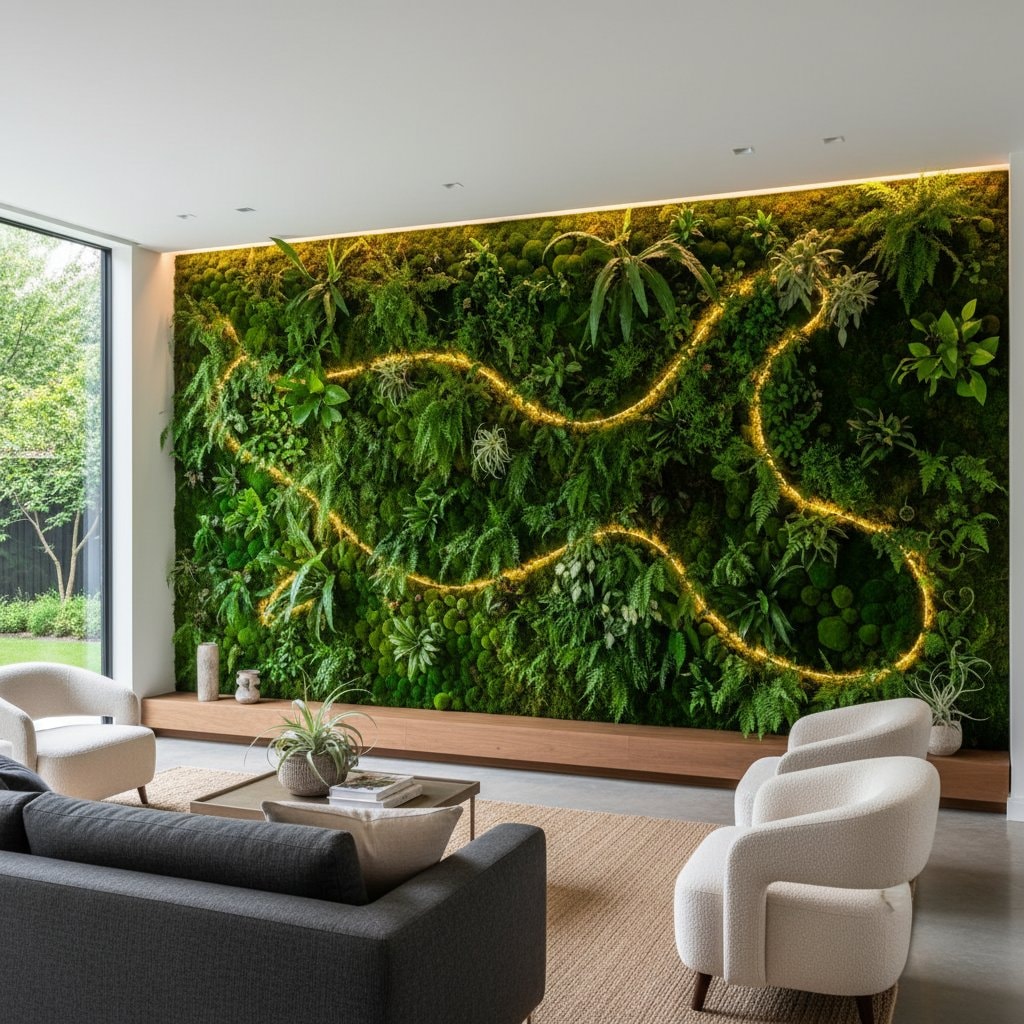
Flowering species require vigilant care, but moss and ferns deliver understated elegance. Their allure resides in restraint. Moss provides a plush texture that shimmers post-rainfall. Ferns contribute lacy foliage that sways subtly in breezes. Combined, they form a dynamic facade evoking timeless vitality.
Establishing a Solid Base
A moss and fern wall thrives on a reliable framework. Homeowners may secure panels to current surfaces or opt for independent structures that simplify upkeep. Both methods succeed provided drainage functions effectively and the support retains hydration without excess retention.
For moss, select panels that distribute moisture uniformly. Moss draws water via its foliage, relying on stable humidity over substantial soil. Ferns demand greater root volume. Blend sphagnum moss with aerated potting mix to secure roots while permitting swift drainage. Replicate the damp, shaded habitats of woodland barriers or streamside rocks.
Choosing Distinctive Plants
Moss and fern varieties differ in growth habits. Cushion moss builds compact cushions, whereas sheet moss extends into uniform mats. Fern options span from slender maidenhair to robust bird's nest or sword varieties. Evaluate mature size and form to anticipate visual impact.
Effective designs blend variety with consistency. Employ one or two moss types for the foundation, then add ferns for elevation and motion. Excess diversity risks clutter; recurring motifs foster cohesion. Approach composition as an artistic endeavor, seeking visual cadence and equilibrium.
Maintaining Your Living Wall
Moss and ferns reward light touch over intensive labor. They favor diffused light, reliable dampness, and gentle circulation. Install a misting apparatus or spray manually to sustain humidity. Excess water invites decay, so maintain a moist rather than saturated feel.
Established moss densifies with little intervention and recovers from drought. Ferns naturally drop aged fronds to spur fresh development. Prune spent foliage to preserve neatness and promote vigor. Inspect periodically for overcrowding that impedes ventilation, particularly in expansive setups.
- Monitor moisture daily during establishment, reducing to weekly once rooted.
- Use room-temperature water to avoid shocking delicate tissues.
- Apply diluted organic fertilizer sparingly in spring to support growth without overload.
Adapting to Diverse Spaces
Moss and fern walls suit varied outdoor contexts. On patios, they act as verdant dividers, muffling sounds and fostering intimacy. Beside paths, they elevate sightlines, converting stark edges into organic panels. In dim garden nooks, they emerge as intriguing highlights.
For rustic aesthetics, combine with raw stone or aged timber. Neutral hues amplify the foliage and ensure seamless flow. In contemporary settings, pair with polished metal or plaster to position greenery as intentional sculpture. Integration ensures the wall enhances rather than dominates its surroundings.
Promoting Eco-Friendly Expansion
Moss and fern walls blend aesthetics with ecology. They filter pollutants, balance humidity, and shelter beneficial wildlife. Low-light needs and sparse feeding minimize resource demands compared to showy alternatives. Prioritize regional natives for effortless adaptation and biodiversity support.
Begin modestly if inexperienced. A lone panel tests plant responses to site conditions. Observe and adjust before scaling up. This method cultivates attentiveness and collaboration with the surroundings.
Embracing Seasonal Evolution
Moss and fern walls shift gradually across seasons. Hydration varies, patterns advance, and surfaces enrich. Such gradual change defines their allure. It underscores that gardens, including upright ones, represent ongoing vitality over fixed displays.
Observe interactions closely. Morning light dances on fronds, rain refreshes the expanse, and calm days highlight tranquil poise. Construction involves attuning to the locale, selecting compatible elements, and fostering a vibrant entity.