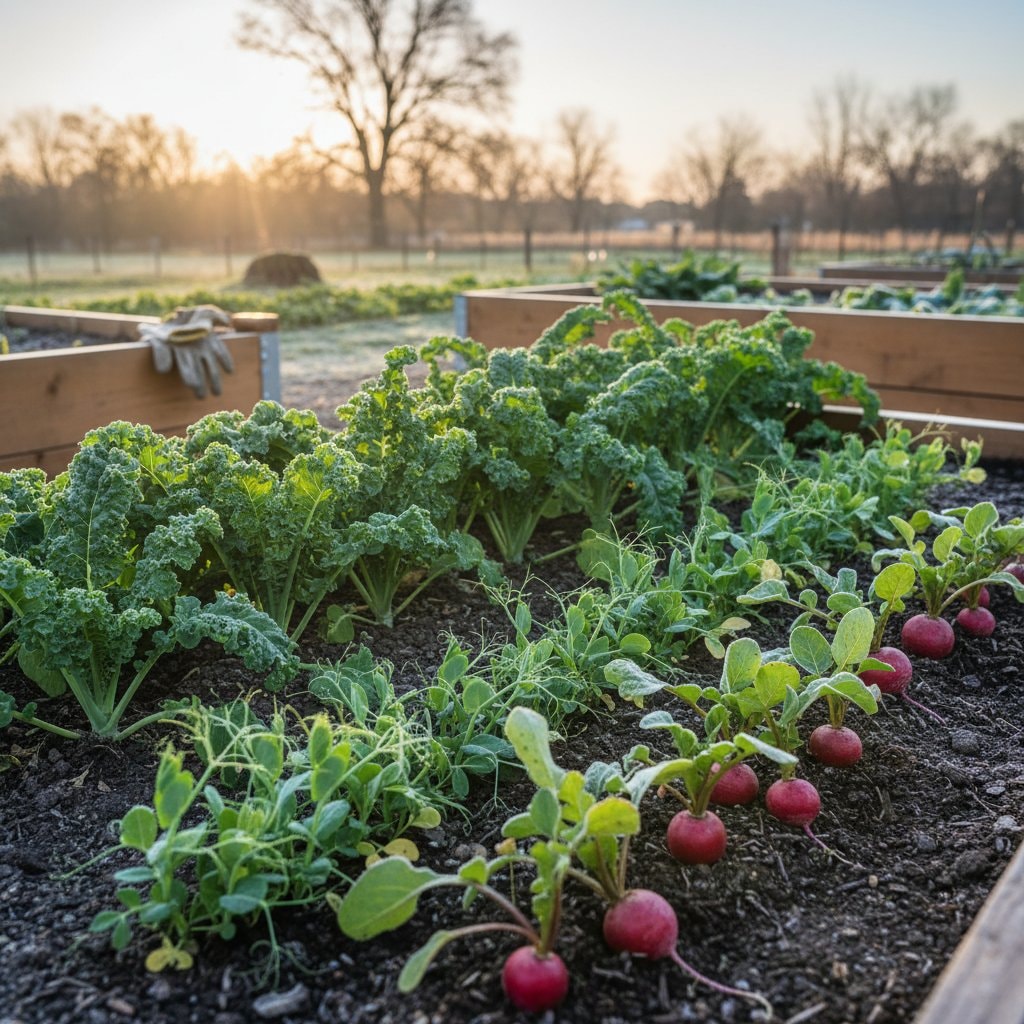
Extend Your Growing Season: Cold-Hardy Vegetables for Early Spring
Gardeners often experience impatience as winter persists. The ground remains dormant, garden beds stay empty, and equipment sits unused. Yet the urge to plant emerges well before the last frost departs. Fortunately, select vegetables possess remarkable resilience. With proper preparation, individuals can initiate a spring garden amid lingering cold. These cold-hardy varieties serve as reliable allies during transitional weather, connecting winter dormancy to spring vitality.
Key Characteristics of Cold-Hardy Vegetables
Cold-hardy vegetables flourish in low temperatures and withstand light frosts while preserving taste and vitality. They mark the onset of spring and persist into fall. These plants feature adaptations such as energy reserves in roots or foliage that resists freezing.
Their value extends beyond durability; they prolong the overall gardening period. Early sowing yields fresh greens, roots, and stems when warmer-season plants remain dormant. Success depends on selecting appropriate cultivars and providing consistent initial support.
Benefits of Early-Season Planting
Initiating plantings while traces of snow linger may appear bold, yet it establishes a rewarding routine. Cold-hardy vegetables respond well to precise timing and foster skills in environmental assessment, such as evaluating soil readiness and sunlight patterns.
This approach generates subtle anticipation. Every seed represents an assurance of approaching warmth. Initial emergents piercing moist earth offer modest triumphs, bolstering resolve after extended indoor confinement.
Recommended Cold-Hardy Vegetables for Early Spring
Certain vegetables endure cold more effectively than others. Some even enhance flavor following mild frost exposure. The following selections provide dependable options for launching an early spring garden.
1. Kale
Kale emerges as a premier resilient green. Its foliage stays supple and flavorful post-frost. Both curly and flat-leaved types perform in chilled soil. After rooting, kale yields continuously for several weeks, supplying leaves ideal for salads or quick cooking.
2. Spinach
Spinach sprouts reliably in cool settings and advances rapidly with lengthening days. It requires even watering and gains from mulch application to maintain soil dampness. Removing exterior leaves first promotes central regrowth.
3. Lettuce
Varieties like loose-leaf and romaine tolerate spring's coolness beyond common expectations. Sow seeds directly or initiate indoors before early transplanting. Opt for strains developed for low temperatures to optimize outcomes.
4. Peas
Pea vines climbing supports evoke optimism as winter recedes. Peas favor moist, cool earth and avoid high heat, suiting them for initial sowings. Experiment with snap and shelling forms for diversity.
5. Carrots
Carrot seeds challenge germination in frigid soil, but established plants progress steadily. Roots sweeten after frosts, as the plant transforms starches into protective sugars. Regular irrigation ensures uniform development.
6. Radishes
Radishes deliver swift gratification for eager gardeners. They reach maturity in cool conditions within weeks. Their firm texture and sharp zest enhance spring dishes.
7. Onions and Leeks
Onion sets or leek transplants manage cold evenings effectively and root promptly. They advance gradually, complementing quicker companions such as radishes.
8. Broccoli and Cabbage
These brassica family members thrive in moderate chill and suit indoor starts followed by outdoor relocation once soil softens. They demand nutrient-rich ground and reliable moisture. Careful tending produces firm heads that store adequately in the plot.
Soil Preparation for Early Planting
Pause before sowing to ready the ground. Even resilient vegetables require a suitable foundation. Test soil workability by squeezing a handful; if it breaks apart readily, proceed. If it forms dense balls, allow further drying to prevent compaction that impedes roots.
Clear surface litter, incorporate compost, and blend in vegetable-appropriate fertilizer. Organic amendments preserve hydration and gradually elevate soil warmth. Elevated beds or permeable sites heat quicker than sunken or dense zones. Drape black plastic sheeting over areas for days to capture solar heat and boost germination temperatures.
Optimal Timing and Safeguards
Precise scheduling proves essential for cold-hardy vegetables, though exactitude remains flexible. Sow when earth becomes tillable and severe freezes diminish. Light frost poses no threat, but fledgling plants gain from safeguards during intense cold snaps.
Effective methods include:
- Row covers that capture heat and block wind from delicate shoots.
- Cold frames functioning as compact greenhouses to lengthen the viable period by weeks.
- Mulch layers that conserve water and buffer roots from abrupt chills.
Such measures enhance garden durability, maximizing plant success amid variable conditions.
Integrating Early Crops into Garden Layouts
Cold-hardy vegetables extend beyond rigid rows. Interplanting with herbs, perennials, or decorative elements combines aesthetics and utility. Lettuce's gentle hues or kale's muted tones revitalize inactive beds prior to floral displays.
Favor irregular motifs over linear arrangements. Diverse textures and colors yield appealing vistas while boosting output. Group spinach patches or intersperse radish and carrot rows to foster cohesion and flow.
Ongoing Care Through Cool Weather
Early gardening calls for measured vigilance. Conditions evolve swiftly, revealing growth indicators weekly. Monitor plant reactions; wilting in midday sun followed by evening recovery signals hydration needs. Stagnant progress may warrant diluted compost application.
These routine observations attune individuals to seasonal cycles. Cool-weather cultivation moderates activity and heightens perception. Time invested with emerging plants imparts equilibrium, discerning intervention moments from natural progression.
Harvesting and Succession Strategies
Cold-hardy vegetables frequently exceed expectations in productivity. Regular harvesting sustains vitality. Select peripheral foliage or thin seedlings to maintain activity. Sow in intervals, planting modest quantities biweekly, to secure steady supplies.
As temperatures rise, transition to heat-loving successors. Replace peas with beans, lettuce with tomatoes, and spinach with peppers. The initial phase lays groundwork for subsequent plenty.
Steps to Start Your Early Garden
Novices should commence modestly, selecting two or three varieties to evaluate performance. Record details on sowing dates, soil states, and yields. Annual experiences refine techniques.
Emerging greens amid residual frost reaffirm gardening's profound appeal. Life persists subtly through harsh periods, awaiting gentle guidance to flourish.