Edible Hedges: Versatile Borders That Deliver Fresh Harvests
An edible hedge serves as more than a simple boundary; it integrates functionality with landscape design. These living screens provide privacy and structural definition while yielding fruits, herbs, or nuts for culinary use. Property owners appreciate how such hedges adapt to various styles, from structured rows to informal drifts, enhancing both form and utility through thoughtful selection and care.
Defining an Edible Hedge
Edible hedges incorporate plants that fulfill dual roles in the garden. They establish clear divisions akin to conventional hedges, yet they also generate consumable elements such as berries, foliage, seeds, or blooms. This approach maximizes space by transforming ornamental features into productive assets.
Suitable candidates for edible hedges encompass a range of options tailored to different conditions:
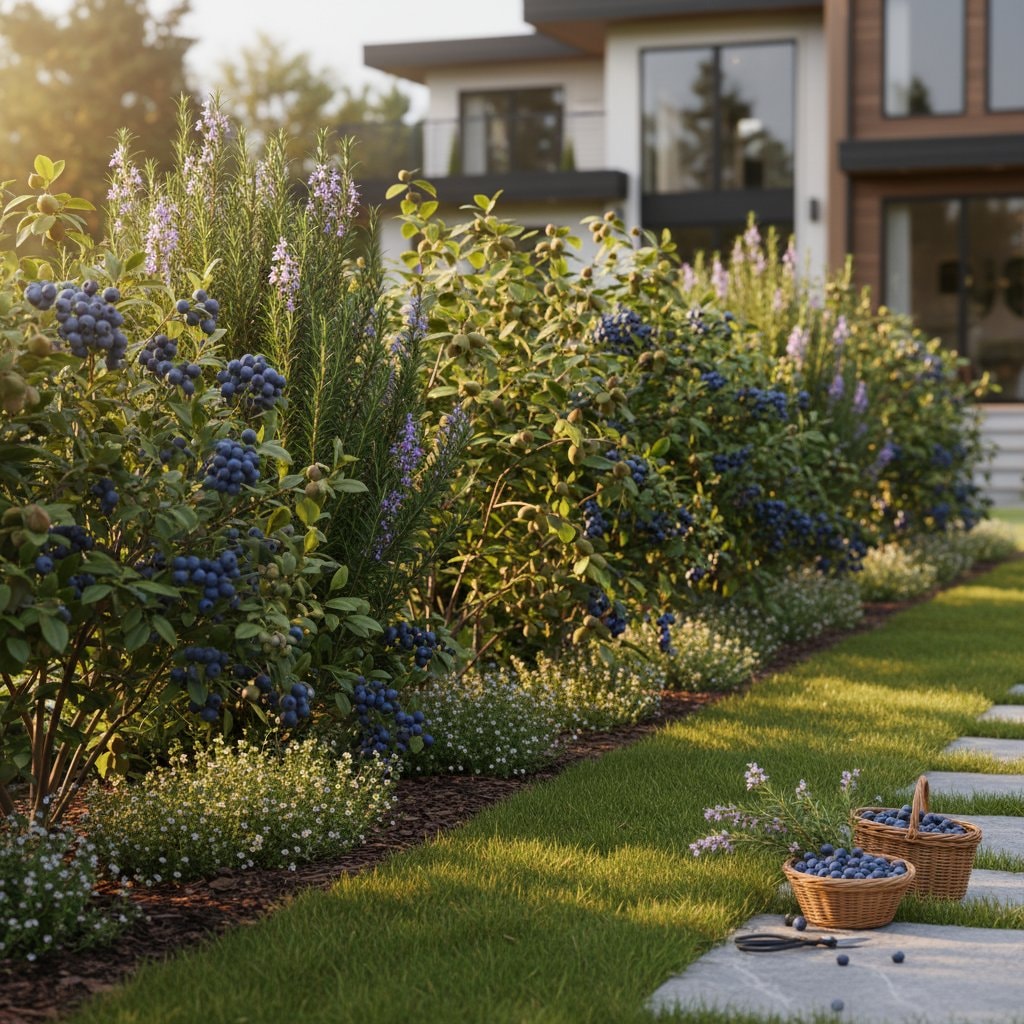
- Blueberries, which form vibrant, compact barriers with acidic soil requirements
- Currants, adaptable to partial shade and yielding tangy summer berries
- Raspberries, ideal for rapid establishment and prolific fruit production
- Gooseberries, suited to confined areas and temperate climates
- Rugosa roses, providing vitamin-packed hips alongside thorny deterrence
- Hazelnuts, suitable for robust, elevated screens in larger settings
- Herbs including rosemary and lavender, contributing fragrance and flavor for ongoing harvest
Growth patterns vary among these selections, with some demanding full sunlight and fertile loam, others tolerating dappled light. Evaluate mature dimensions, including height and width, to align with site constraints before committing to purchases.
Strategies for Planning Your Edible Hedge
Begin the process by clarifying the hedge's primary function, whether for seclusion, demarcation, wind protection, or ornamental enhancement. This determination influences plant choices and density. Consider local climate zones and soil tests to ensure compatibility.
Follow these steps to develop a cohesive plan:
-
Survey and measure the intended site, noting sun exposure, soil drainage, and proximity to structures.
-
Select desired stature: Opt for under three feet for edging pathways or beds; choose five to eight feet for effective screening along fences or property edges.
-
Match plants to environmental factors, such as blueberries in pH 4.5 to 5.5 soils or hazelnuts in neutral to alkaline conditions with good drainage.
-
Incorporate diverse cultivars for staggered ripening and aesthetic variety, blending early-season currants with late-bearing raspberries.
-
Determine spacing based on mature spread, typically two to four feet apart; closer intervals promote quicker enclosure but demand vigilant monitoring for competition.
Sketch a layout on paper or use garden software to visualize the arrangement, accounting for access paths for harvesting and maintenance.
Techniques for Planting and Root Establishment
Timing plays a crucial role in successful planting; aim for spring or autumn when soil temperatures support root development without summer heat stress or winter freezes. Prepare the site by excavating a continuous trench twice the width of the root balls and incorporating aged compost to enrich the substrate.
Position plants at the same depth they occupied in containers, firming soil around roots to eliminate air pockets. Irrigate thoroughly immediately after placement to settle the medium. Apply a two- to three-inch mulch layer of organic material, such as shredded bark or straw, extending to the drip line but maintaining clearance from stems to avert fungal issues.
Sustain consistent moisture during the initial growing season, providing one inch of water weekly if rainfall proves insufficient. As roots anchor, transition to deeper, less frequent watering to foster resilience. Initial pruning focuses on removing damaged branches, allowing the hedge to prioritize establishment over immediate yields.
Evaluating Costs and Effort Involved
Budgeting for an edible hedge involves assessing plant sourcing and scale. Bare-root specimens offer affordability at five to fifteen dollars per unit, whereas established potted shrubs range from twenty to fifty dollars. For a fifty-foot linear hedge, anticipate expenditures of two hundred to six hundred dollars, favoring economical bare-root options for extensive runs.
Installation demands a full day or weekend for a typical homeowner, encompassing site preparation and planting. Ongoing tasks include annual pruning sessions, spring applications of balanced fertilizer, and seasonal harvesting. Select resilient varieties like compact blueberries or evergreen rosemary to minimize intervention; vigorous types such as raspberries require trellising and frequent tidying to control sprawl.
Benefits and Challenges of Edible Hedges
Edible hedges present compelling advantages for gardeners seeking multifunctional landscapes.
Advantages:
- Seasonal transformations that evolve from spring blossoms to autumn foliage and fruit
- Reliable sources of homegrown produce, offsetting expenses on specialty items
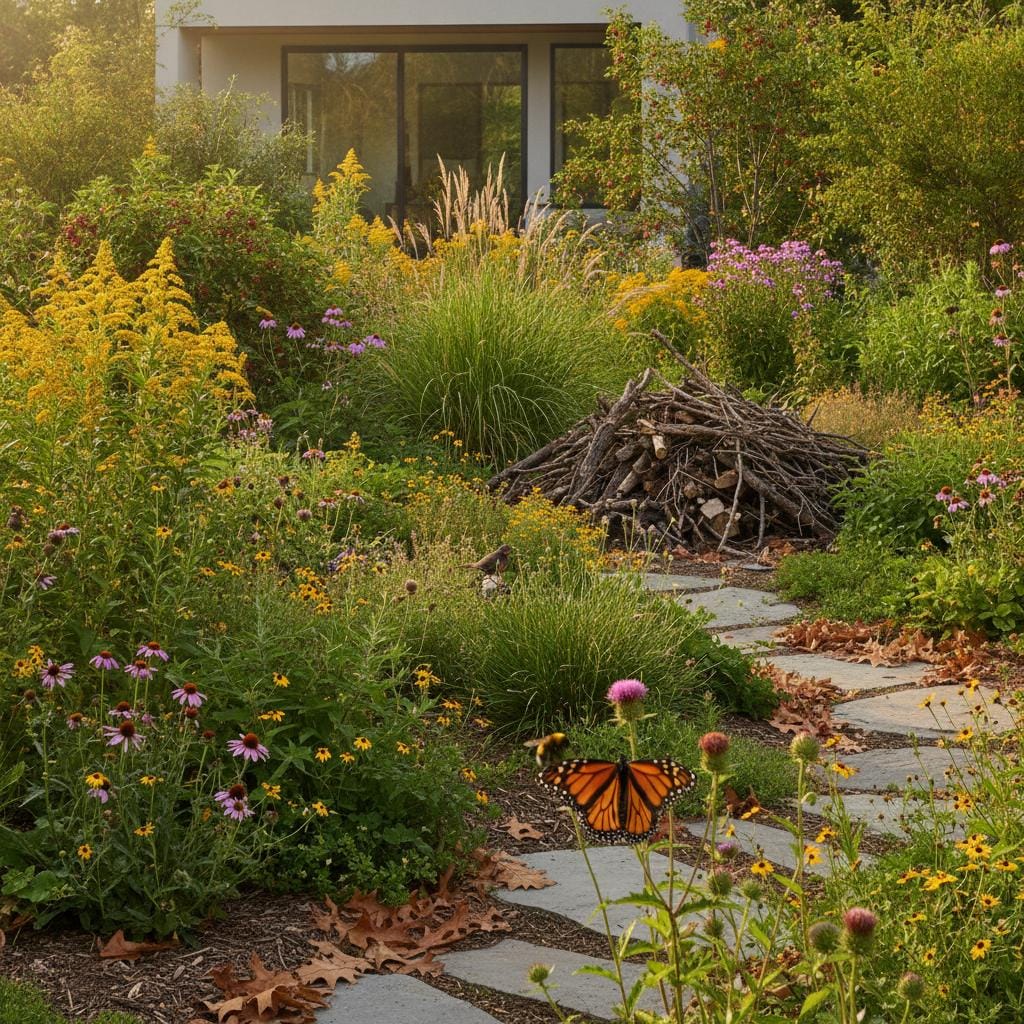
- Support for biodiversity, attracting beneficial insects and avian visitors
- Enhanced property value through integrated food production
Challenges:
- Gradual maturation, often requiring two to three years for full density
- Demands on time for shaping, picking, and pest management
- Potential for prickly elements or wildlife draw that necessitate barriers
- Fluctuating outputs influenced by weather and pollination
Mitigate drawbacks by interplanting with non-edible companions for hybrid vigor and reduced maintenance.
Tailored Designs for Varied Landscapes
Adapt edible hedges to complement specific garden aesthetics and scales.
-
In formal settings, deploy uniform rows of dwarf blueberries interspersed with low-growing rosemary, maintaining crisp geometry through regular shearing.
-
For cottage-style plots, mingle gooseberries, heritage raspberries, and rugosa roses to evoke a wild, abundant charm; permit moderate overgrowth for layered textures.
-
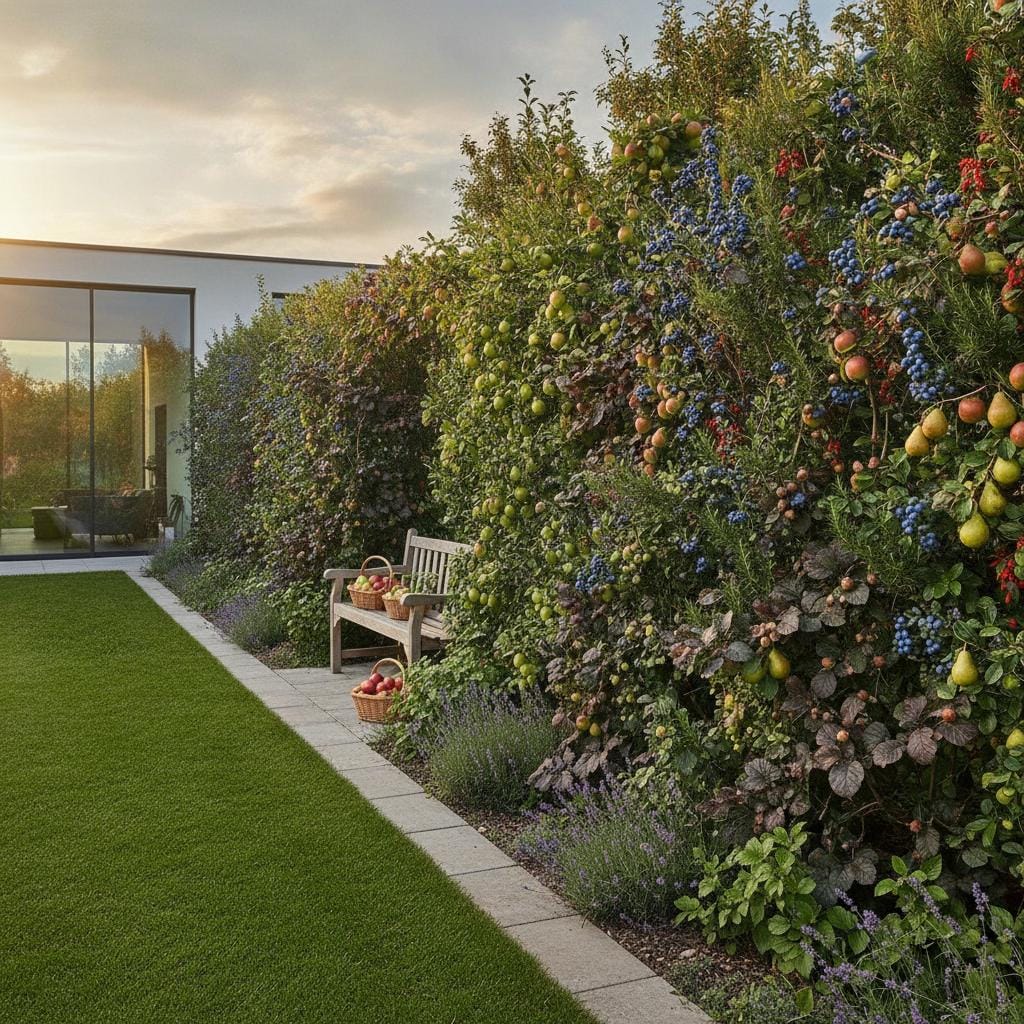
Contemporary spaces benefit from monochromatic lines of lavender or espaliered currants against clean lines, emphasizing minimalism with subtle color pops.
-
expansive estates suit towering hazelnut or elderberry plantations for substantial privacy, incorporating understory herbs for added productivity.
Compact urban yards accommodate vertical solutions, such as trained fruiting shrubs on trellises, maximizing output without footprint expansion.
Sustaining Long-Term Health and Productivity
Annual routines ensure vigor and yield consistency. Conduct pruning in dormant periods, targeting one-third of older canes on bramble fruits and thinning crowded interiors on nut producers to promote airflow and light penetration.
Apply organic amendments like compost in early spring, targeting a rate of two pounds per ten feet of hedge. Monitor for common threats, including aphid infestations on soft growth; deploy neem oil dilutions or insecticidal soaps at the first signs. Protect ripening crops with fine-mesh netting to deter birds while permitting pollinator access.
Refresh the planting periodically by replacing declining specimens with vigorous propagations, preserving uniformity and health. Track performance through a garden journal to refine care based on observed patterns.
Realizing the Full Potential of Your Edible Border
An edible hedge bridges outdoor aesthetics with everyday sustenance, fostering a seamless connection between garden and table. Strategic selections and diligent upkeep yield a dynamic feature that sustains visual appeal across seasons while delivering tangible rewards. Embrace this approach to cultivate a space that not only delineates but also delights through its generous, ongoing contributions.