Understanding Light's Role in Outdoor Spaces
Homeowners often notice that nighttime lighting in the yard can feel intrusive rather than soothing. Harsh beams may create glare or spill upward, obscuring the natural beauty of the stars. The challenge lies in achieving a welcoming glow that enhances safety and enjoyment without contributing to light pollution.
Effective outdoor lighting directs illumination precisely where needed, preserving the night's tranquility. This approach allows the garden to come alive after dusk while maintaining a dark sky overhead. By focusing on fixture design and placement, individuals can foster an environment that harmonizes human needs with natural rhythms.
Evaluating Existing Lighting Setup
Begin the process by inspecting the yard during evening hours. Observe areas where light appears excessively bright or insufficiently targeted. Identify sources of glare that cause discomfort and note shadows that hinder navigation.
Turn off all outdoor lights initially, then activate them individually to assess contributions. Check for light escaping above the fixture or crossing property boundaries, which indicates inefficiency. This methodical review reveals opportunities to refine the system for better focus and reduced waste.
Selecting Sky-Friendly Fixtures
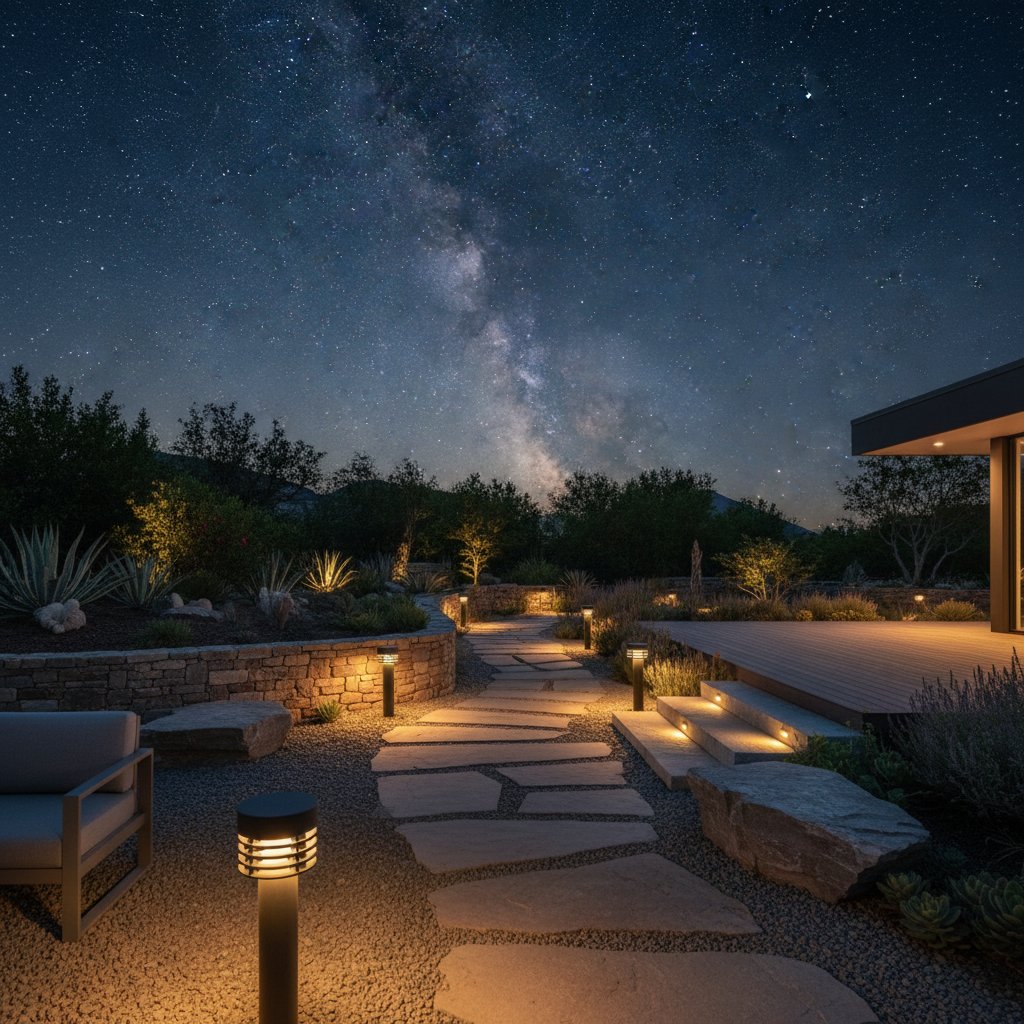
The design of a lighting fixture influences its environmental impact as much as its output. Opt for fully shielded models that contain light within the fixture and direct it downward. These prevent upward spill, ensuring that illumination stays close to the ground.
Consider these effective fixture types:
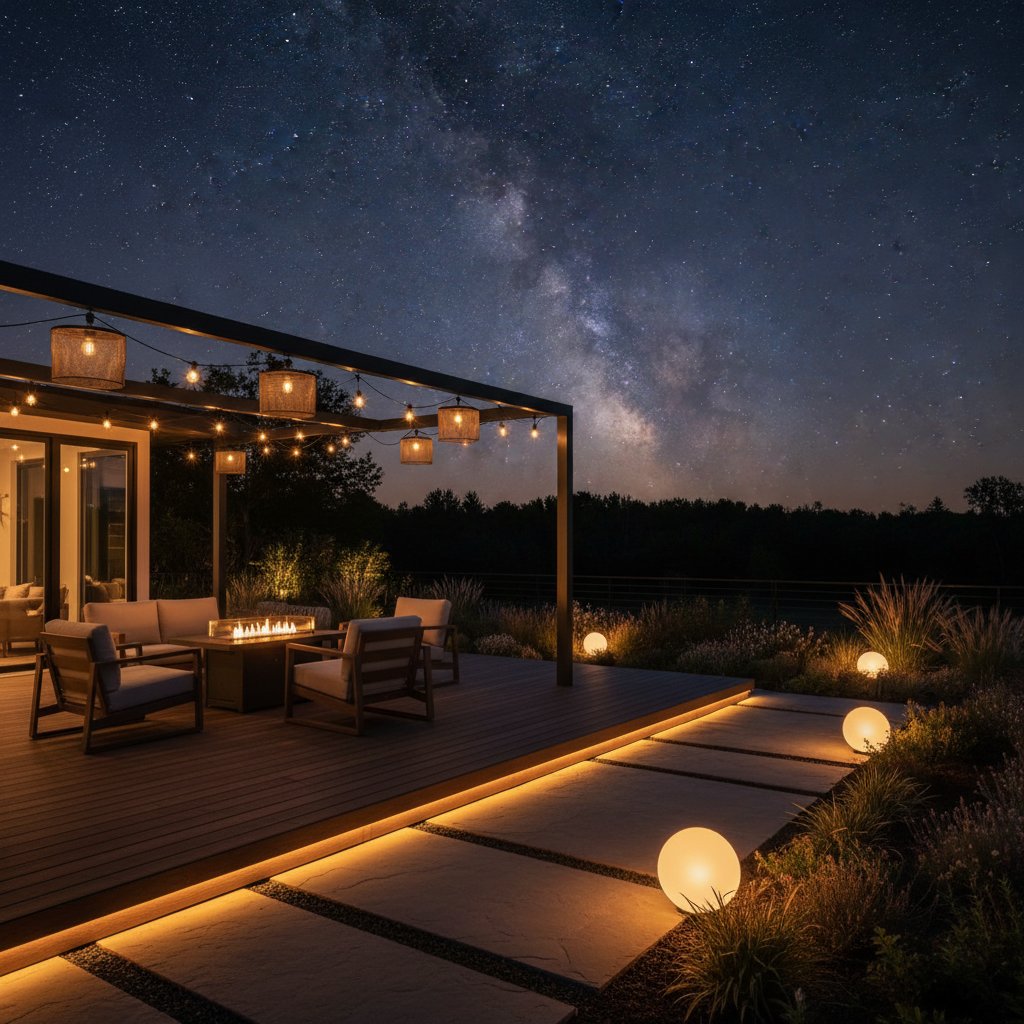
- Downlights: Install under eaves or pergolas to produce focused pools of light on pathways or seating areas.
- Path lights: Choose low-profile versions with hoods that conceal the bulb, providing gentle guidance along walkways.
- Bollards: Use sturdy posts with internal shields to illuminate specific zones like driveways without broad scatter.
- Wall sconces: Select designs featuring solid tops and frosted covers, ideal for entryways and patios.
Steer clear of open or upward-facing fixtures that expose bulbs. Reduce intensity by selecting lower-wattage LEDs or repositioning units to angle light toward surfaces below.
Integrating Smart Control Systems
Incorporate automated features to manage light levels and timing dynamically. Dimmers allow adjustments for varying moods, from subtle accents to brighter task lighting. Motion sensors activate illumination only upon detection, minimizing unnecessary exposure.
Design separate zones with dedicated circuits for flexibility. Illuminate a dining area fully during gatherings while keeping peripheral garden paths dimly lit. This zoning promotes energy efficiency and enhances the natural interplay of light and shadow.
Building Subtle Ambiance in the Garden
Emulate natural moonlight by positioning lights at ground level and directing beams horizontally across features. This technique grazes foliage and stone, revealing textures without overwhelming the scene. Layered lighting creates visual depth, making the space feel expansive and serene.
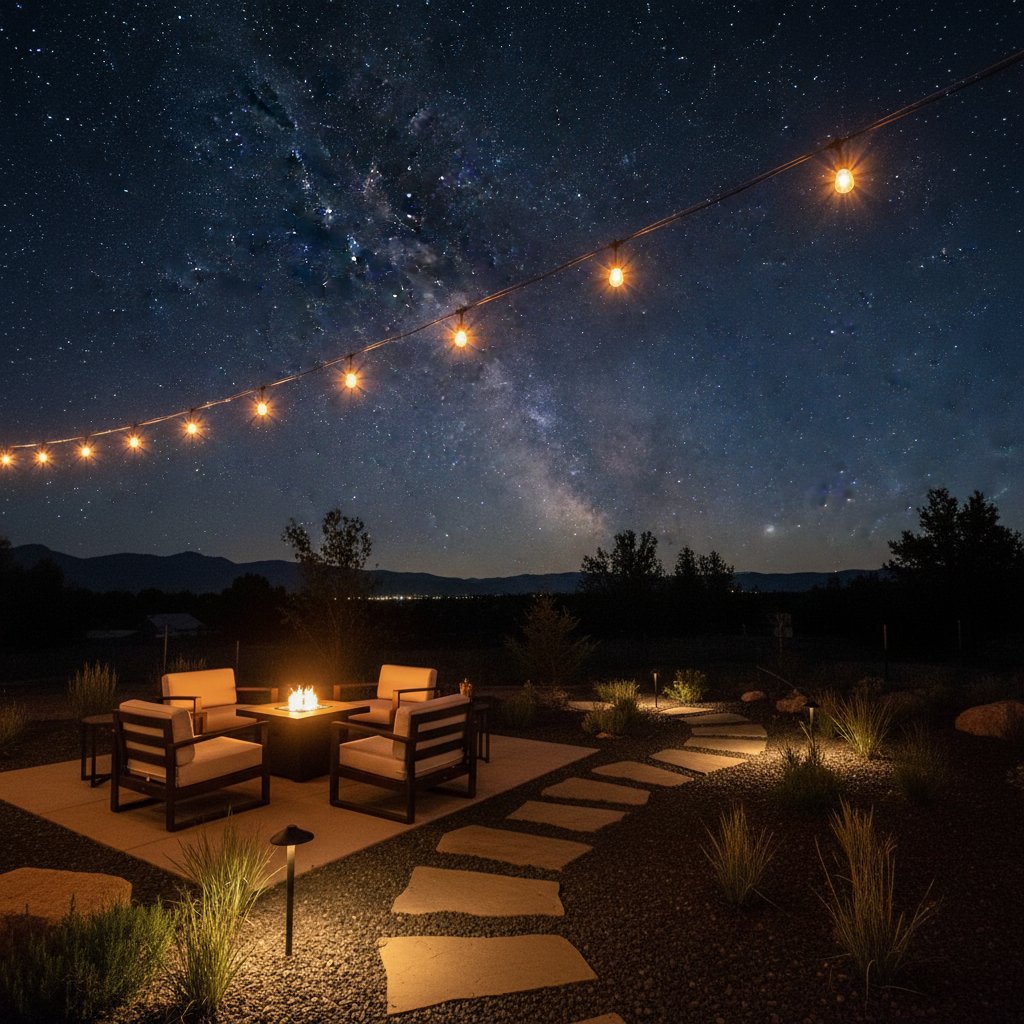
Select bulbs with warm color temperatures around 2700K to 3000K, which complement plant hues and stone tones. Avoid cool white lights that render surroundings stark. Experiment with uplighting on tree trunks or walls to add drama while keeping overall intensity low.
Supporting Wildlife and Community Harmony
Thoughtful lighting preserves essential darkness for local ecosystems. Birds, insects, and mammals rely on unlit nights for navigation, foraging, and rest. Shielded, low-level fixtures minimize disruption to these behaviors, fostering biodiversity in the yard.
Extend consideration to neighboring properties by containing light within boundaries. Spillage can interfere with others' sleep or enjoyment of the night sky. A considerate setup not only avoids complaints but also encourages community-wide adoption of sustainable practices.
Ongoing Maintenance for Optimal Performance
Regular upkeep ensures lighting remains effective over time. Inspect fixtures quarterly to replace fading bulbs with efficient, warm-toned LEDs. Wipe down lenses to eliminate dust that amplifies glare.
Account for seasonal shifts, such as growing foliage altering light paths. Readjust angles or trims as needed to maintain downward direction. These proactive steps sustain balance between functionality and sky protection throughout the year.
Enhancing Garden Vitality Through Balanced Lighting
A well-calibrated system reveals subtle changes in the garden's nighttime ecosystem. Reduced light pollution draws fewer pests to lit areas, allowing evening relaxation without interruptions. Night-blooming plants flourish under gentle conditions, adding to the sensory experience.
This integration of light and darkness promotes broader well-being. The yard evolves into a restorative retreat that aligns aesthetic appeal with ecological responsibility. Homeowners gain spaces that invite mindful evenings beneath visible constellations.