Why Merging Stone with Living Elements Elevates Landscapes
Homeowners often notice their yards lack cohesion despite diligent planting and maintenance. The issue frequently stems from insufficient integration between static stone features and dynamic plant life. Combining these elements introduces depth, texture, and a profound sense of harmony to outdoor spaces.
Seeing Beauty in Contrast
Stone represents permanence and strength, while plants embody growth and fluidity. Positioned together, they complement one another effectively. For example, the rugged texture of a granite boulder accentuates the delicate fronds of ferns growing nearby, creating visual interest.
This interplay prevents monotony. An all-plant garden may appear overgrown without boundaries, whereas an exclusively stone landscape risks sterility. The combination establishes a natural cadence that guides the viewer's gaze across varied surfaces and forms.
Beginning with Observation
Assess your landscape's existing conditions before introducing new features. Identify patterns in sunlight exposure, shadow patterns, and drainage after rainfall. Such observations reveal optimal placements for stone and plants; succulents flourish in sunny, dry spots, whereas hostas prefer cooler, moist areas.
Examine current stone elements, such as retaining walls or patios, for integration potential. Plants can colonize crevices over time, eroding sharp lines and fostering an aged, authentic appearance. This preparatory step ensures additions integrate seamlessly with the site's inherent character.
Planning a Balanced Design
Approach garden design as an interactive dialogue between materials. Select a focal area, like an entryway border, to test combinations. Opt for stone that harmonizes with your home's architecture, such as limestone for traditional styles or slate for modern ones.
Pair stones with complementary plants to enhance unity. Cool blue-gray basalt coordinates with blue fescue grasses or lavender, while reddish flagstone aligns with bronze-hued sedums. Aim for organic flow rather than rigid alignment, allowing plants to spill over edges for a layered effect.
Bringing Living Walls to Life
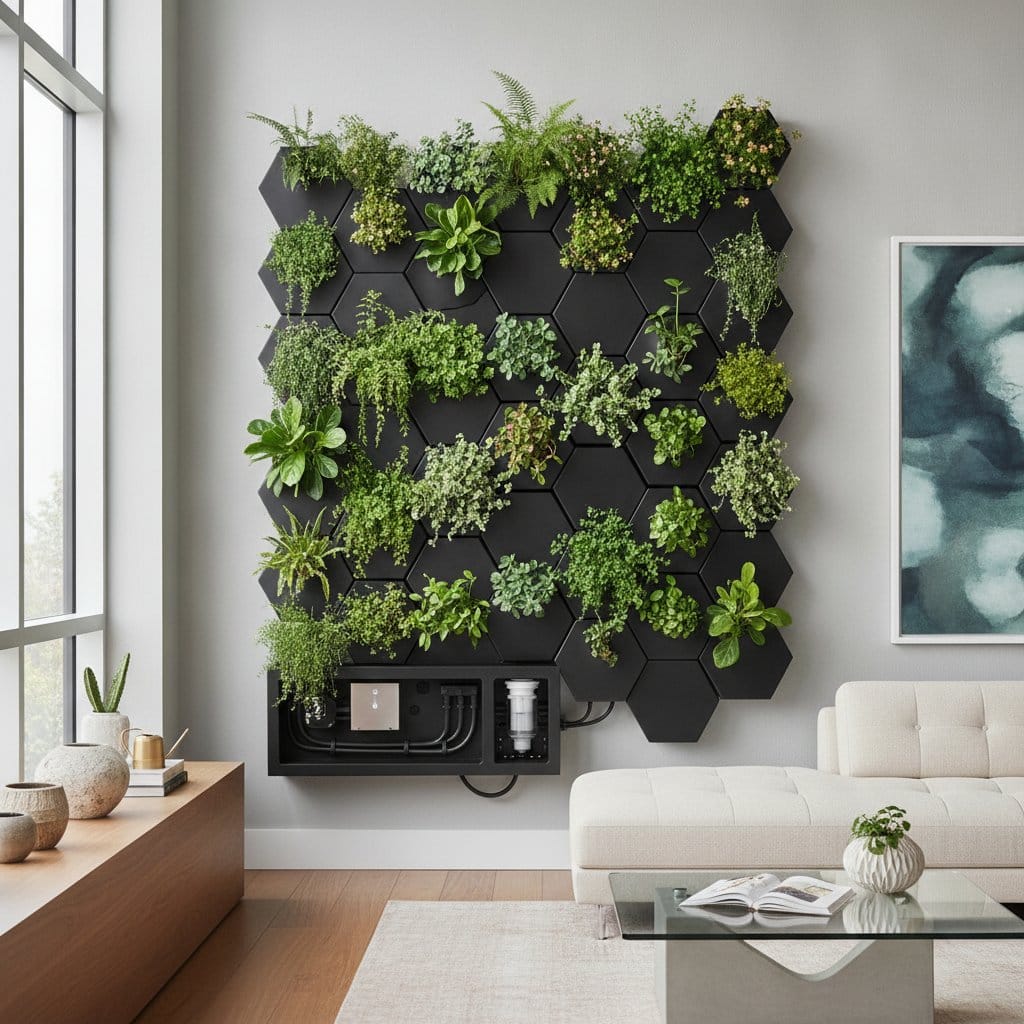
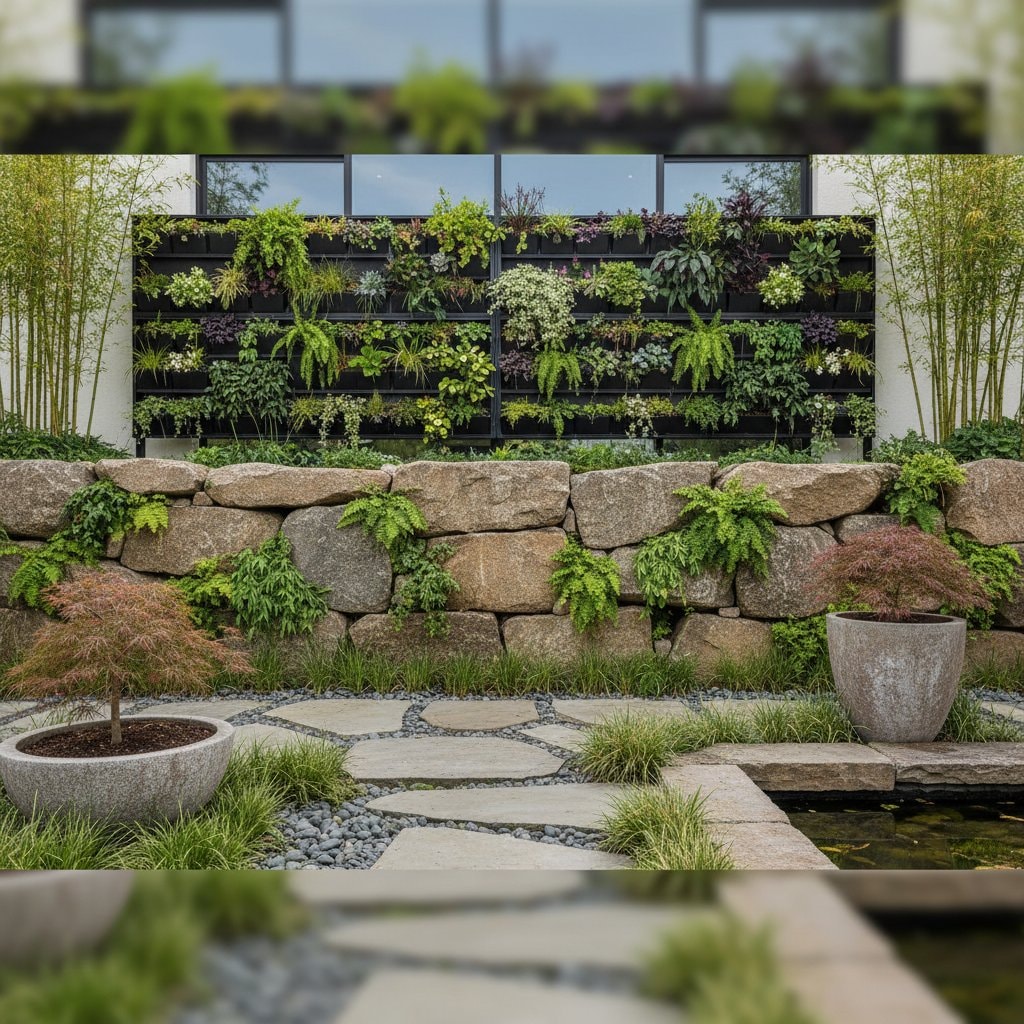
Living walls merge stone and vegetation vertically, evoking natural rock faces overtaken by flora. Construct them using a stable stone or masonry base with integrated planting pockets. Suitable plants include drought-tolerant sedums, air plants, or ivies that require minimal soil.
Incorporate a drip irrigation line to maintain consistent moisture levels, adjusting flow based on plant needs. Secure soil pockets with mesh to prevent erosion. As plants establish, the wall evolves into a seasonal display, with blooms in spring and foliage density in summer.
Inviting Moss to Settle In
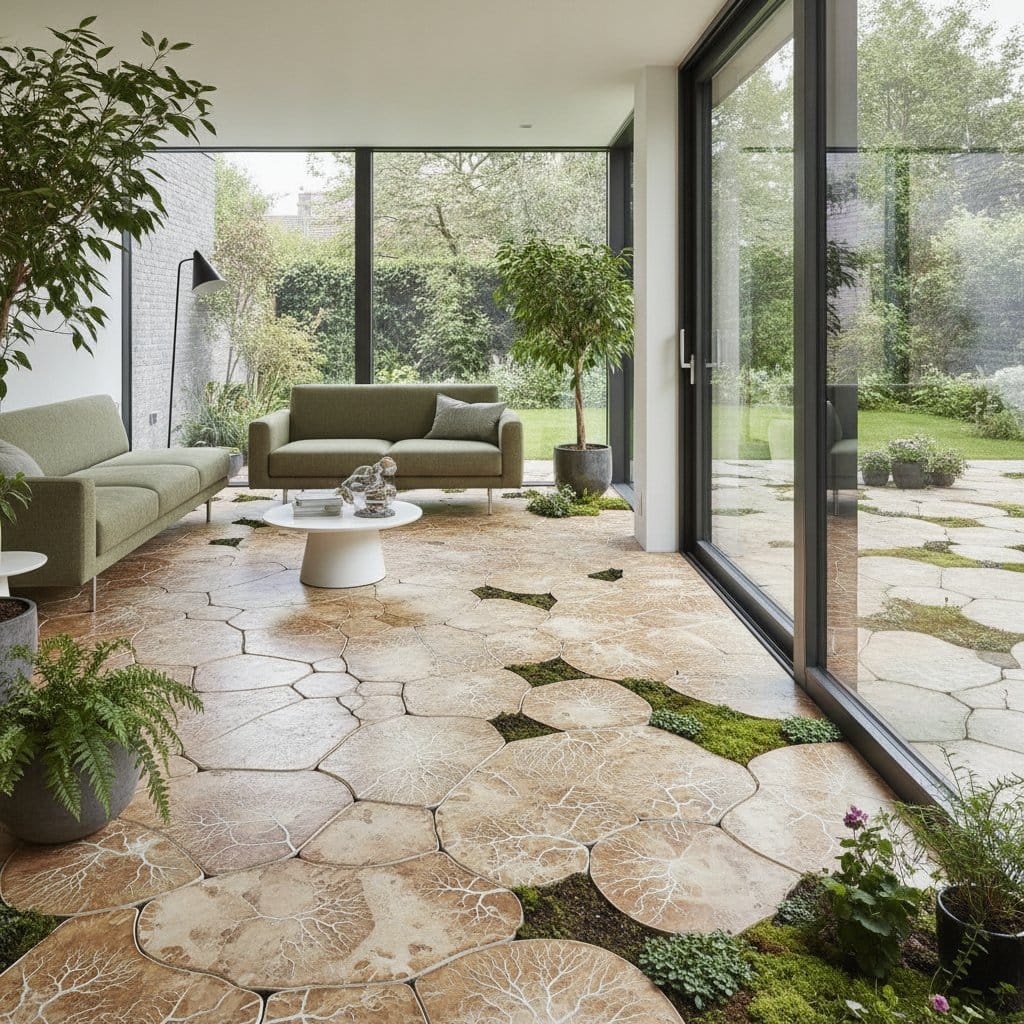
Moss enhances stone with its plush, low-maintenance coverage. Cultivate it on north-facing walls or shaded boulders by maintaining consistent humidity. Mix buttermilk with moss slurry and apply to clean stone surfaces to accelerate colonization.
Mist the area daily for the first few weeks to promote adhesion. Refrain from applying chemical treatments that inhibit growth. Established moss forms a soft carpet, reducing erosion and adding a serene, woodland ambiance.
Shaping Pathways and Borders
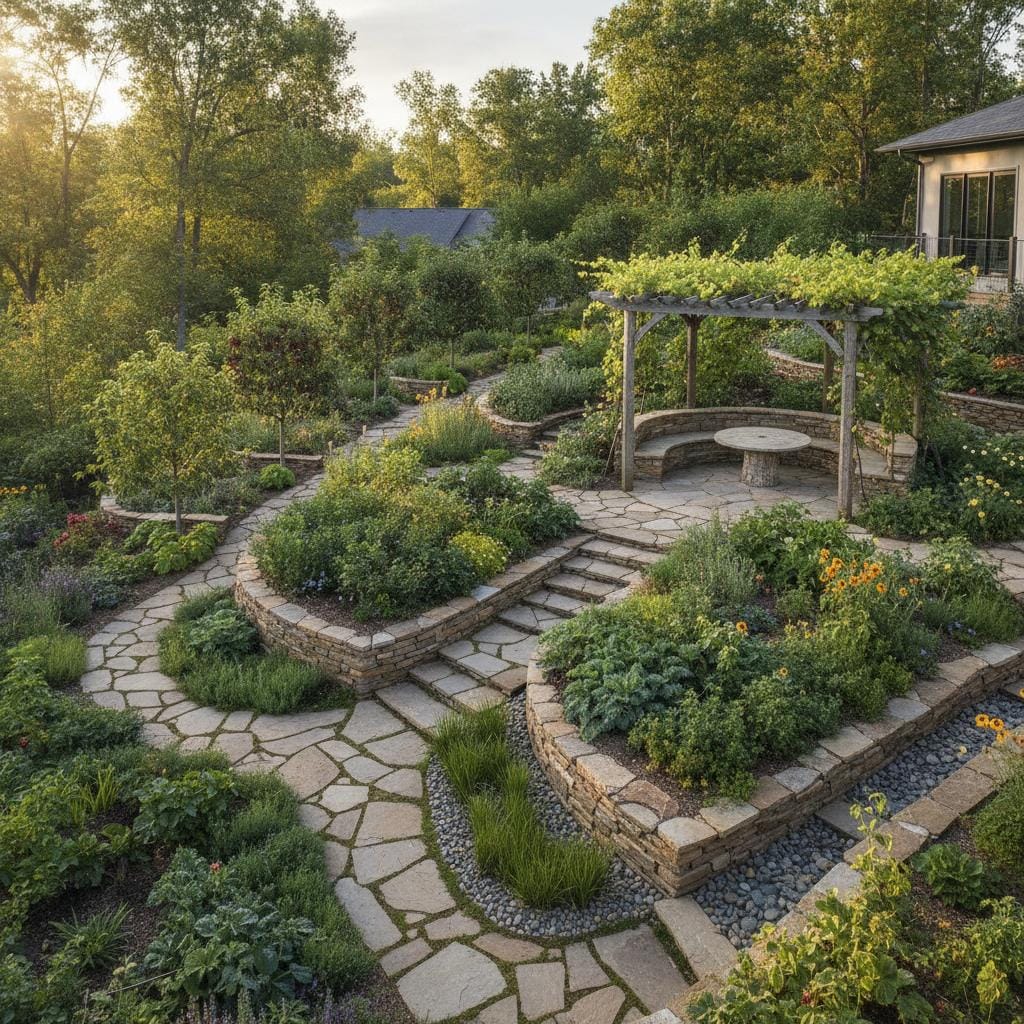
Incorporate plants into stone pathways to blend functionality with aesthetics. Install stepping stones with wide joints filled by creeping thyme or woolly sedge, which release aromas when stepped upon. This design encourages pollinators and softens the path's formality.
Use dry-stacked stone for bed borders to allow root penetration. Plant dwarf irises or sweet woodruff in the base layer for color accents. Regular weeding preserves structure while permitting natural spillover for an untamed edge.
Creating Harmony with Water
Incorporate water features to amplify stone-plant synergies. Build a stone-lined basin for a bubbling fountain, surrounding it with marginal plants like pickerelweed. The rippling surface mirrors foliage, adding dynamism to static compositions.
Position a granite birdbath amid groundcovers such as creeping Jenny to attract wildlife. Ensure level placement to avoid spills, and refresh water sources seasonally. These elements foster biodiversity, linking your garden to broader ecological patterns.
Maintaining Balance Over Time
Sustain the design through routine care that respects natural processes. Remove leaf litter from stone joints quarterly to prevent displacement by expanding roots. Prune vines annually to control spread without eliminating their cascading appeal.
Monitor moisture during dry spells, supplementing with targeted watering for stress-prone plants. Introduce mulch around bases to retain soil health. This ongoing attention preserves equilibrium, allowing the landscape to mature gracefully.
Watching Your Garden Thrive
Blending stone and plants yields a dynamic outdoor environment that evolves continuously. Stone provides enduring structure, while vegetation introduces vitality and adaptation. Together, they form resilient ecosystems that withstand seasonal shifts.
Regular interaction with the space reveals subtle transformations, from spring emergences to autumn colorations. This partnership not only enhances visual appeal but also promotes mental well-being through tactile and sensory engagement. Your garden emerges as a cohesive sanctuary, embodying nature's inherent balance.