Transform Property Lines into Productive Edible Hedges
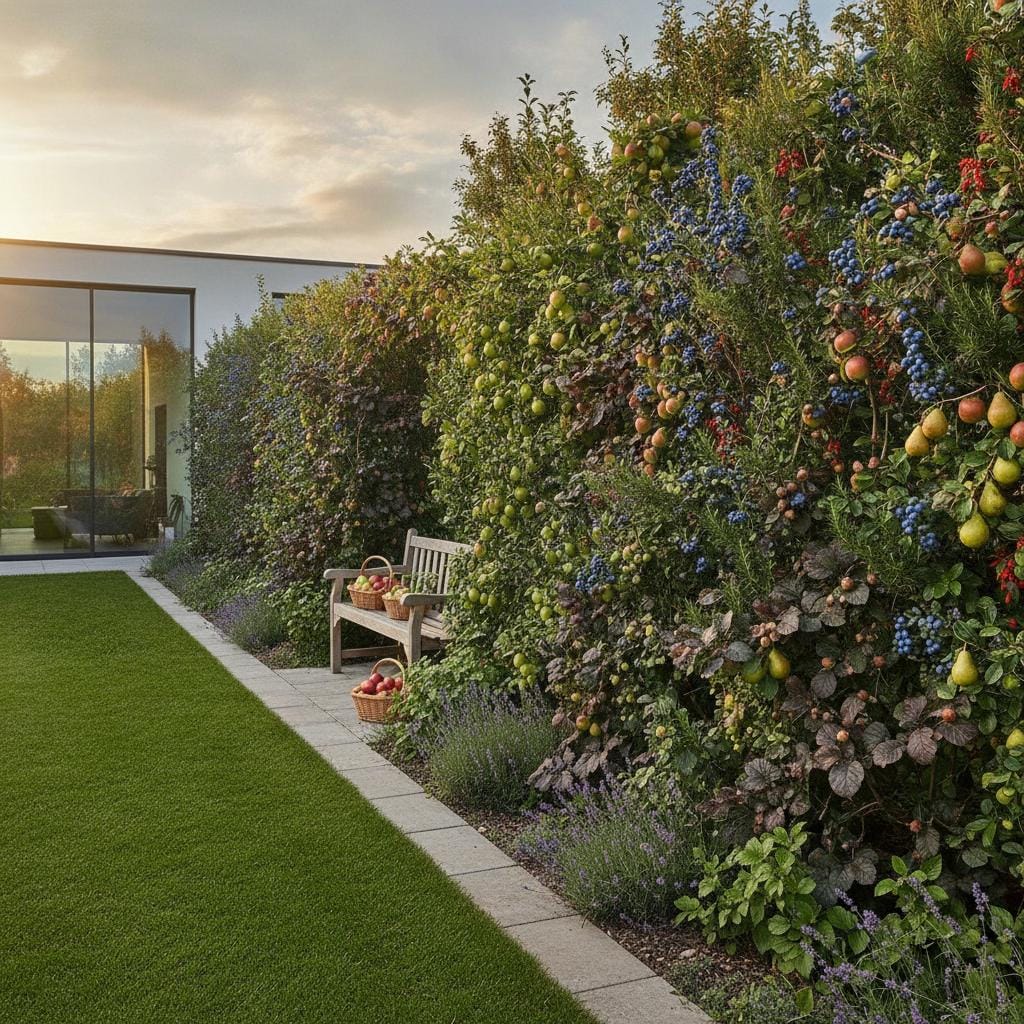
Property lines often remain idle behind fences or basic shrubs. These boundaries define your yard yet contribute little beyond structure. Through careful planning, transform those lines into vibrant, productive hedges that yield fruit, support pollinators, and enhance visual appeal. Edible hedges provide privacy and form while delivering practical benefits for your home.
Establishing an edible hedge requires deliberate steps, including plant selection, soil preparation, and ongoing pruning. The process yields a low-maintenance feature that supplies seasonal produce and integrates seamlessly into your landscape.
Benefits of Edible Hedges
Traditional hedges serve ornamental roles by marking borders, blocking views, and framing garden spaces. Edible hedges accomplish these tasks while generating food sources. This approach maximizes space efficiency in yards of any size.
Principal advantages encompass:
- Versatile function: Aesthetic appeal combined with edible yields from a single planting.
- Screening effect: Thick foliage conceals views from adjacent properties.
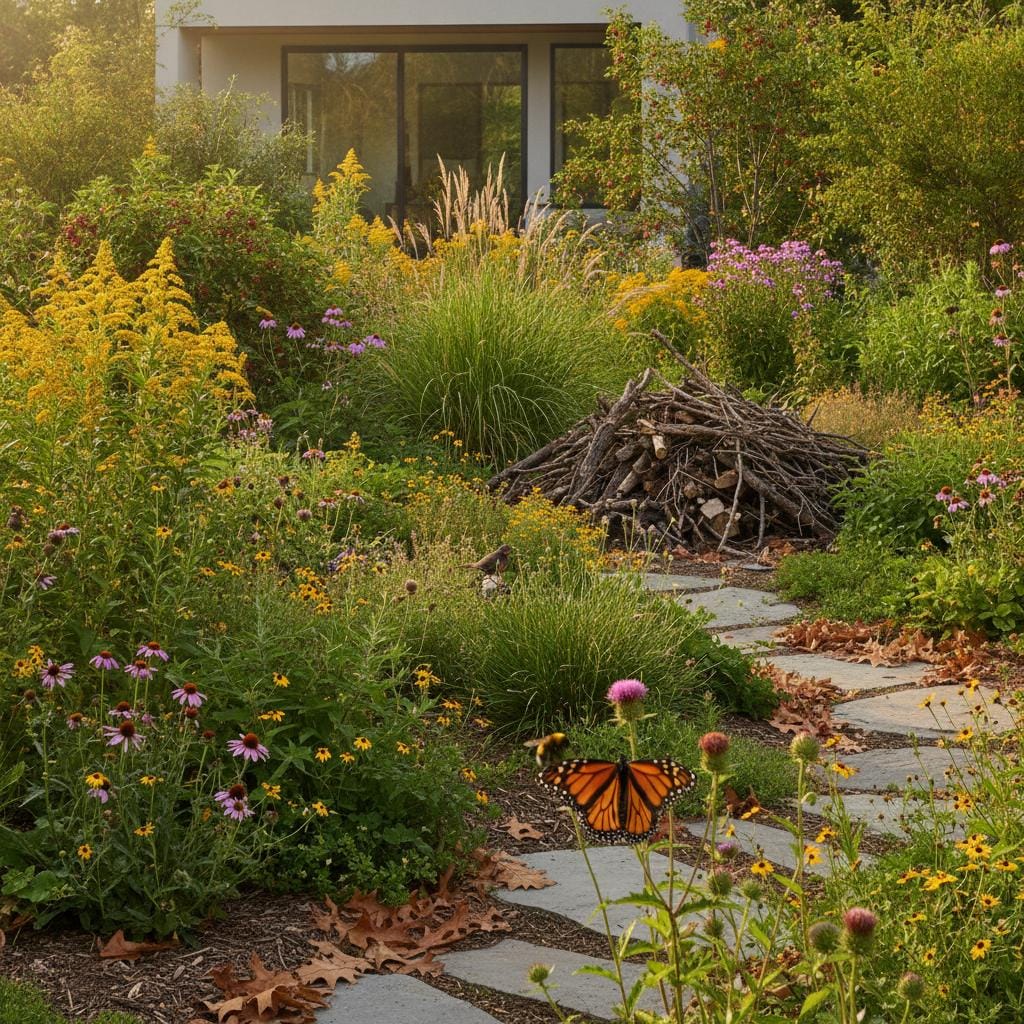
- Ecological support: Blossoms nourish pollinators, and fruits sustain birds.
- Erosion control: Extensive root systems anchor soil and minimize runoff.
- Resource efficiency: Reduced grass areas promote productivity and eliminate underutilized borders.
Replace sections of existing fences or evergreen rows with edible shrubs to introduce seasonal color variations and accessible fresh produce along your perimeter.
Planning an Edible Hedge
Determine the hedge's primary objectives first. Consider whether the goal involves shielding a neighbor's view, forming a modest edge along a pathway, or erecting a substantial barrier that generates surplus fruit. These priorities influence plant choices and arrangement.
Evaluate the Location
Examine the full extent of your property line. Record sunlight exposure, soil texture, and available planting width. Optimal edible hedge plants thrive in full sun, defined as six or more hours of direct sunlight each day. Shade-adapted varieties perform adequately, though fruit production diminishes.
Test soil drainage by observing water retention after rainfall. Amend poor drainage with incorporated compost or elevated planting beds. Conduct a soil analysis to gauge nutrient content and acidity levels. Berries and fruit shrubs generally favor mildly acidic conditions, with a pH range of 5.5 to 6.5.
Specify Dimensions and Form
Establish the desired height and breadth. A front-yard boundary may suit a hedge of three to four feet, whereas a rear privacy screen could extend to six to eight feet or taller. Height considerations dictate suitable species and intervals between plants. Compact options like currants remain under four feet, while serviceberries develop into taller forms.
Formal designs demand regular trimming for precise contours. Informal styles leverage inherent growth for a casual appearance. Select a configuration aligned with your landscape aesthetic and upkeep tolerance.
Amend the Soil
Vigorous soil fosters robust growth. Till the planting strip to a depth of twelve inches to alleviate compaction. Incorporate compost or well-rotted manure to enhance nutrient availability and structure. Eradicate persistent weeds and their root systems to prevent nutrient competition.
For dual-row setups, maintain two to three feet of separation to facilitate access for maintenance and collection. Install drip lines or soaker hoses prior to planting to simplify future irrigation.
Selecting Appropriate Plants
Effective edible hedge candidates exhibit dense branching, pruning resilience, and consistent yields. Combining varieties builds hedge durability, diversifies harvest periods, and introduces color diversity.
Options for Temperate Regions
- Blueberries: These maintain a tidy profile with vivid red autumn leaves. Acidic soil is essential, and plant at least two cultivars for cross-pollination to ensure fruit set.
- Currants and Gooseberries: Tolerant of partial shade, these respond well to shaping and yield berries ideal for preserves and baked goods.
- Serviceberries: Recognized also as Juneberries, they attain greater heights with spring blooms preceding palatable fruits.
- Elderberries: Rapid establishment and high output characterize these, requiring yearly cuts to control size.
Options for Milder Climates
- Pineapple Guava: Persistent foliage pairs with consumable blossoms. Late-season fruits draw avian visitors.
- Pomegranate: Sturdy form and vivid blooms render this an eye-catching divider.
- Mulberry: Robust and versatile, this demands ample room and periodic containment.
- Dwarf Olives or Citrus: Suitable for temperate zones, these offer continual verdure and periodic yields.
Year-Round Variety Integration
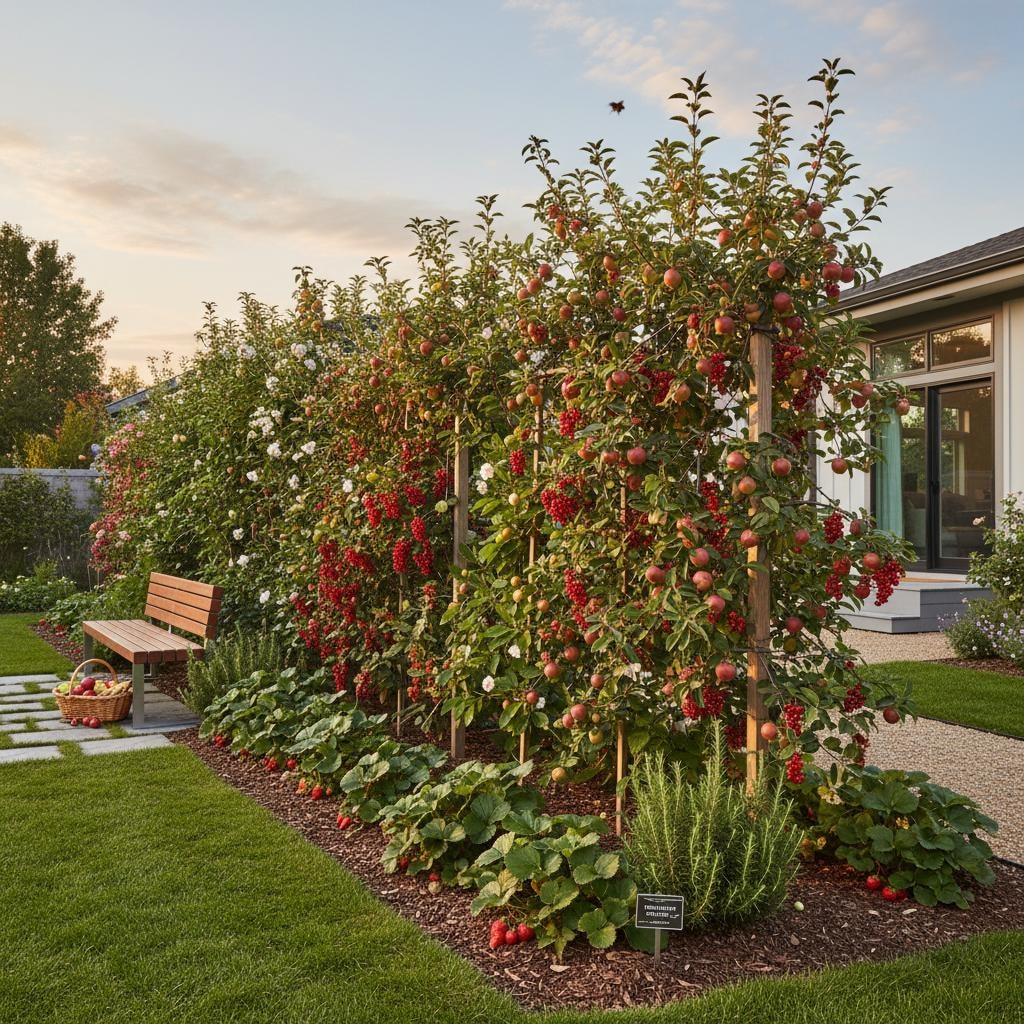
Blend species to prolong productivity. Sequence early-maturing serviceberries with midsummer blueberries and autumn elderberries. Undersow with pollinator-attracting herbs such as rosemary or lavender in basal spaces. Incorporate thornless blackberry or raspberry canes for fortified, impenetrable segments beside existing barriers.
Installation and Arrangement
Position plants along the line prior to excavation to verify intervals. Space most specimens two to four feet apart, adjusted to their anticipated spread. Tighter placements accelerate enclosure but necessitate intensified trimming.
Excavate pits twice the root ball's width. Position each at its original container depth. Refill with amended soil, tamp lightly, and irrigate thoroughly. Apply a two-inch mulch layer to retain hydration and deter weeds, ensuring clearance from stems.
For enhanced screening, deploy staggered dual rows. In constrained areas, a solitary dense row suffices with appropriately selected varieties.
Maintenance Practices
Established edible hedges demand minimal intervention. Focus initial efforts on root development and form establishment during the first season.
Irrigation
Supply regular water to juveniles until roots expand. Deliver deep soakings one to two times weekly in arid conditions. Employ drip systems to conserve effort and avert foliar diseases by avoiding wet leaves.
Nutrition
Distribute compost or balanced organic amendments at spring's onset. For acid-preferring types like blueberries, apply sulfur lightly or use specialized formulations. Refrain from excess applications, which promote foliage at fruit's expense.
Trimming
Annual removal of deceased or intersecting limbs preserves health. Post-harvest shaping sustains compactness. In formal setups, taper upper edges inward to permit lower light penetration.
Perform renewal cuts every three to five years by excising one-third of aged canes at ground level. This technique revitalizes currants, gooseberries, and elderberries effectively.
Issue Prevention
Routine inspections mitigate challenges in resilient shrubs. Clear debris from dropped fruits and foliage. Plant companion blooms like yarrow or borage to bolster beneficial insects. Address infestations by excising impacted sections or deploying gentle organic treatments.
Employ netting or shiny deterrents to safeguard maturing berries from birds, preserving ventilation and illumination.
Investment and Effort Overview
Expenses vary with species, scale, and extent. Budget comparably to ornamental hedge projects. One-gallon specimens offer economy, whereas larger sizes expedite maturity at higher cost.
A modest installation fits into a weekend using standard implements. Extensive or intricate layouts may justify expert assistance. Upkeep mirrors conventional hedges, augmented by periodic gathering.
Long-term returns include homegrown bounty and diminished reliance on commercial sources. Aesthetic and ecological enhancements elevate property worth.
Year-Round Management
Seasonal shifts animate the hedge. Spring blooms invite pollinators and initiate yields. Summer greenery affords seclusion and respite. Fall delivers pigmentation and bounty, with winter exposing architectural elements.
Sustain vitality through post-yield pruning, spring nourishment, and annual mulch renewal. Infills replace vacancies to ensure unbroken coverage. Maturity enhances output and autonomy.
Implementing Your Edible Hedge
Convert your boundary into a fruitful edible hedge through targeted actions that infuse vitality into your grounds. Initiate with a trial segment, such as ten feet of currants or blueberries, to assess suitability before broader commitment. Prioritize climate-compatible and soil-matched selections.
This dynamic perimeter unites ornamentation, nourishment, and habitat. It evolves inert margins into flourishing systems.