Recalling a Starlit Evening
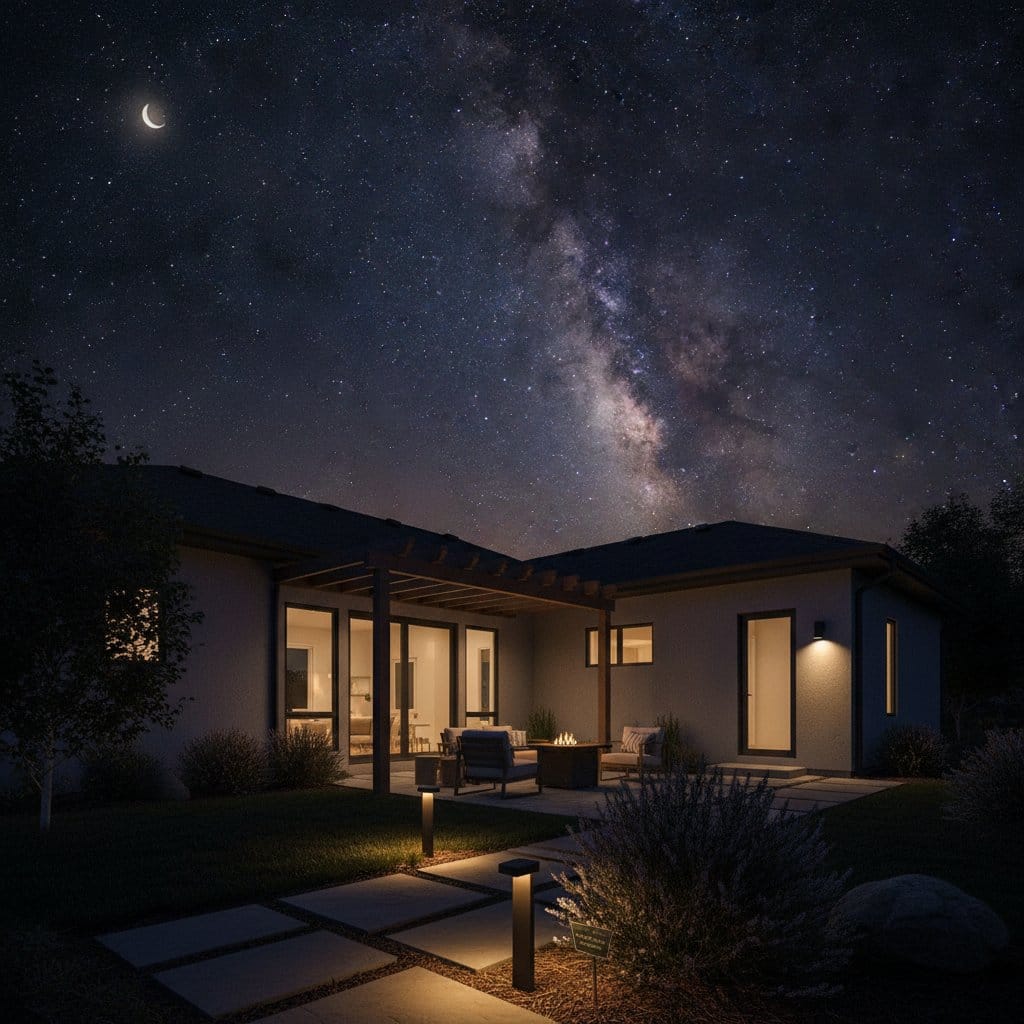
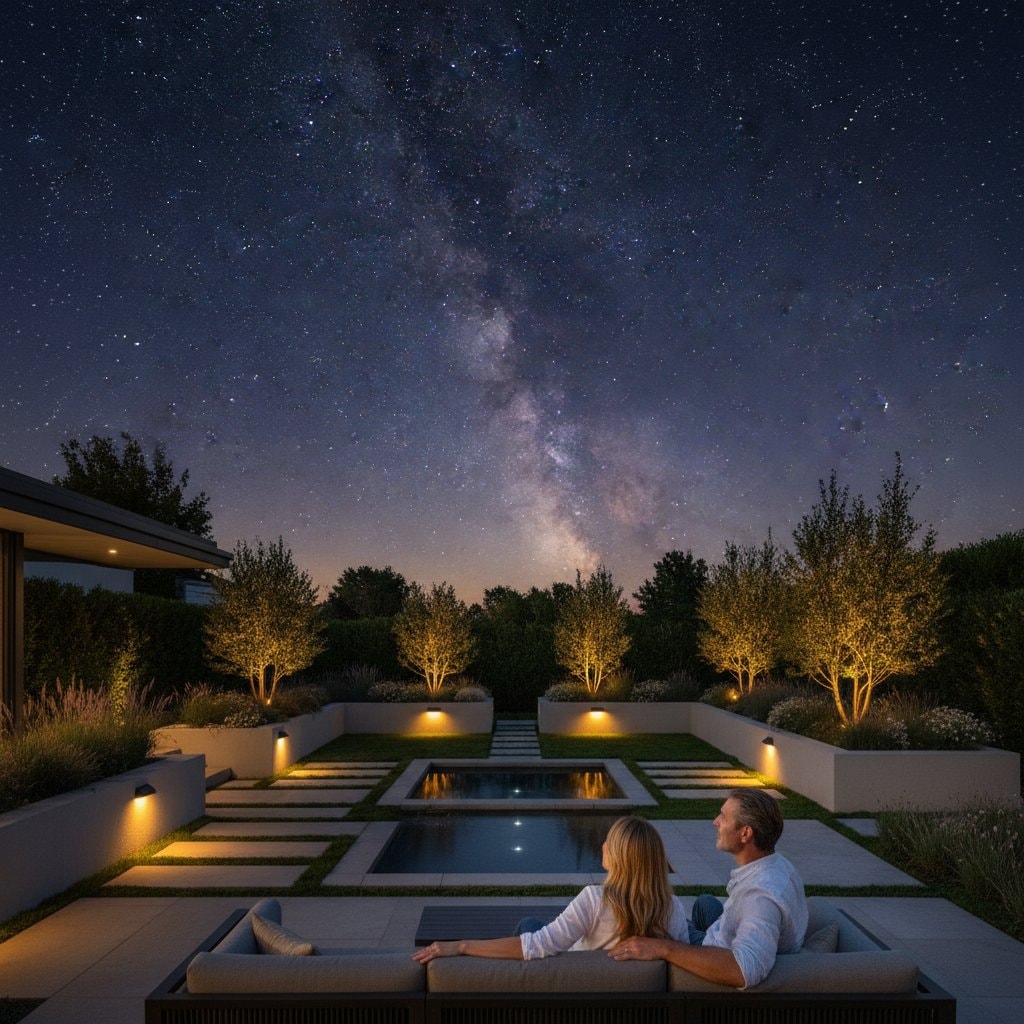
The first backyard illuminated thoughtfully to safeguard the night sky remains vivid. Stars appeared nearer and more vivid, revealing their true splendor. Garden paths emitted a subtle glow, plants retained sculptural forms without bleaching, and the space conveyed tranquility. That experience reshaped perspectives on outdoor lighting, underscoring that illumination serves practicality while honoring the darkness it pierces.
The emerging Dark Sky guidelines embody this philosophy. They prompt property owners to reassess the purpose and method of illuminating exterior areas. This evolution extends beyond regulatory adherence to restoring equilibrium among security, aesthetics, and ecological stewardship.
Grasping the Dark Sky Principles
The Dark Sky movement centers on curbing light pollution. Light pollution arises from artificial sources that intrude into the night sky or illuminate unnecessary areas. Such excess obscures celestial views, disorients wildlife, and squanders resources. The updated guidelines urge homeowners to reconsider three core elements: intensity, orientation, and duration.
- Intensity: Apply sufficient light solely for security or utility.
- Orientation: Direct illumination downward or use shields to eliminate upward spill and glare.
- Duration: Restrict activation periods, particularly beyond active outdoor use.
These principles, though straightforward, profoundly alter a landscape's ambiance. A thoughtfully engineered system renders the yard a serene, luminous haven that ensures safety without intrusion.
Selecting Fixtures Aligned with Night Preservation
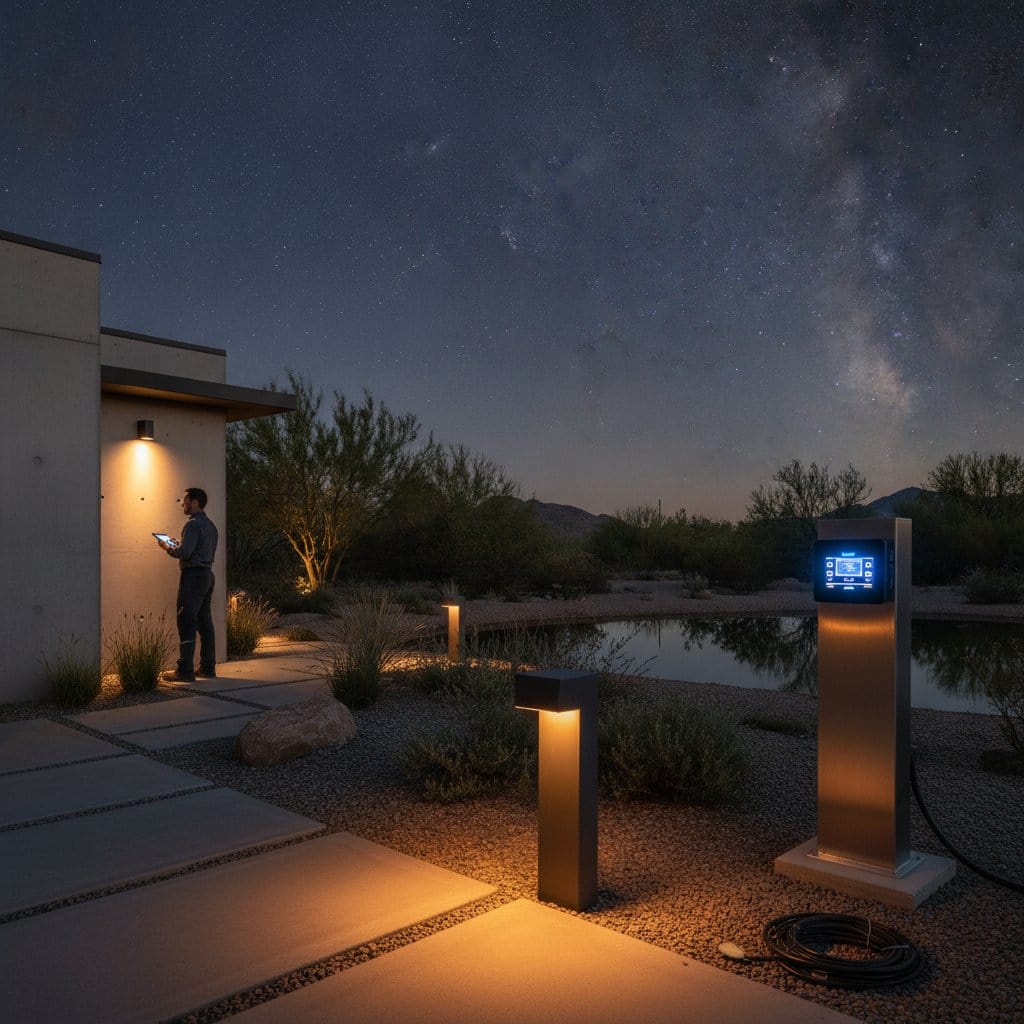
Fixture selection proves as crucial as installation. Traditional outdoor lights disperse beams omnidirectionally, leading to inefficiency and skyward leakage. Contemporary options compliant with Dark Sky criteria incorporate integrated shields or enclosures to concentrate light earthward.
Prioritize these attributes when evaluating fixtures:
- Complete shielding that prevents any emission above the horizontal level.
- Warm color temperatures (around 2700K) producing soothing amber hues rather than stark white intensity.
- Efficient LED sources featuring dimmable functions for precise intensity management.
- Integrated smart features such as automated timers or motion detectors to activate light judiciously.
These refinements yield noticeable enhancements upon evening emergence. The garden achieves a tender luminescence, preserving shadows and surface details for a nuanced visual experience.
Crafting Intentional Lighting Layouts
Effective lighting design harmonizes with a site's inherent cadence rather than overshadowing it. Homeowners often equate amplified illumination with enhanced security. In reality, excessive brightness generates glare and concealed shadows, complicating navigation. Achieving equilibrium demands discernment.
Identify primary zones requiring illumination, including:
- Walkways and stairs to facilitate secure traversal.
- Entry points and barriers for clear sightlines and entry.
- Lounge spaces or terraces to enhance relaxation and mood.
- Focal elements like foliage, fountains, or structural highlights.
With zones mapped, exercise moderation to avoid overillumination. Darkness provides context for light, and strategic contrasts infuse landscapes with dimension. One precisely positioned pathway fixture often surpasses multiple intense units in evoking atmosphere.
Broader Ecological Impacts
Exterior lighting influences ecosystems beyond human perception. Avian species, pollinators, and terrestrial animals depend on innate light-dark cycles for orientation, foraging, and repose. Artificial inundation perturbs these patterns. Opting for shielded designs and subdued tones sustains vital natural sequences.
Resource conservation represents another key factor. Optimized systems diminish excess, lowering power demands and expenses. Incremental modifications, such as reducing output or incorporating automation, yield tangible savings annually. Initial aesthetic decisions evolve into contributions that enrich personal grounds and communal environments.
Integrating Aesthetics with Regulatory Standards
Concerns arise that adherence to lighting norms stifles innovation. Constraints actually sharpen focus and intention. Operating within Dark Sky frameworks encourages deliberate selections that accentuate form, pattern, and palette without dominance.
Subdued, ambient illumination can infuse masonry with warm golden tones. A grazing beam across decorative grasses simulates motion with wind-swept undulations. Even a base-mounted uplight on a tree trunk, when adequately contained, produces an organic, minimalist silhouette.
Restrained application allows gardens to mirror the night's subtle elegance. Such spaces invite reconnection with overhead constellations.
Actionable Implementation for Property Owners
For new installations or retrofits, commence with a structured assessment. Traverse the grounds post-sunset to evaluate existing light dynamics. Identify glare zones, hazardous shadows, and spillover onto adjacent properties. Proceed with these measures:
- Upgrade legacy fixtures to full-cutoff variants directing beams downward.
- Adopt warm-spectrum LEDs at 2700K or lower for inviting radiance.
- Incorporate automation via timers or sensors for targeted operation.
- Relocate units to serve essential areas exclusively.
- Prototype arrangements using provisional setups to gauge landscape interplay.
Undertake these enhancements incrementally, allowing iterative refinement. Evening observations enable fine-tuning until the illumination aligns seamlessly.
Maintaining and Evolving Your Setup
After implementation, observe the system's performance over time. Assess nighttime exteriors for star visibility, spatial serenity, and navigational ease without sensory overload. Positive responses indicate successful integration.
Sustain adaptability by updating components with advancing technologies. Modify schedules seasonally and maintain fixtures to preserve beam accuracy. View lighting as an evolving landscape component responsive to user requirements and environmental cues.
This harmony elevates outdoor areas beyond mere visibility. They emerge as sanctuaries that revere darkness, nurture the planet, and cultivate peaceful interludes beneath a restored, expansive firmament.