2026 Lighting Regulations: Reducing Light Pollution in Your Yard
Outdoor lighting enhances security and aesthetics around the home, yet improper use leads to significant issues. Communities across the nation implement new lighting regulations to minimize light pollution and preserve nighttime visibility. These measures enable homeowners to maintain safe, appealing yards while conserving energy and respecting neighbors and wildlife. Knowledge of these requirements assists in planning effective lighting upgrades and ensures compliance.
Understanding Light Pollution
Light pollution occurs when outdoor lights prove excessively bright, misdirected, or active unnecessarily. Such conditions produce glare that impairs nighttime vision and disrupts sleep patterns along with wildlife behaviors. Key forms of light pollution encompass:
- Glare: Direct light entering the eyes, which hinders clear sight.
- Skyglow: A luminous haze over urban areas that obscures stars.
- Light trespass: Unintended illumination spilling into adjacent properties or interiors.
- Clutter: Overlapping light sources generating visual disarray.
Recent regulations target these concerns through restrictions on brightness, direction control, and operational schedules for outdoor lights.
Impacts of the New Regulations on Homeowners
These updated laws govern both residential and commercial installations. Homeowners often adjust fixtures, bulbs, and positions to align with standards. Primary objectives include diminishing brightness, shielding sources, and managing activation times.
-
Brightness restrictions
Guidelines establish maximum lumen outputs for specific zones. Walkways or driveways, for instance, limit fixtures to approximately 1,000 lumens each. Reduced intensity curbs glare and promotes energy conservation. -
Shielding mandates
Fixtures require full or partial shielding to focus light downward. This design prevents upward or lateral spillage toward skies or neighboring sites. Products designated as full cutoff or dark-sky compliant satisfy these criteria. -
Scheduling and automation
Certain locales enforce dimming or deactivation during late hours. Integration of motion sensors and timers facilitates adherence while upholding security.
Consult local building authorities for precise directives prior to acquiring new equipment.
Importance of Adhering to Regulations
Noncompliance risks fines or enforced replacements. Beyond penalties, disregard increases energy consumption and environmental disruption. Appropriate lighting yields long-term savings through lower electricity demands and prolonged bulb durability. It bolsters safety via even illumination that eliminates stark shadows and blinding effects.
Diminished light pollution aids wildlife preservation. Birds, insects, and nocturnal animals depend on darkness for foraging and navigation. Implementation of shielded, low-glare systems fosters a balanced ecosystem on the property.
Selecting Compliant Fixtures
Seek labels indicating dark-sky or cutoff compliance when evaluating outdoor lights. Recommended options include:
- Downlighting units: Positioned on walls or poles to cast light solely below.
- Recessed soffit installations: Embedded under rooflines for gentle pathway or patio glow.
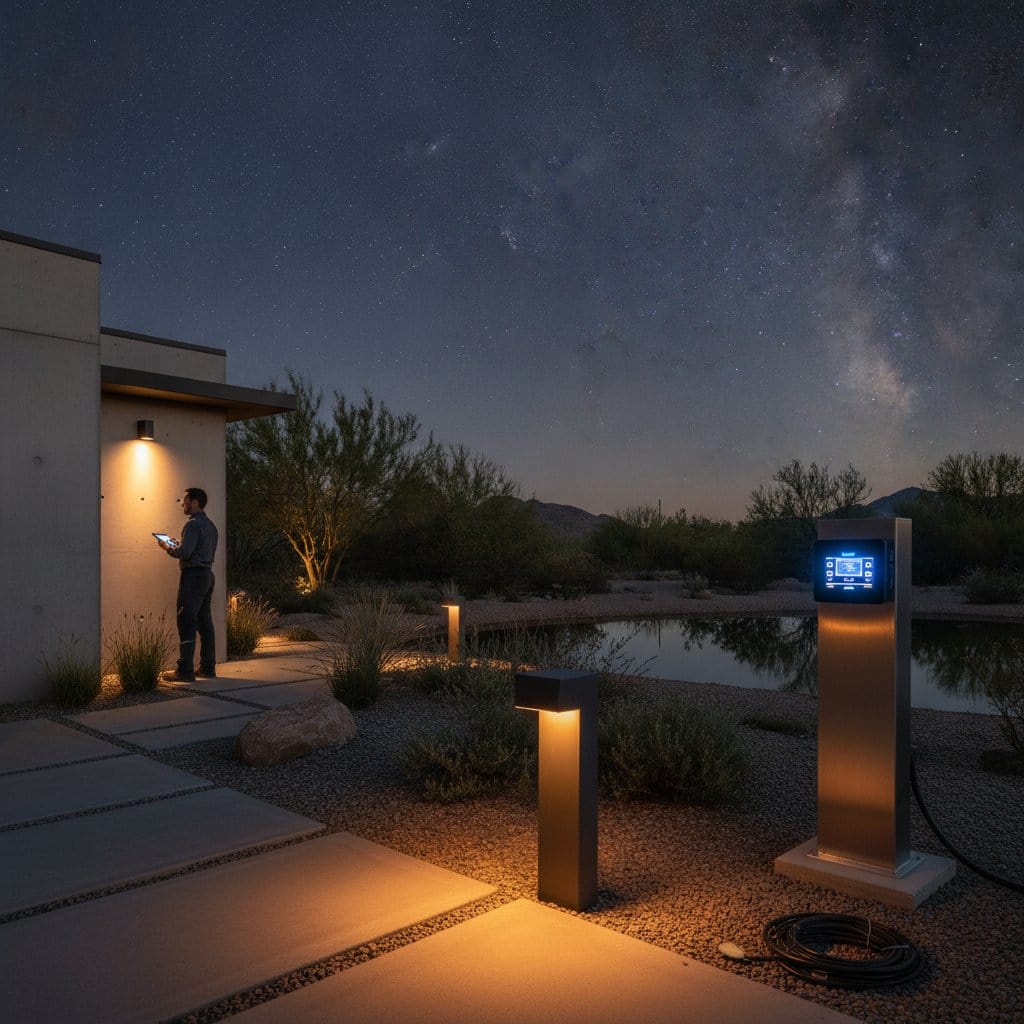
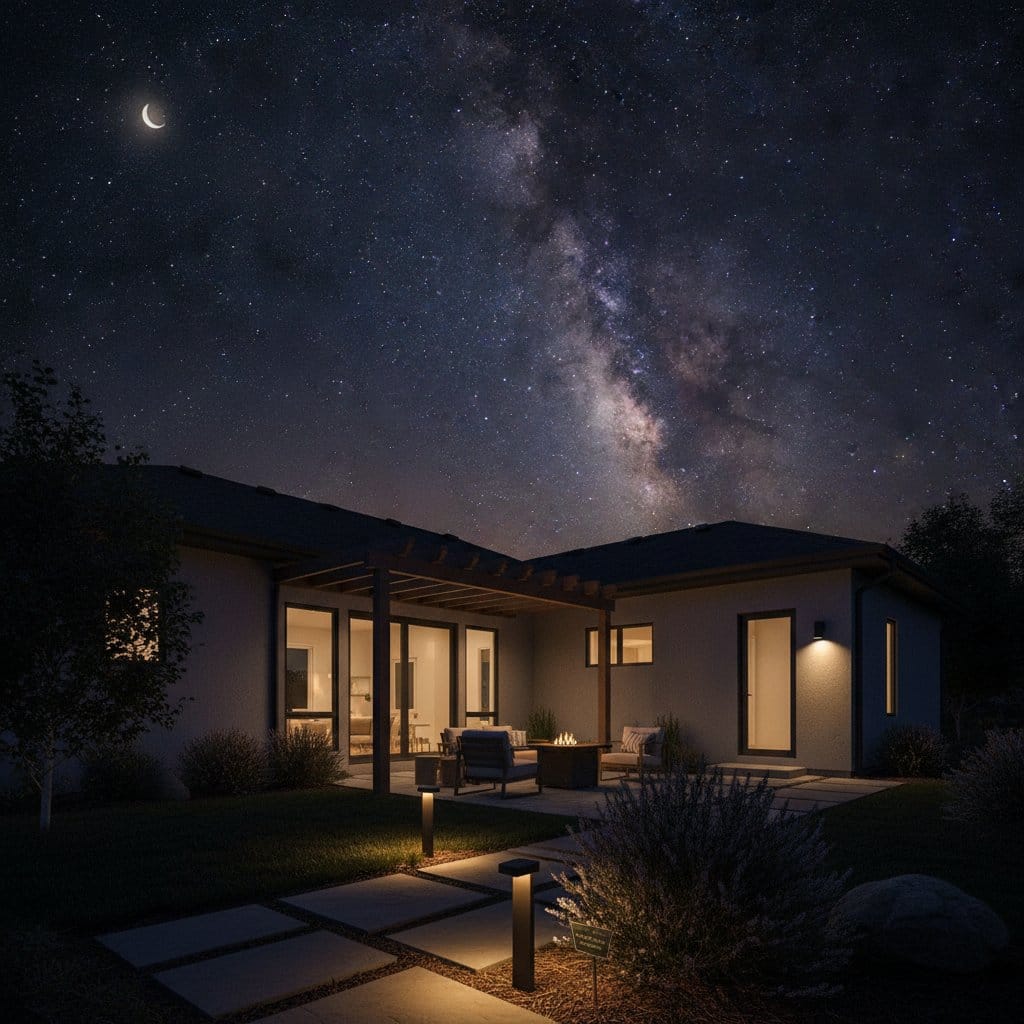
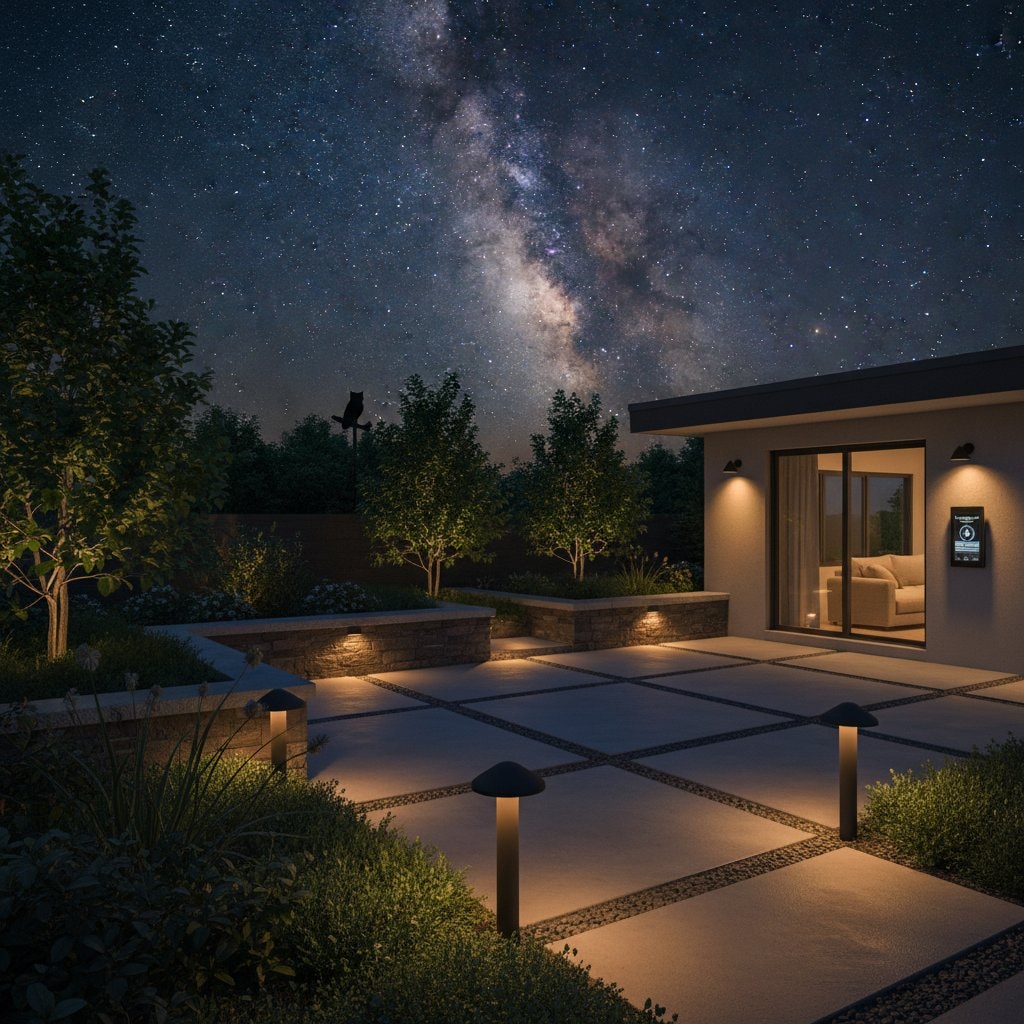
- Bollard luminaires: Compact posts with hooded tops illuminating routes without upward escape.
- Wall-mounted sconces with solid upper shields: Directing beams to floors or nearby surfaces.
Steer clear of unshielded floodlights or exposed-bulb designs absent adjustable shielding. Opt for color temperatures at 3000K or below to deliver warmer hues that minimize glare and blue light output.
Integrating Smart Controls for Efficiency
Advanced controls simplify regulatory alignment and energy reduction. Valuable features comprise:
- Motion detectors: Activation upon detecting movement to optimize usage.
- Dimmers: Variable intensity settings tailored to circumstances, curbing excess light.
- Programmable timers: Automatic shutdowns post-designated periods.
- Smart system connectivity: Remote management via mobile devices or home automation hubs.
LED bulbs represent the preferred selection for exteriors due to superior efficiency and longevity compared to traditional types. Numerous LEDs incorporate inherent dimming or tonal adjustments for effortless compliance.
Strategic Placement and Design Principles
Effective design prioritizes intent. Identify illumination needs, then position fixtures judiciously. Essential strategies involve:
-
Task-oriented focus
Illuminate pathways, stairs, and entrances for secure navigation. Refrain from constant broad-area lighting where intermittent visibility suffices. -
Low-elevation mounting
Ground-level placement yields diffused light and limits spillover. -
Precise angling
Orient beams downward and clear of windows, roads, or boundaries. -
Layered illumination
Blend pathway markers with targeted accents on foliage or structures for harmony. -
Glare mitigation
Divert light from glossy elements such as glass or stone that intensify reflections.
Thoughtful arrangements sustain yard appeal and regulatory adherence without dominating the darkness.
Budgeting and Installation Factors
Upgrading expenses vary by fixture quantity and control sophistication. Typical investments range from several hundred to thousands of dollars for comprehensive systems. Influential elements include:
- Fixture pricing: Basic LED wall units begin at twenty to fifty dollars apiece; premium dark-sky models span one hundred to three hundred dollars.
- Control additions: Sensors or timers range from twenty to one hundred dollars per device. Intelligent setups incur higher initial costs yet enhance versatility.
- Professional labor: Electricians charge fifty to one hundred dollars hourly. Fixture swaps prove faster and more economical than new wiring projects.
Low-voltage setups suit DIY efforts, though verification of local codes remains essential. Deactivate power at the panel and employ waterproof fittings for exterior work.
Upkeep for Durability and Performance
Exteriors endure weather, pests, and accumulation. Routine care preserves efficiency and compliance. Recommended practices:
- Wipe lenses and shields quarterly to sustain output.
- Examine connections for looseness or corrosion.
- Renew seals against moisture ingress.
- Test automation components for reliability.
- Substitute bulbs matching original specifications to ensure consistency.
LEDs endure extended periods, though neglect of contaminants or dampness accelerates wear.
Advantages Extending Past Compliance
Dark-sky adaptations deliver prompt gains surpassing legal obligations. Expect reduced bills, enhanced nocturnal ease, and unobstructed stellar views. Exteriors gain elegance through nuanced highlights on landscapes rather than overwhelming floods.
Interpersonal dynamics strengthen as contained light prevents disputes over intrusion. Proactive pollution reduction demonstrates environmental stewardship and cultivates community harmony.
Implementing Your Lighting Plan
Assess existing setups under cover of night to spot upward or boundary overflows. Prioritize replacement or repositioning targets. Retailers specializing in gardens and illumination stock compliant items across diverse aesthetics and price points.
Retain records of selections and mechanisms, particularly for jurisdictions mandating reviews. Dialogue with building officials verifies suitability pre-installation. Post-setup, evaluate in darkness for residual glare or excess.
Incremental modifications yield substantial impacts. Shielded units, temperate tones, and automated features safeguard the yard from pollution, rendering it welcoming and protected. This approach honors celestial vistas and nurtures collective well-being.