Light Your Yard Right and Keep the Stars Visible
Illuminate Your Yard Without Polluting the Sky
Outdoor lighting enhances safety, creates an inviting atmosphere, and extends the usability of your yard into the evening hours. However, excessive or misdirected light often leads to glare, energy inefficiency, and obscured views of the night sky. The solution lies in strategic design choices that illuminate key areas effectively while preserving the natural darkness overhead. By selecting appropriate fixtures, bulbs, and placement techniques, homeowners achieve a balanced outdoor environment that supports both functionality and celestial appreciation.
Understanding Light Pollution
Light pollution occurs when artificial illumination extends beyond its intended purpose, affecting surrounding areas unnecessarily. Glare results from unshielded bright sources that strain the eyes and impair night vision. Skyglow manifests as a diffused glow above urban and suburban landscapes, diminishing the visibility of stars and constellations. Light trespass involves beams intruding on adjacent properties, such as shining into windows or across fences.
These effects not only consume excess electricity but also disrupt wildlife behaviors and human sleep patterns. Dark-sky lighting principles address these concerns by emphasizing controlled directionality, appropriate intensity, and selective timing. Implementing such methods ensures that light serves its role without compromising the serene quality of nighttime.
Choosing the Right Fixtures
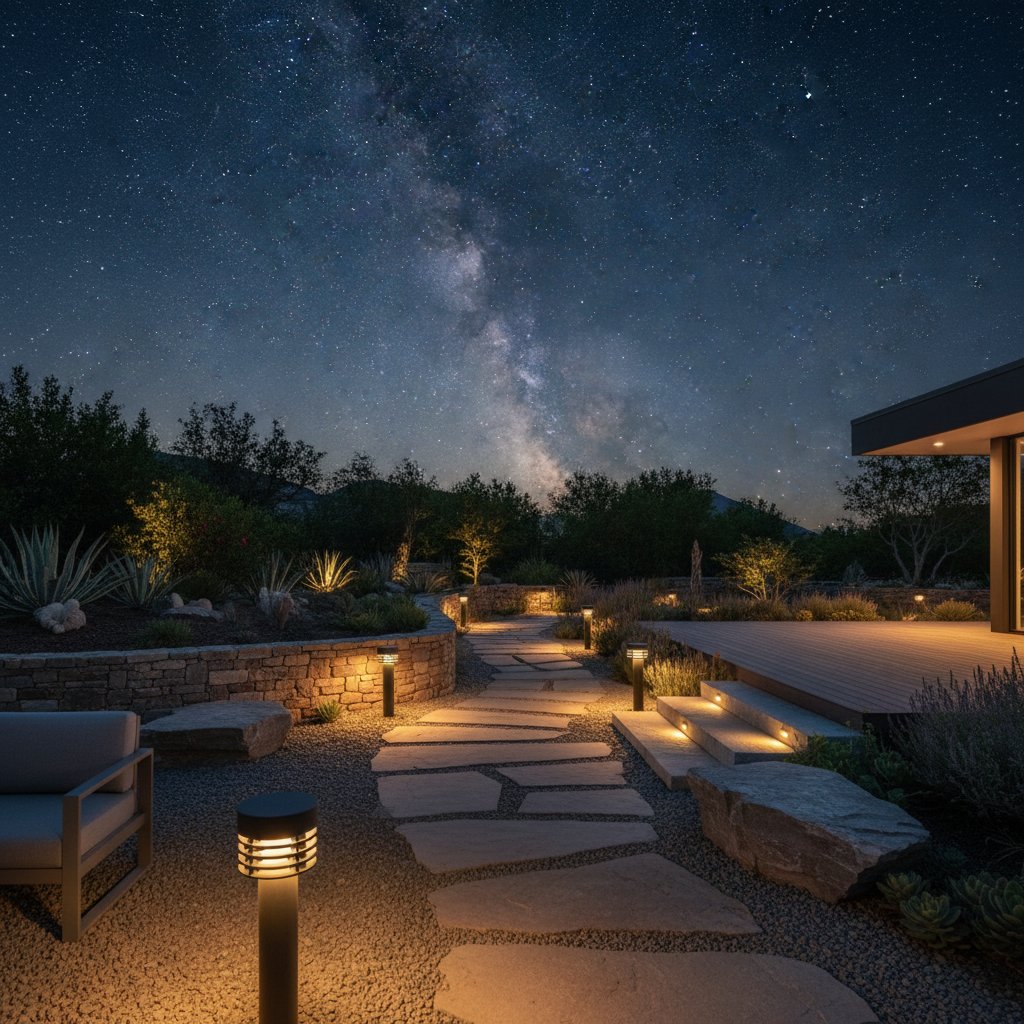
Select fixtures equipped with full cutoff designs, where the light source remains fully enclosed to direct illumination downward. Examples include bollard lights for pathways, which cast a gentle glow on walking surfaces without upward spill, and shielded wall lanterns that focus light on entry points. Recessed deck lights embed seamlessly into surfaces, providing subtle guidance for steps and railings.
Opt for products certified as dark-sky compliant, often indicated by seals from organizations like the International Dark-Sky Association. These fixtures adhere to standards that limit upward light emission to less than 1 percent of total output. Match the aesthetic to your property's architecture; for instance, sleek black aluminum units suit contemporary homes, while lantern-style options complement colonial designs. Prioritize durability with weather-resistant materials like bronze or stainless steel to withstand outdoor conditions.
Using the Right Bulbs and Brightness
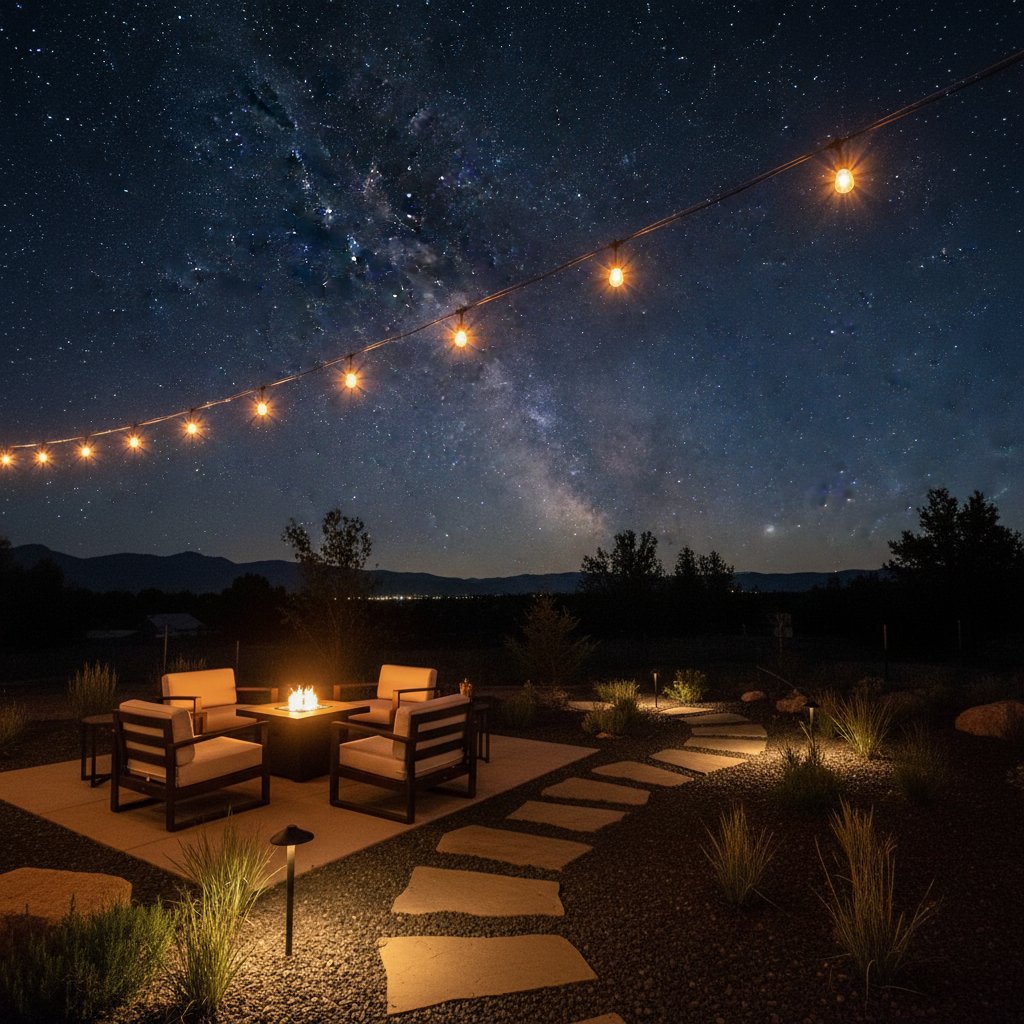
Determine lumen output based on the specific application to avoid over-illumination. Pathways benefit from 200 to 400 lumens per fixture, sufficient for safe navigation without overwhelming the space. Patios and seating areas require 400 to 600 lumens to foster a relaxed ambiance, while security zones around garages might use up to 800 lumens for clear visibility.
Color temperature influences both comfort and environmental impact. Bulbs rated at 2700 Kelvin produce a warm, amber-toned light akin to incandescent sources, reducing eye strain and minimizing atmospheric scattering. In contrast, higher Kelvin ratings above 4000 introduce a cooler, blue-white hue that exacerbates skyglow. Integrate LED options for longevity and efficiency, as they offer adjustable settings and last up to 50,000 hours with minimal heat output.
Smart Placement and Controls
Map out illumination zones to target essential features: position path lights at two- to three-foot intervals along walkways, ensuring even coverage without dark spots. For accentuating foliage or architectural elements, employ uplights angled no more than 10 degrees from vertical to graze surfaces rather than project skyward. Shield all fixtures with hoods or baffles to contain light within the desired footprint.
Incorporate automation for optimal performance. Programmable timers activate lights at dusk and deactivate at midnight, aligning with typical usage patterns. Motion-activated sensors trigger brief bursts of light upon detecting activity, ideal for perimeter security without constant operation. Dimmable systems allow customization; set lower levels for ambient dining and brighter for evening gatherings. Smart home integration via apps enables remote adjustments and energy monitoring.
Ongoing Maintenance
Regular upkeep preserves the effectiveness of your lighting system. Inspect fixtures quarterly for accumulations of debris, which can diffuse light unpredictably; wipe lenses with a soft cloth and mild soap solution. Replace bulbs promptly when output dims, and tighten connections to prevent flickering or failures.
Reassess placement annually, as seasonal growth in shrubs or trees may alter light paths. Adjust mounts or add diffusers if needed to maintain downward focus. Document your setup with photos to track changes over time, ensuring sustained compliance with dark-sky goals.
Benefits of a Star-Preserving Yard
Adopting dark-sky practices transforms your outdoor area into an efficient, eco-conscious haven. Enhanced safety through targeted lighting reduces accidents, while energy savings lower utility bills by up to 50 percent. Neighbors benefit from reduced trespass, fostering goodwill in the community.
Beyond practicality, this approach reconnects you with the cosmos. On clear nights, constellations emerge vividly, inviting stargazing from your own deck. Such mindful illumination honors the environment, supports nocturnal ecosystems, and elevates everyday outdoor experiences to something truly remarkable.