Privacy Screens That Also Yield Fresh Fruit
Walking through a yard that feels private and abundant brings deep satisfaction. The rustle of leaves, filtered light, and scent of ripening fruit turn even a small garden into a sanctuary. Many homeowners view privacy screens as tall fences or dense evergreen hedges. Living barriers can deliver more when planted with care.
The Concept of Edible Privacy Screens
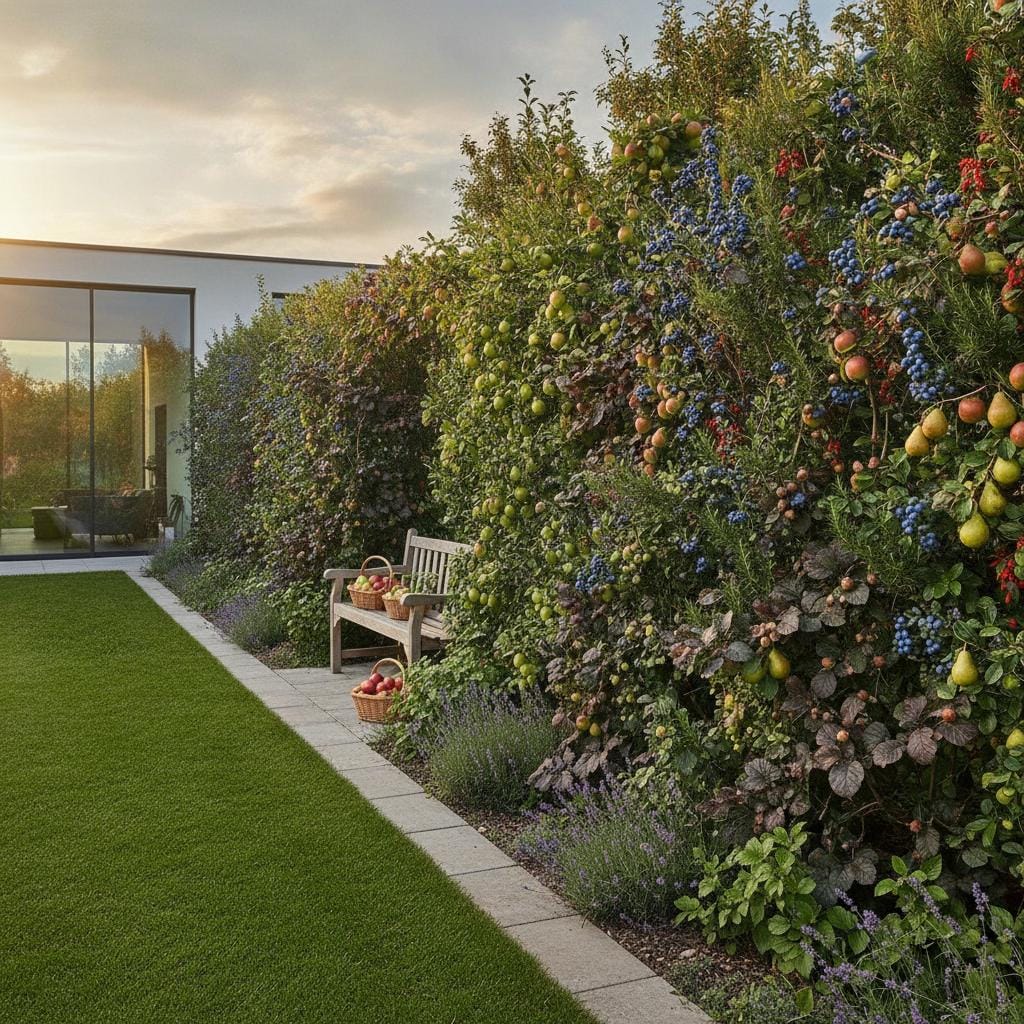
A privacy hedge need not remain purely ornamental. Fruit bearing shrubs and small trees form thick leafy screens that block views while producing fresh food. This method, known as edible landscaping, merges practicality with enjoyment. Every square foot of the yard performs multiple roles.
Instead of a row of sterile shrubs, the planting creates a living structure that shifts with the seasons. It draws pollinators and rewards maintenance with food picked directly from the branch.
Qualities of Effective Fruit Hedges
Select plants by considering structure first. Choose varieties that grow densely, tolerate pruning, and suit local soil and climate conditions. Fruit trees grafted onto dwarf or semi dwarf rootstocks suit smaller spaces well. Taller species or mixed plantings suit larger areas and add layers of texture.
Strong fruit hedges share these traits:
- Dense branching and foliage that block unwanted views.
- Good response to trimming that maintains shape and promotes fruiting.
- A mix of early, mid, and late season producers for extended harvests.
- Flowers that attract bees and fruit that supports birds.
Recommended Plants for Edible Screens
Some fruiting plants suit hedge use naturally. Others require training yet reward the effort. Consider these reliable options.
- Blueberries form thick leafy growth with spring flowers followed by clusters of blue fruit. They require acidic soil and perform best in groups.
- Currants and gooseberries stay compact and produce mid summer fruit suitable for jams or fresh eating.
- Aronia creates a hardy native screen with glossy leaves and deep purple fruit that tolerates varied conditions.
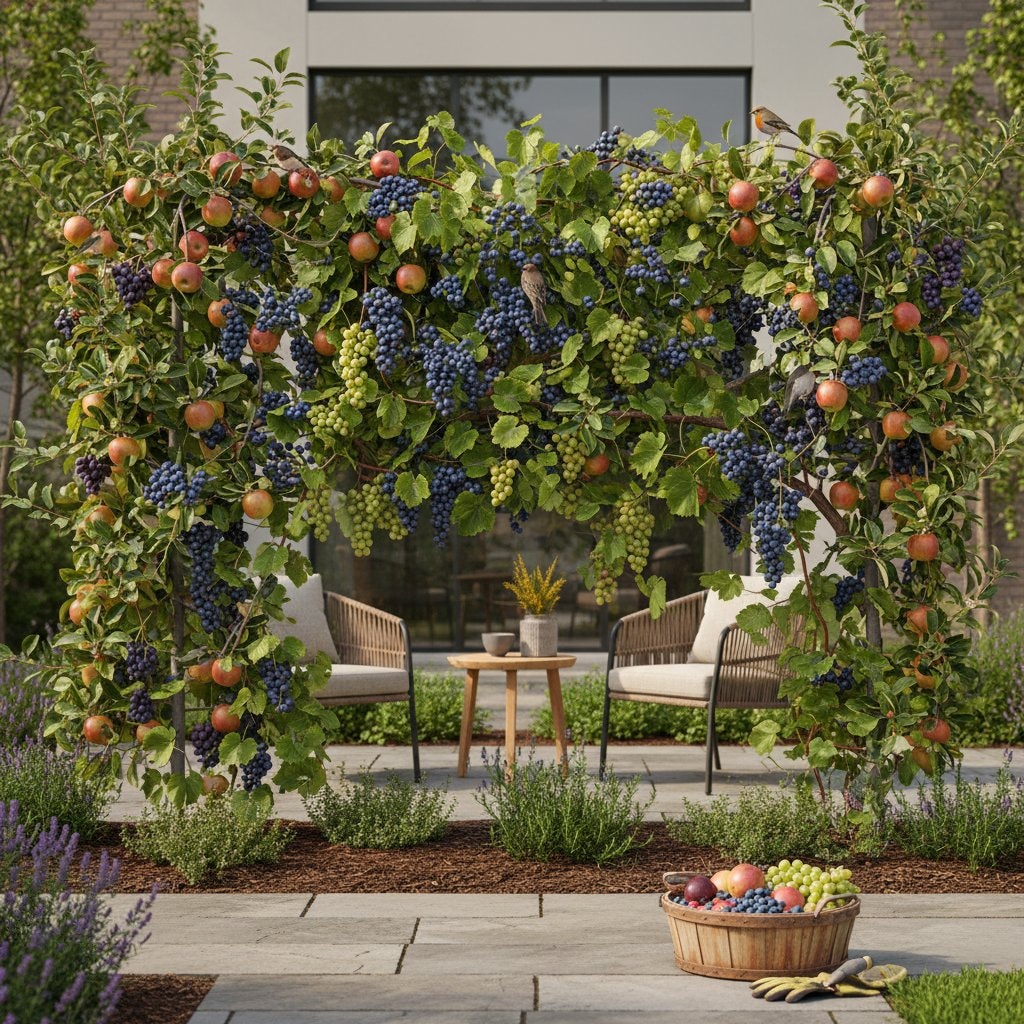
- Espaliered apples or pears trained along supports produce sculptural living walls that remain productive.
- Raspberries and blackberries grow quickly into barriers when supported by wires. They need seasonal pruning to remain contained.
- Pawpaw or dwarf plum trees offer broad leaves and a lush appearance along with distinctive fruit.
Design Approaches for Function and Appeal
Arrange plants with attention to color, texture, and growth habits. Combine evergreen backdrops with deciduous fruiting shrubs to maintain depth after leaf drop. Alternate species to reduce pest pressure and lengthen the harvest window.
Plant in a single row for a formal hedge or stagger rows for a woodland effect. Underplant with herbs such as thyme or chives to fill spaces and suppress weeds. Apply mulch to conserve moisture and maintain a tidy appearance.
Ongoing Care Practices
Fruit hedges require regular attention that fits the garden rhythm. Prune at appropriate times to sustain health and encourage fruiting wood. Water deeply during dry periods and renew mulch annually. Apply a top dressing of compost each year to supply nutrients.
Manage pests through observation and prompt action. Support beneficial insects, apply netting at peak fruiting, and remove diseased material quickly. The hedge gradually reaches balance and needs only light guidance.
Daily Life with a Living Screen
These screens encourage ongoing interaction through pruning, harvesting, and observation of shifting light. Birds visit for berries, bees collect nectar, and children discover the source of their food. Privacy shifts from isolation toward a personal connection with the landscape.
Install paths beside the hedge when space permits to make harvest a daily habit. Place a bench near a productive section for quiet rest. Fruit production makes the garden feel generous and returns value for the care provided.
Beginning the Project
Start with a modest section of mixed berry shrubs or one espaliered tree against a fence. Observe growth patterns, spatial effects, and alignment with site conditions. Expand gradually by repeating successful combinations suited to soil and light. Consistent repetition builds cohesion while keeping the work manageable.
An edible privacy hedge brings purpose to property edges. The screen that once only concealed views now supplies food, supports wildlife, and softens boundaries. Patience and planning turn the space into a source of nourishment in multiple ways.