Edible Hedges That Deliver Privacy and Fresh Produce
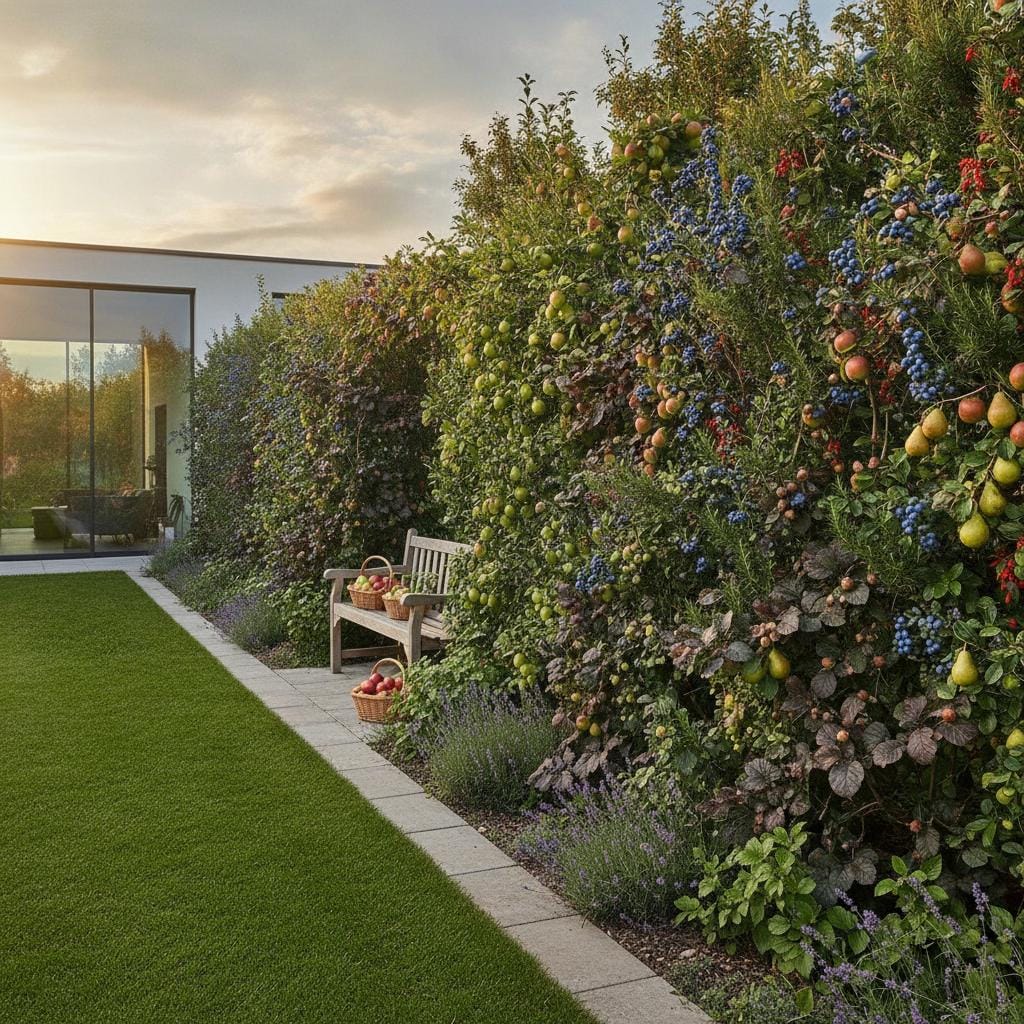
Many homeowners seek privacy without relying on plain fences or high-maintenance shrubs. Edible hedges meet this need by forming living boundaries that provide structure, seasonal beauty, and homegrown food. These plantings create a functional ecosystem that supports pollinators while supplying berries, herbs, and fruit for the table.
An edible hedge functions as a productive screen rather than a simple row of plants. It can be shaped to suit formal or informal landscapes. Over several seasons the planting matures into a reliable source of fresh produce and visual interest.
Selecting Suitable Plants
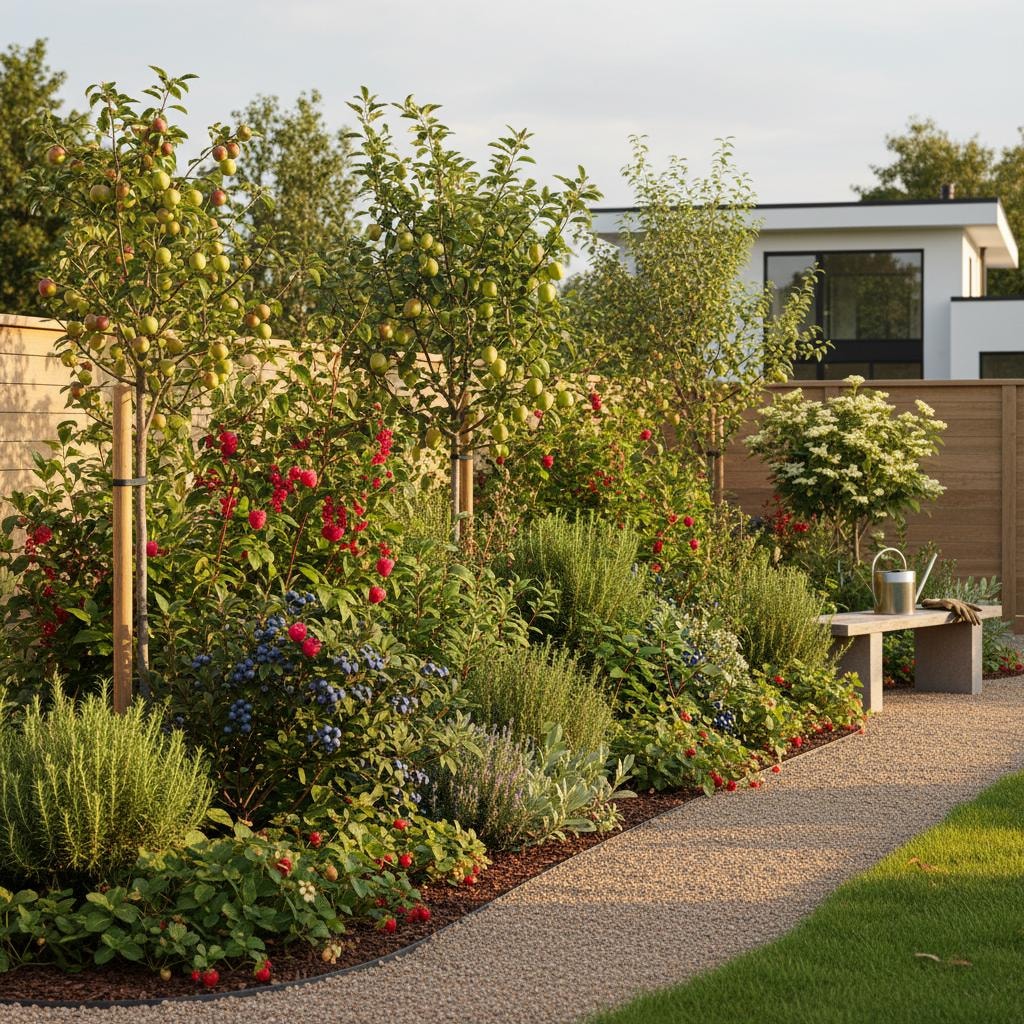
Choose plants that match local climate conditions and the amount of care available. Reliable performers combine dense growth for privacy with consistent yields. The following groups offer strong options for most yards.
Berry Bushes
- Blueberries form compact hedges in acidic soil and full sun. Space plants 3 to 4 feet apart to create a solid screen that produces fruit from early summer onward.
- Thornless raspberries and blackberries grow quickly and can be trained along a simple wire trellis. This training keeps the hedge narrow and accessible for harvest.
- Currants and gooseberries serve as lower layers in front of taller plants. They attract pollinators and supply tart fruit for preserves with minimal pruning.
Fruit Trees
Apple and pear trees trained as espaliers create vertical structure against a fence or wires. Plant them 6 to 8 feet apart and prune twice a year to maintain flat form and light penetration.
Plum and cherry trees can be pruned into informal hedges. Their spring flowers support pollinators, and the fruit ripens into crops suitable for fresh eating or cooking.
Herbs and Nut Shrubs
Rosemary and lavender provide evergreen foliage and fragrance in mild climates. Plant them as edging in front of taller fruiting species.
Hazelnut shrubs deliver dense screening and edible nuts once established. Bay laurel adds glossy evergreen leaves that supply culinary flavor while forming a slow-growing but durable barrier.
Site Preparation
Clear weeds and loosen soil to a depth of 12 inches along the planting line. Incorporate compost to improve drainage and nutrient retention. In wet areas, create a slight mound to prevent root rot. Apply a 2-inch layer of wood-chip mulch after planting to conserve moisture and suppress weeds.
Ongoing Maintenance
Pruning
Remove dead or crossing branches after fruiting to keep the hedge dense and productive. For cane fruits, cut out stems that have already borne fruit and retain new growth. Tie espalier shoots to the support wires and remove outward-facing branches.
Watering and Nutrition
Water deeply but infrequently once plants are established. Apply a fresh layer of compost each spring to replenish soil nutrients. Monitor for pests and encourage beneficial insects by maintaining plant diversity. Use insecticidal soap only when necessary to protect pollinators.
Seasonal Tasks
In spring, inspect for winter damage and apply light fertilizer. During summer, harvest ripe fruit regularly and water during dry periods. In autumn, mulch beds and plant new additions while soil remains warm. Winter offers time to plan expansions and maintain tools.
Long-Term Benefits
A mature edible hedge supplies steady harvests and reduces reliance on conventional fencing. Regular small tasks such as light pruning and seasonal mulching keep the planting healthy and attractive. Neighbors often appreciate shared produce, turning the boundary into a community asset.