Design Stunning Edible Perennial Borders for Your Garden
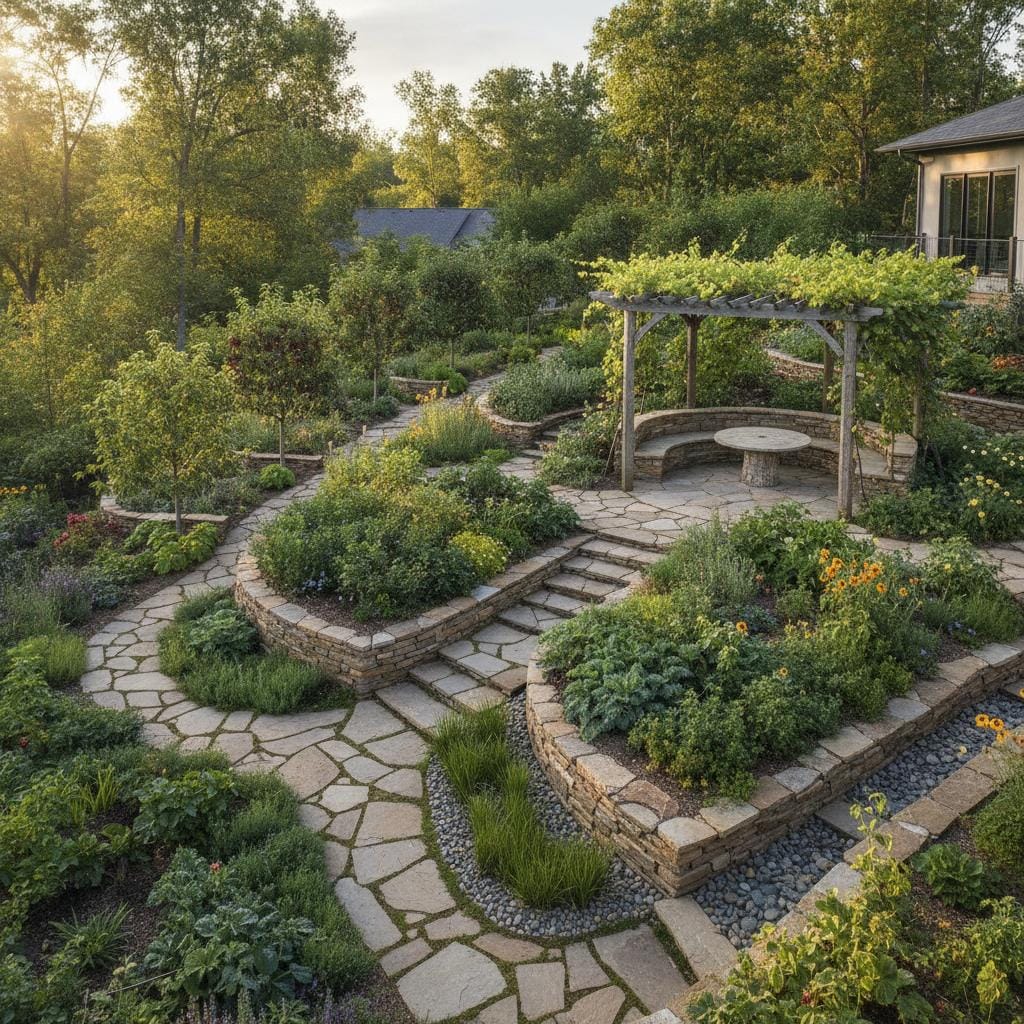
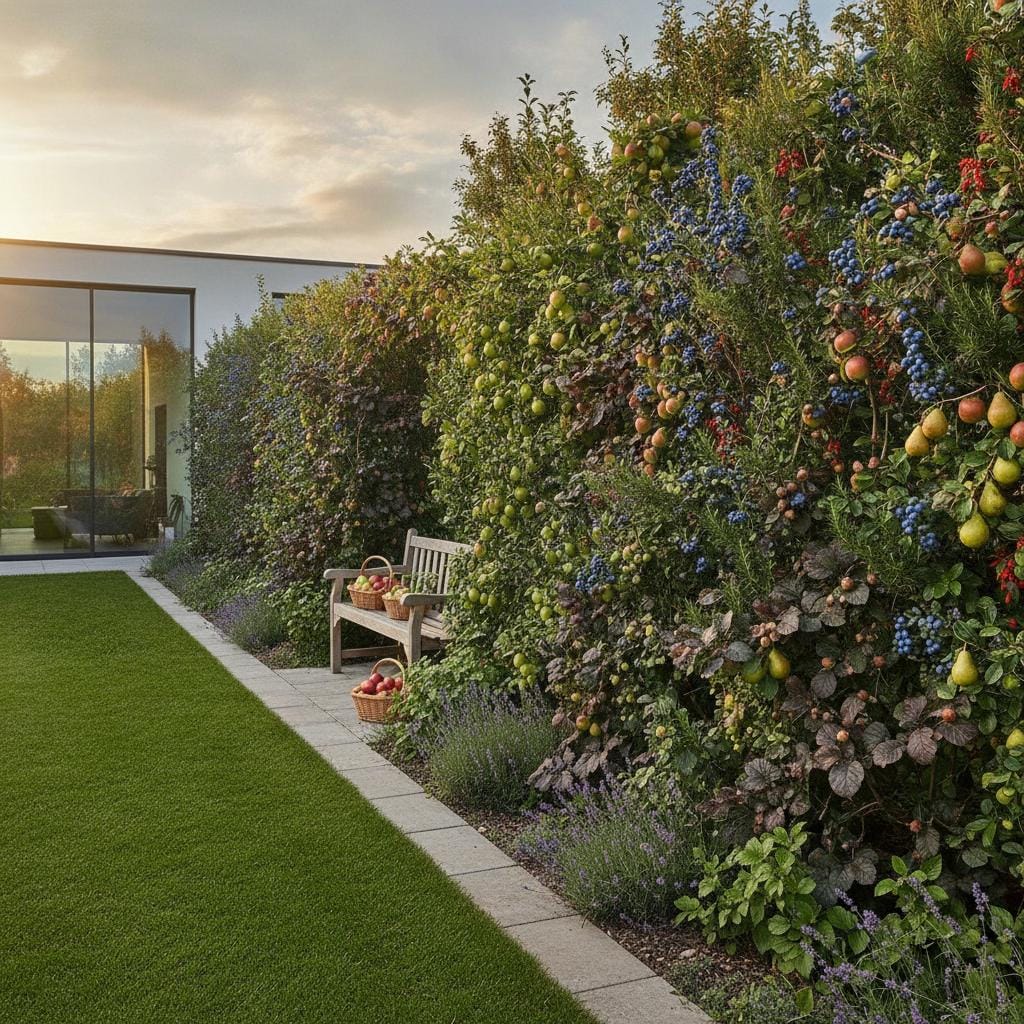
There is something deeply satisfying about walking through a garden that feeds both the eyes and the table. A border that blends ornamental beauty with edible abundance can transform an ordinary yard into a living pantry. Over the years many gardeners have discovered that edible landscaping involves no compromise. It involves harmony.
When done thoughtfully a perennial border filled with edible plants can be just as graceful and structured as any traditional flower display.
Seeing Beauty in Utility
Many people picture vegetable gardens as rigid rows of greens and soil tucked away from the main landscape. Yet edible perennials offer a different story. These plants return year after year. They settle into the rhythm of the garden and soften the line between beauty and function.
Rhubarb with its bold leaves and crimson stalks stands as proudly as any ornamental. Herbs like rosemary and sage add texture fragrance and subtle color shifts that change with the season. Even asparagus can form a feathery backdrop once the harvest period passes.
The idea is not to disguise these plants but to celebrate their character. When you design with them intentionally they bring a sense of permanence and rhythm that annual vegetables rarely achieve.
Choosing the Right Plants
When planning an edible perennial border think of the plants as layers in a composition. Each one contributes its own form color and texture.
Consider these general layers:
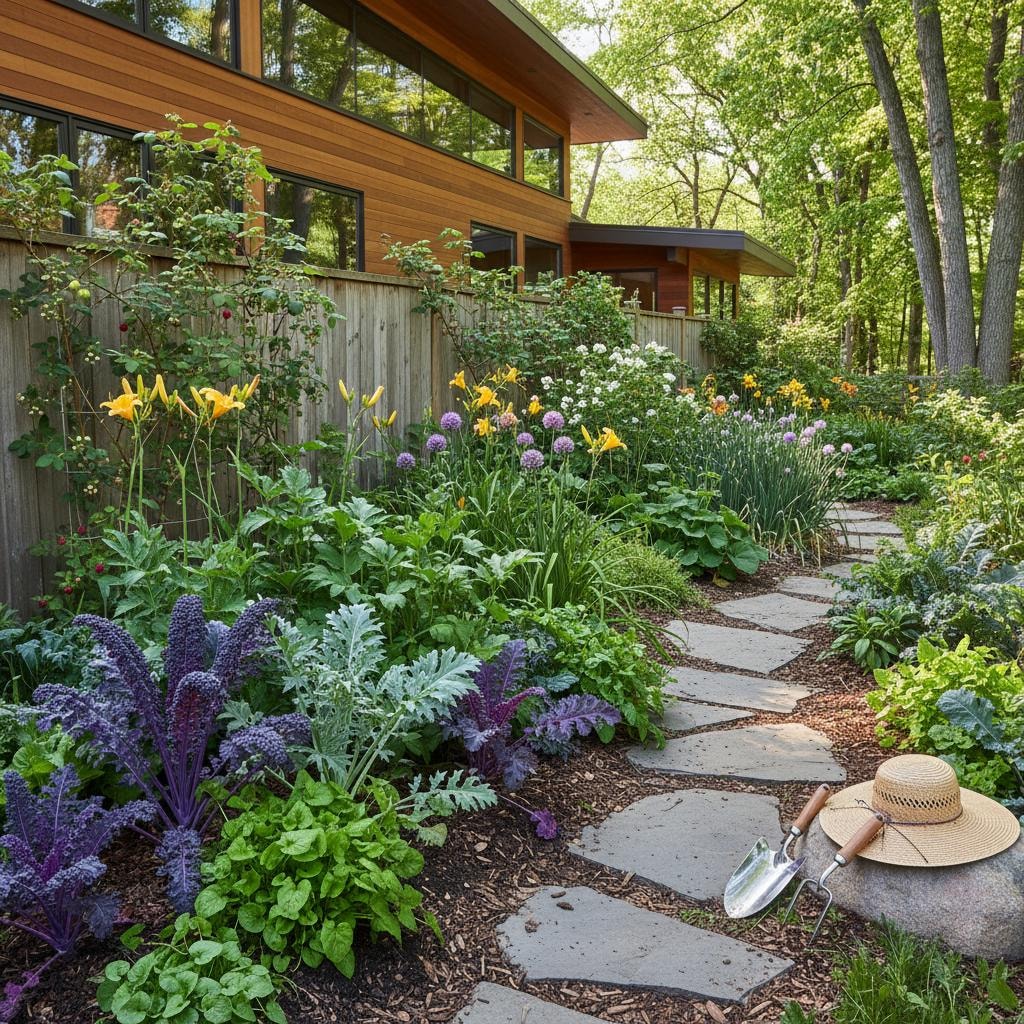
- Tall anchors: Artichokes lovage and perennial kale provide structure and height.
- Mid level fillers: Herbs like thyme oregano and chives create fullness and scent.
- Ground covers: Strawberries creeping sorrel and alpine strawberries soften edges and suppress weeds.
- Accent plants: Edible flowers such as daylilies and violets add charm and color contrast.
A mix of shapes and foliage types keeps the planting interesting even when not much is blooming. Look for plants that thrive in your climate and soil. Group those with similar light and water preferences. Perennial vegetables are resilient but they still respond best to conditions that suit their nature.
Blending Form and Function
A well designed edible border feels cohesive. Repetition helps create that sense of order. Choose one or two plants to repeat at regular intervals letting them guide the eye through the space. For instance repeating clusters of sage or lavender at even spacing can tie the border together no matter what else is growing in between.
Texture also plays a quiet but vital role. Broad leaves of rhubarb or hosta contrast beautifully with the fine texture of chives or fennel. This interplay gives the border depth especially when viewed from different angles. The goal is to balance variety with unity so the garden feels both lively and calm.
Color and Seasonality
Color carries emotional weight in any garden. With edible perennials you can use it to create subtle shifts throughout the growing season. Deep greens of kale silver tones of sage and burgundy hues of amaranth or sorrel weave a natural palette that changes as sunlight and growth patterns shift. Try pairing plants that echo each others tones or provide gentle contrast without overwhelming the eye.
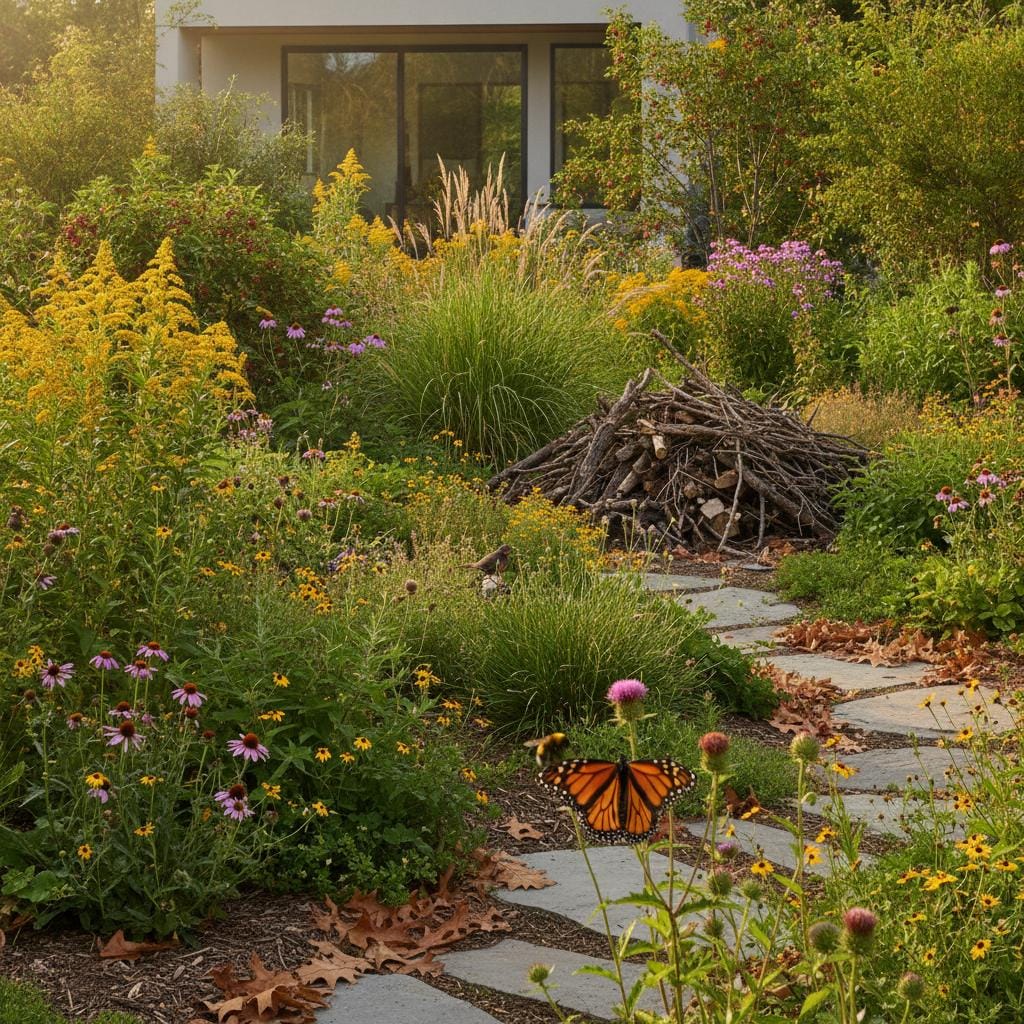
Since perennials stay for many years think about how the border will look beyond the harvest. Many edible plants offer beautiful seed heads or winter silhouettes. The spent flower stalks of chives or the airy fronds of fennel can add structure even when the rest of the garden rests.
Starting Small and Growing Confidently
It can be tempting to redesign an entire border in one go but starting small often leads to better results. Choose one section of the garden and work it into an edible display. Observe how the plants settle in how they interact and how they affect the overall look of the space. Over time you can expand the design with greater confidence. This gradual approach allows your border to evolve naturally and keeps the process enjoyable rather than overwhelming.
Living with Your Design
An edible perennial border is more than a decorative feature. It asks you to engage with it. Gardeners harvest herbs for cooking cut greens for salads and watch pollinators wander through the mix. Maintenance becomes less about chores and more about caretaking. A little pruning occasional division and seasonal feeding are usually all that is needed to keep the plants thriving.
As the years pass the border will mature into something layered and full of character. Each plant contributes to a shared story of growth and renewal. That is the quiet beauty of edible landscaping. It teaches patience and rewards attention. Whether your garden is large or modest even a single row of perennial edibles can bring a sense of abundance that feels both comforting and inspiring.