Minimize Glare and Light Pollution Through Dark Sky Lighting
Outdoor illumination enhances home security, accentuates landscape features, and cultivates an inviting atmosphere after sunset. However, excessive or misdirected lighting generates glare, squanders energy, and obscures celestial views. Dark sky lighting provides an effective solution to relish outdoor areas while preserving the inherent nocturnal setting.
This method emphasizes precise light direction to essential areas, thereby curtailing glare and mitigating light pollution. It bolsters visibility, conserves power, and aids wildlife reliant on natural darkness. The following sections explain its principles and outline practical home implementation strategies.
Key Characteristics of Dark Sky Compliant Lighting
Dark sky lighting prioritizes precise control. The objective involves channeling light downward and restricting intensity to essential levels. Fixtures meeting these standards typically incorporate several essential attributes:
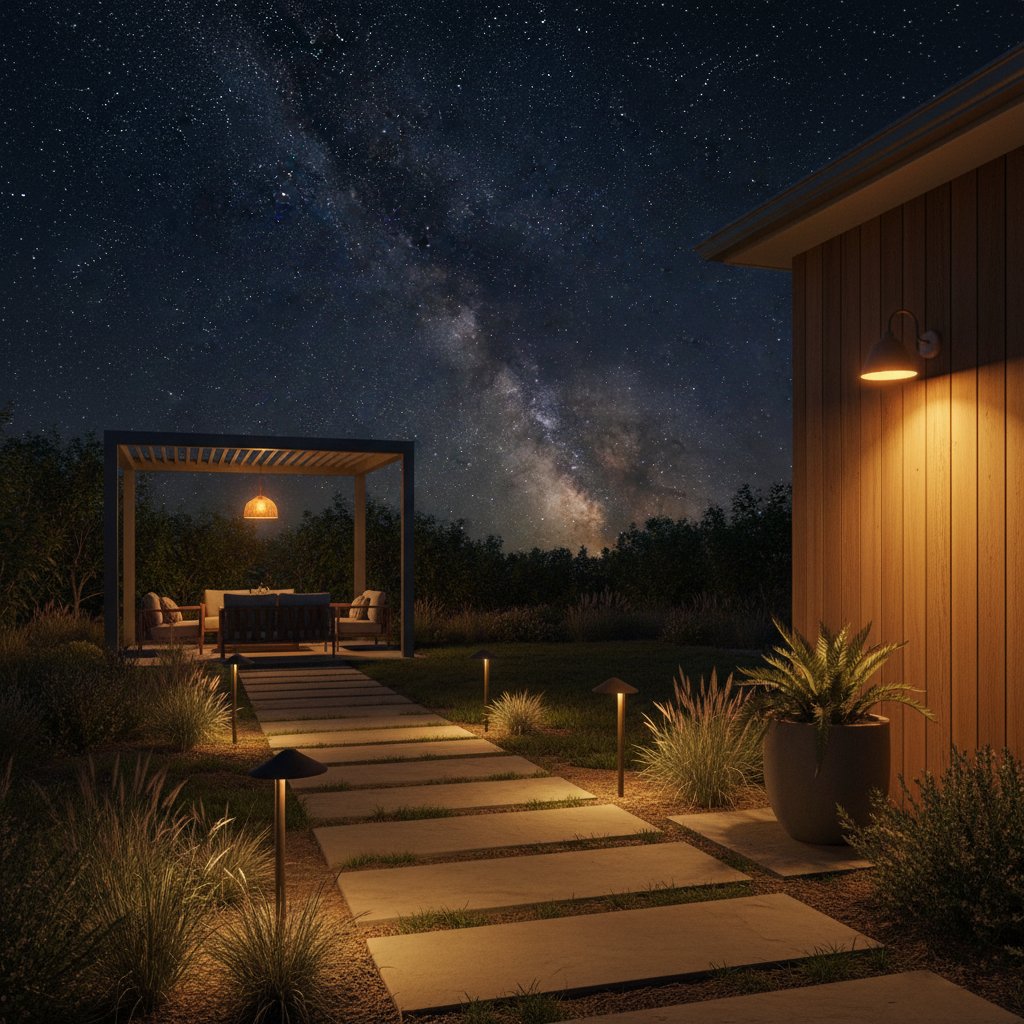
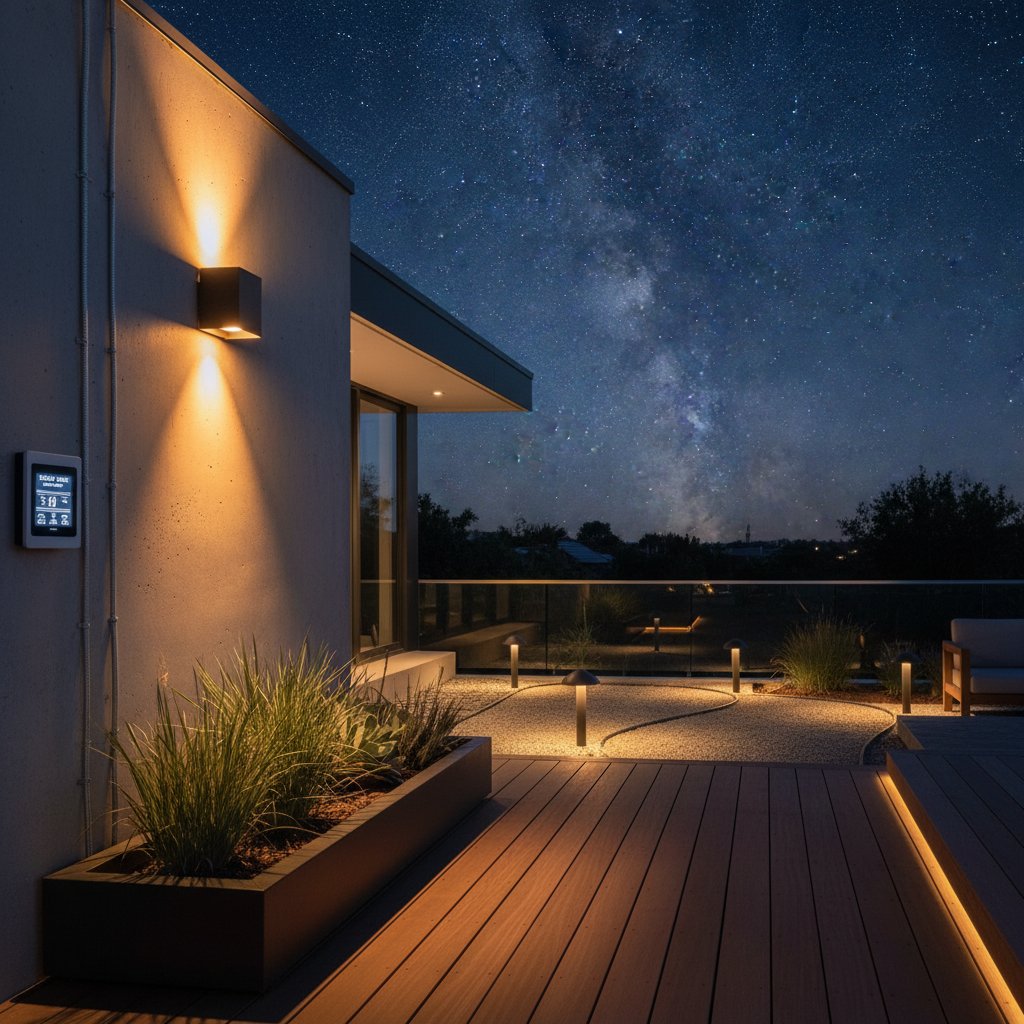
- Full Cutoff Shielding: These designs prevent light from spilling above the horizontal level. Ground-level illumination occurs without direct eye exposure to harsh beams.
- Warm Color Spectrum: Bulbs operating at under 3000 Kelvin emit a gentle, amber hue. Such lighting proves less straining on human vision and minimally interferes with animal behaviors.
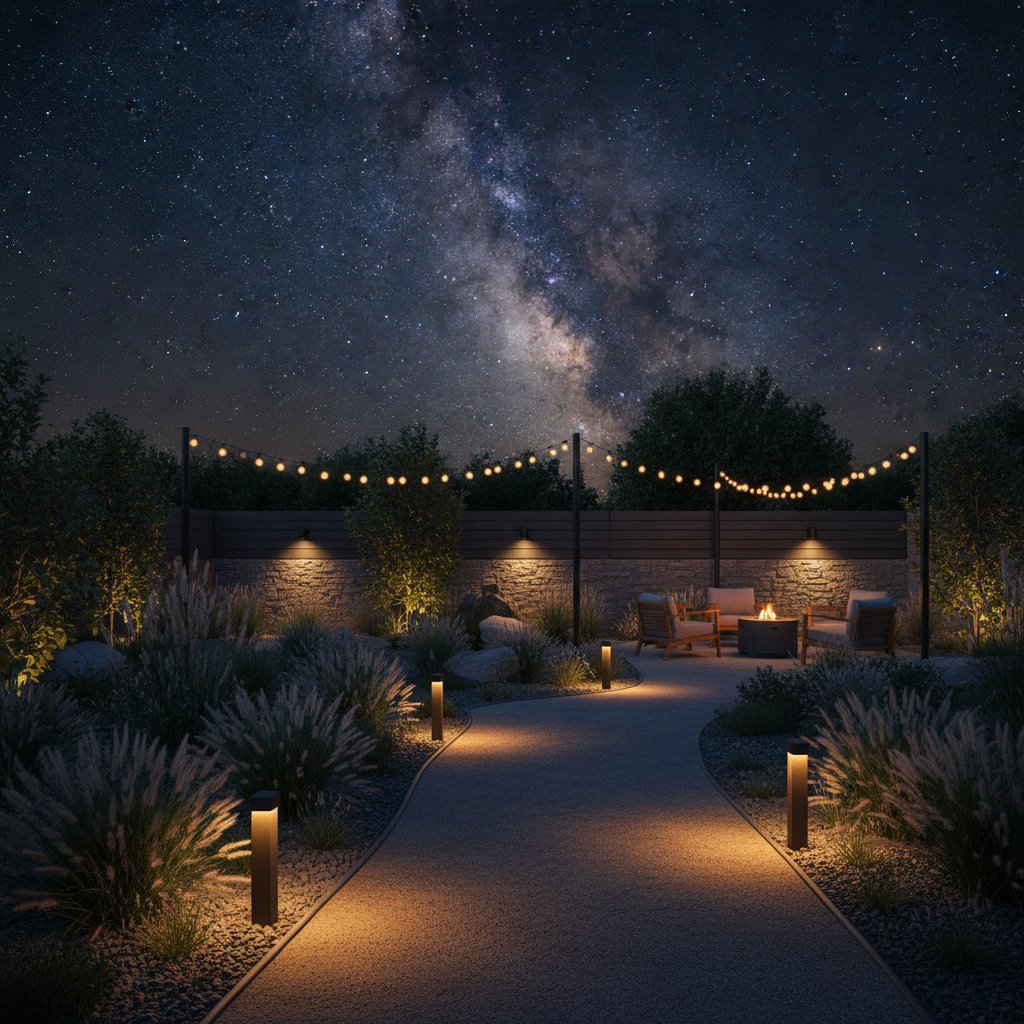
- Strategic Positioning: Install lights solely in high-traffic zones like walkways, entrances, and parking areas. Avoid placements near foliage or expansive overhead spaces.
- Intelligent Automation: Integrate timers, motion detectors, and dimming mechanisms to activate lighting only during necessary periods.
These elements collectively elevate sightlines while curbing energy consumption. The resulting illumination appears more soothing and authentic, allowing unobstructed appreciation of the overhead sky.
Ecological and Wellness Advantages
Dark sky lighting extends beyond mere visibility enhancements. It delivers substantial environmental and personal health gains.
- Safeguarding Wildlife: Numerous organisms depend on darkness for orientation, foraging, and repose. Artificial illumination disrupts avian migration, insect pollination, and mammalian routines. Shielded setups enable adherence to innate cycles.
- Power Conservation: Targeted direction permits employment of reduced-wattage options and minimized fixture counts. Consequently, utility expenses decrease alongside diminished greenhouse gas emissions.
- Enhanced Rest Quality: Intrusive outdoor glow can infiltrate sleeping quarters and interrupt biological clocks. Opting for subdued, warmer tones supports rhythmic sleep patterns.
- Broader Societal Gains: Widespread adoption in residential areas yields collective advantages. Celestial displays reemerge, fostering a serene nocturnal ambiance.
Individual modifications thus amplify larger-scale ecological impacts.
Choosing Optimal Bulbs
Bulb selection rivals fixture choice in importance. Seek products exhibiting these qualities:
- Soft White or Amber Shades: Temperatures between 2700 and 3000 Kelvin produce inviting warmth and suppress blue wavelengths.
- LED Superiority: These sources consume minimal power and endure extended durations compared to incandescent alternatives. They facilitate fine-tuned intensity adjustments.
- Balanced Output Levels: Pathway or entry lighting suffices with 400 to 800 lumens. Excessive brightness proves unnecessary and counterproductive.
- Adjustable Dimming: Variable settings accommodate evolving evening requirements, from full activation to subtle glows.
Steer clear of potent, high-blue-output varieties labeled as daylight or cool white. Such options exacerbate visual discomfort and atmospheric haze.
Budget and Setup Factors
Transitioning to dark sky lighting requires minimal financial outlay. Homeowners often achieve improvements through incremental, cost-effective measures.
- Modifying Current Installations: Incorporate baffles, hoods, or upgraded bulbs to block upward spill. These alterations demand mere hours and modest investment.
- Acquiring Modern Units: Compliant models cost between twenty and one hundred dollars each, scaled by dimensions and aesthetics.
- Expert Assistance: For electrical or structural needs, anticipate charges for one to two hours of skilled labor per unit.
- Return on Investment: LED integrations slash electricity usage by up to seventy percent, yielding long-term savings.
Phase upgrades progressively. Prioritize prominent zones before addressing secondary spaces as funds permit.
Upkeep and Durability
Dark sky systems demonstrate extended service life owing to efficient LEDs and usage-limiting controls. Routine maintenance ensures sustained performance.
- Wipe lenses and enclosures seasonally to eliminate accumulations of dirt and particles.
- Inspect weatherproofing elements to exclude water ingress.
- Recalibrate sensors and schedules with seasonal light variations.
- Substitute expired bulbs matching original spectral profiles for uniform output.
Such diligence preserves operational efficiency and aesthetic harmony across seasons.
Neighborhood and Estate Enhancements
Collective embrace of dark sky principles elevates community standards. Evenings grow tranquil, consumption falls, and stellar vistas sharpen. Real estate appeal rises as landscapes convey sophistication and ease.
Municipalities and associations may provide rebates or commendations for compliant initiatives. Engagement enhances personal satisfaction and highlights property advancements.
Steps to Adopt Dark Sky Lighting
To curb glare and atmospheric intrusion, initiate modest changes. Substitute a single intense light with a shielded, warm alternative and observe immediate effects. Gradually incorporate solutions along trails, patios, and floral arrangements based on observed efficacy.
Consult nearby garden specialists or illumination experts for certified options. They advise on designs complementing architectural styles while upholding sky clarity.
Intentional illumination merges security with elegance. Selecting appropriate components safeguards stellar perspectives, nurtures ecosystems, and crafts tranquil exteriors. Progressive refinements cultivate a harmonious, restful, and authentically nocturnal residence.