Restore Stargazing in Your Backyard with Dark Sky Lighting
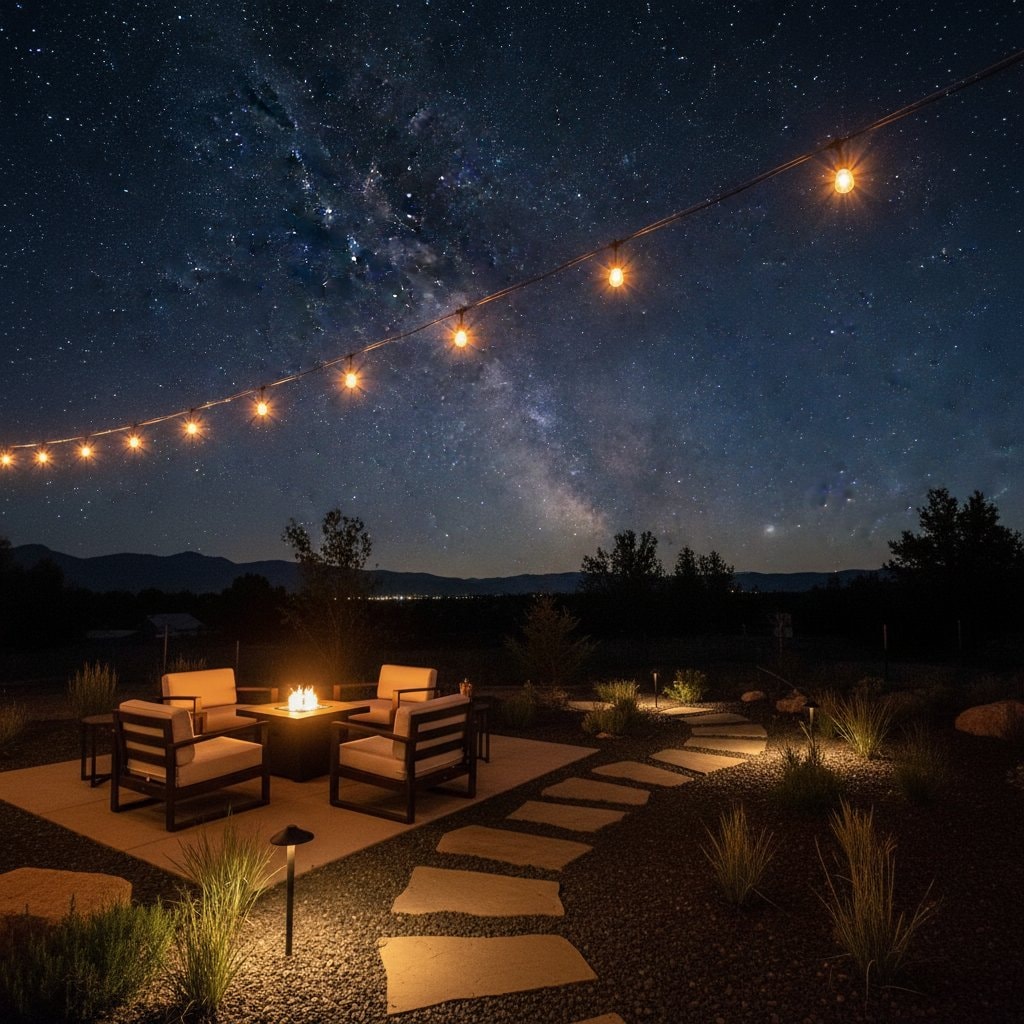
Step outside on a clear evening and observe the sky above your yard. Often, only a few stars appear amid a hazy glow from nearby lights, porches, and streets. Recall moments when the Milky Way dominated the view and the night held a profound peace. Dark sky lighting addresses this loss by reclaiming the celestial display while maintaining a secure and appealing outdoor environment.
This method emphasizes precise light application rather than elimination. It reduces upward spill and energy waste, allowing the natural night to prevail. Implement targeted adjustments to balance illumination with the sky's inherent beauty.
The Impact of Light Pollution
Light pollution refers to excessive or misdirected artificial light that obscures the night sky and interferes with ecological patterns. Sources include fixtures that emit light skyward, creating persistent brightness. Such illumination disrupts animal behaviors, human sleep cycles, and plant physiology over extended periods.
Key forms include:
- Skyglow: A diffuse haze that conceals stars and imparts a uniform pallor to the heavens.
- Glare: Intense beams that strain eyes and impair sight.
- Light trespass: Unintended illumination entering unwanted spaces, such as adjacent properties or indoor areas.
- Clutter: Overlapping beams from multiple sources that produce visual disarray.
Dark sky lighting counters these effects by prioritizing controlled distribution. Focus on purpose-driven placement to illuminate essential areas without compromising the overhead vista.
Designing an Effective Dark Sky Lighting Plan
Develop a lighting strategy with clear objectives. Assess evening yard usage to identify paths, seating areas, or focal points requiring light. Illuminate only functional zones, leaving others in gentle shadow to preserve darkness.
Direct Light Precisely
Select full-cutoff fixtures that shield bulbs and direct beams downward. These designs confine light to ground level, forming defined pools that avoid skyward escape. Position them at a 10- to 15-degree tilt from vertical for optimal coverage without spillover.
Select Warm Color Temperatures
Opt for bulbs rated at 2700K to 3000K, which emit amber hues similar to incandescent light. These tones reduce eye fatigue and integrate seamlessly with natural surroundings. Avoid higher Kelvin ratings that produce stark, blue-tinted light.
Incorporate Lower Wattage Options
Employ LED bulbs under 5 watts for pathways and accents, providing sufficient visibility without excess brightness. Combine multiple low-output fixtures to layer light, creating ambiance and shadows that enhance depth. This technique prevents a flat, overlit appearance.
Integrate Automated Controls
Install motion-activated sensors to activate lights upon detecting movement within 20 feet, conserving energy during idle periods. Use programmable timers to deactivate systems after midnight, aligning with peak stargazing hours. Dimmers enable brightness adjustments from 10% to 100%, adapting to specific activities like dining or reading.
Sustaining Your Lighting System
Treat outdoor lighting as an ongoing endeavor. Seasonal growth and usage shifts necessitate periodic reviews. Monitor fixture performance, as accumulated debris can alter light output and color fidelity.
Conduct maintenance quarterly by cleaning lenses with a soft cloth and mild soap solution. Replace bulbs when they dim below 80% efficiency, typically every 25,000 hours for LEDs. These steps ensure consistent performance and alignment with dark sky principles.
Reevaluate the layout biennially after dusk. Check for over-illuminated spots or shadowed hazards caused by new plantings or repositioned elements. Minor tweaks, such as repositioning a fixture by six inches, maintain equilibrium.
Practical Strategies for a Star-Preserving Yard
Adopt these routines to harmonize utility and aesthetics:
- Deactivate non-essential lights upon entering the home; a single porch bulb can contribute to skyglow.
- Deploy solar LED path markers with dusk-to-dawn sensors for automatic, low-impact guidance.
- Install native evergreens or dense hedges to shield against external light intrusion and soften fixture outlines.
- Organize group observations under the stars to highlight improvements and foster appreciation.
- Share resources on dark sky practices with neighbors, encouraging collective adoption for broader sky recovery.
Cumulative actions yield noticeable results. Pair intentional setup with routine upkeep to foster a tranquil, star-visible retreat.
Experience the Transformation in Your Outdoor Space
Refine your setup and witness ecological responses. Nocturnal flowers resume their cycles unhindered, drawing moths and bats essential for pollination. The yard regains a vital pulse, synchronized with lunar phases and seasonal shifts.
Dark sky lighting establishes an equilibrium in your surroundings. It revives nocturnal enigma and accentuates restrained illumination. Security and tranquility coexist through deliberate choices in light direction and intensity.
On the next starry evening, venture forth and gaze upward. Appreciate the subdued yard contours, the silhouetted foliage, and the expanding stellar array. Dark sky lighting fulfills this vision, unveiling enduring wonders and infusing your home with celestial poise.