Understanding Dark-Sky Lighting
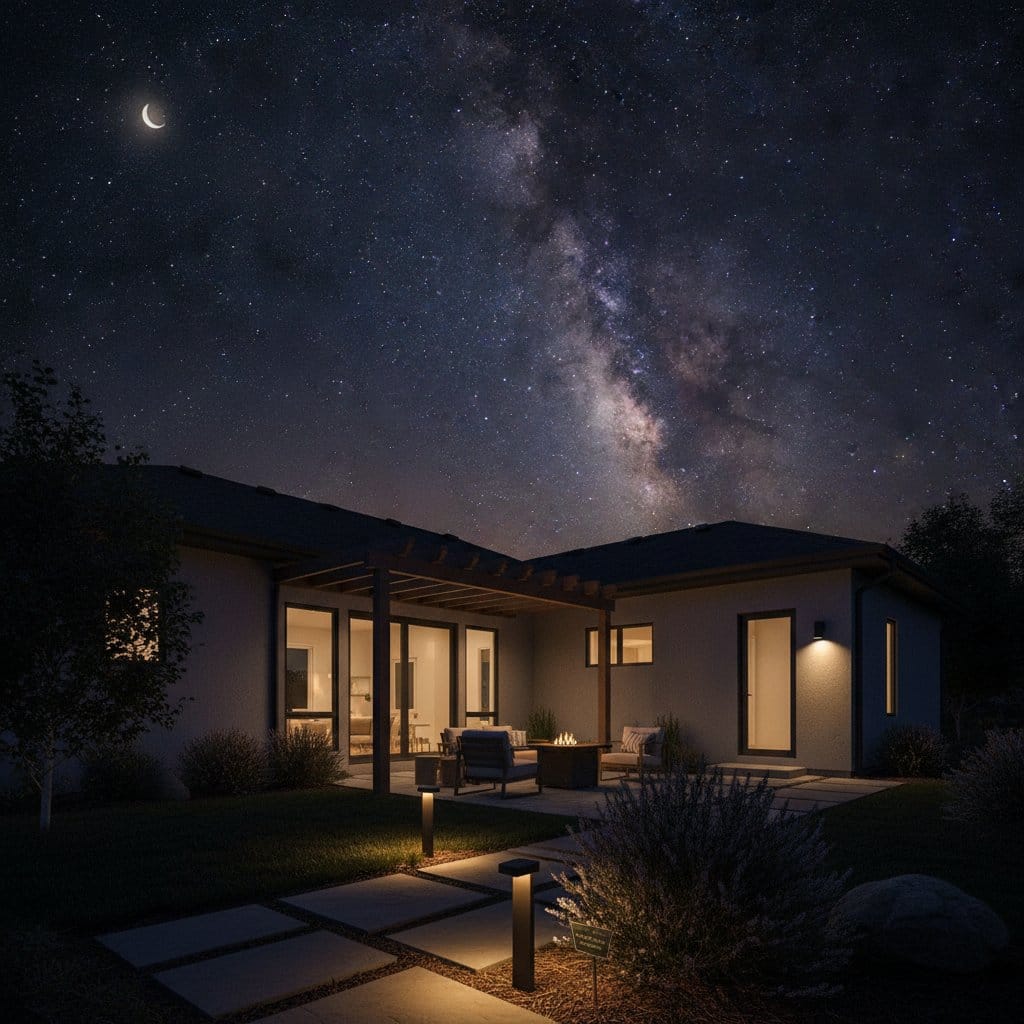
Dark-sky lighting refers to outdoor illumination designed to minimize light pollution while providing functional and aesthetic benefits. This approach uses shielded fixtures that direct light downward, preventing upward spill that obscures stars and disrupts ecosystems. By adopting these principles, homeowners create inviting yards that respect the natural night environment.
The benefits extend beyond stargazing. Such lighting reduces energy consumption, lowers utility bills, and supports local wildlife by preserving natural darkness. Communities increasingly promote dark-sky standards to combat urban glow, making it a timely choice for modern landscapes.
Selecting the Right Fixtures
Begin with fixtures certified by the International Dark-Sky Association, which ensure full shielding and precise light control. Look for models made from durable, weather-resistant materials like bronze or stainless steel to withstand outdoor conditions. These choices guarantee longevity and performance.
Opt for warm-toned LED bulbs with color temperatures below 3000 Kelvin, labeled as wildlife-friendly to avoid attracting insects or disturbing nocturnal animals. Avoid bright white lights that create harsh contrasts. Instead, select bulbs with high color rendering indexes for accurate representation of plants and features.
Consider the scale of your yard when choosing sizes. Path lights should stand 12 to 18 inches tall, while accent lights for trees or sculptures range from 24 to 36 inches. Test samples in your space during twilight to assess glow and coverage.
Planning an Efficient Layout
Map your yard to identify key areas: pathways for safety, focal points like patios or water features, and boundaries to define the space. Position lights to illuminate without overlapping beams, ensuring even distribution. This prevents dark spots and excessive brightness.
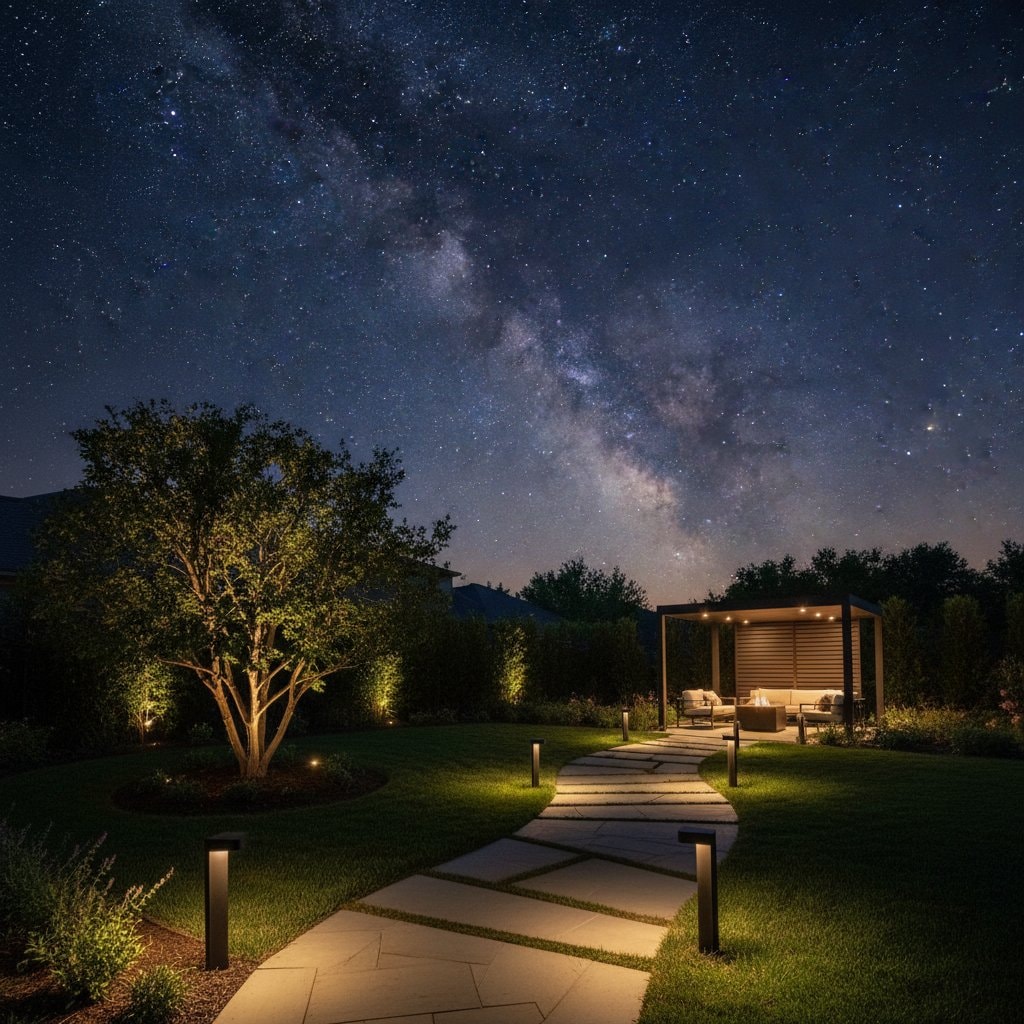
Incorporate zoning for different needs. Use low-level bollards along walkways to guide footsteps without blinding glare. For entertaining areas, install uplights sparingly to accentuate architectural elements or foliage, directing beams away from neighboring properties.
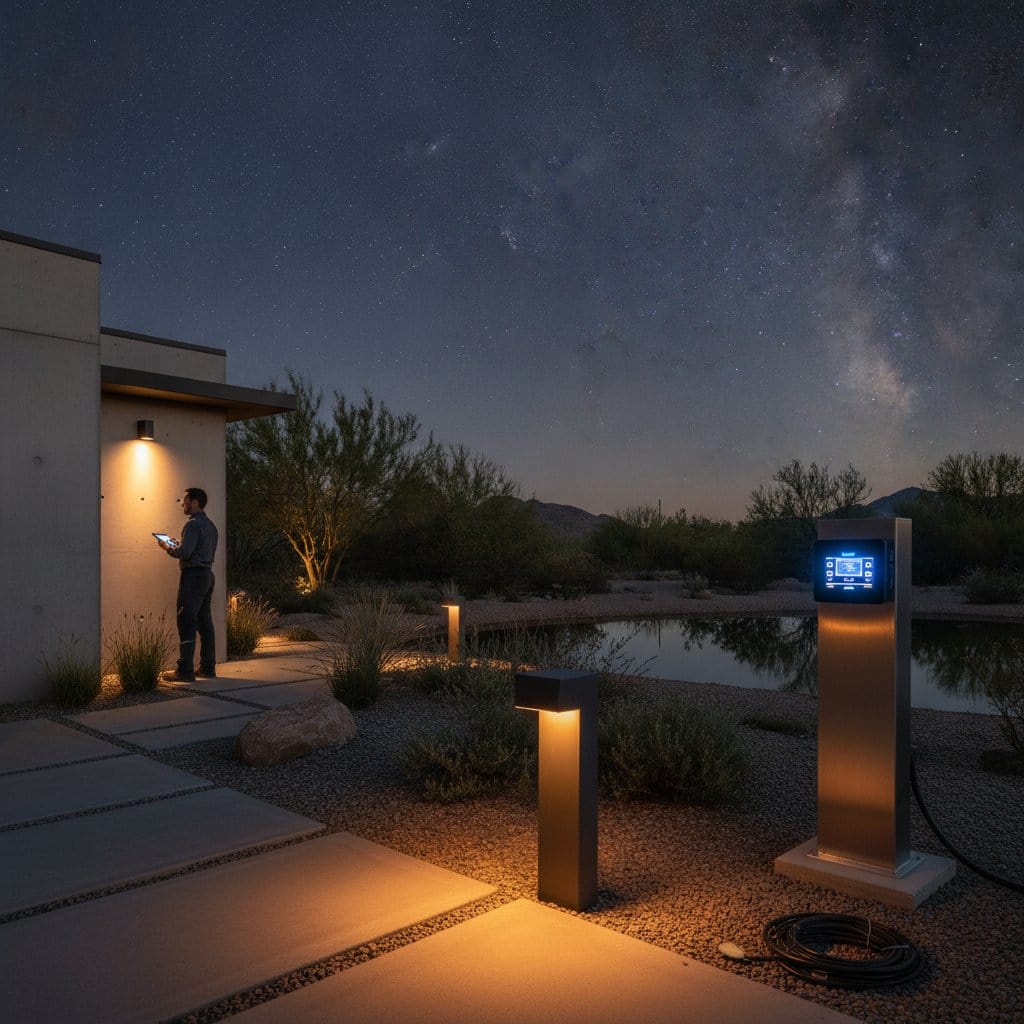
Integrate smart controls from the start. Timers automate on-off cycles aligned with sunset and sunrise, while motion sensors activate lights only when needed in peripheral zones. This setup saves energy and enhances security without constant illumination.
Installation Best Practices
Professional installation ensures optimal performance, but DIY enthusiasts can succeed with careful preparation. Start by burying low-voltage cables 6 to 12 inches deep to protect against damage. Use transformers rated for your total wattage, placing them in dry, accessible locations.
Aim fixtures precisely during setup. Adjust angles so light spills no more than 10 degrees beyond the intended surface, keeping beams parallel to the ground. Secure mounts to stable bases, avoiding trees or structures that shift with growth or weather.
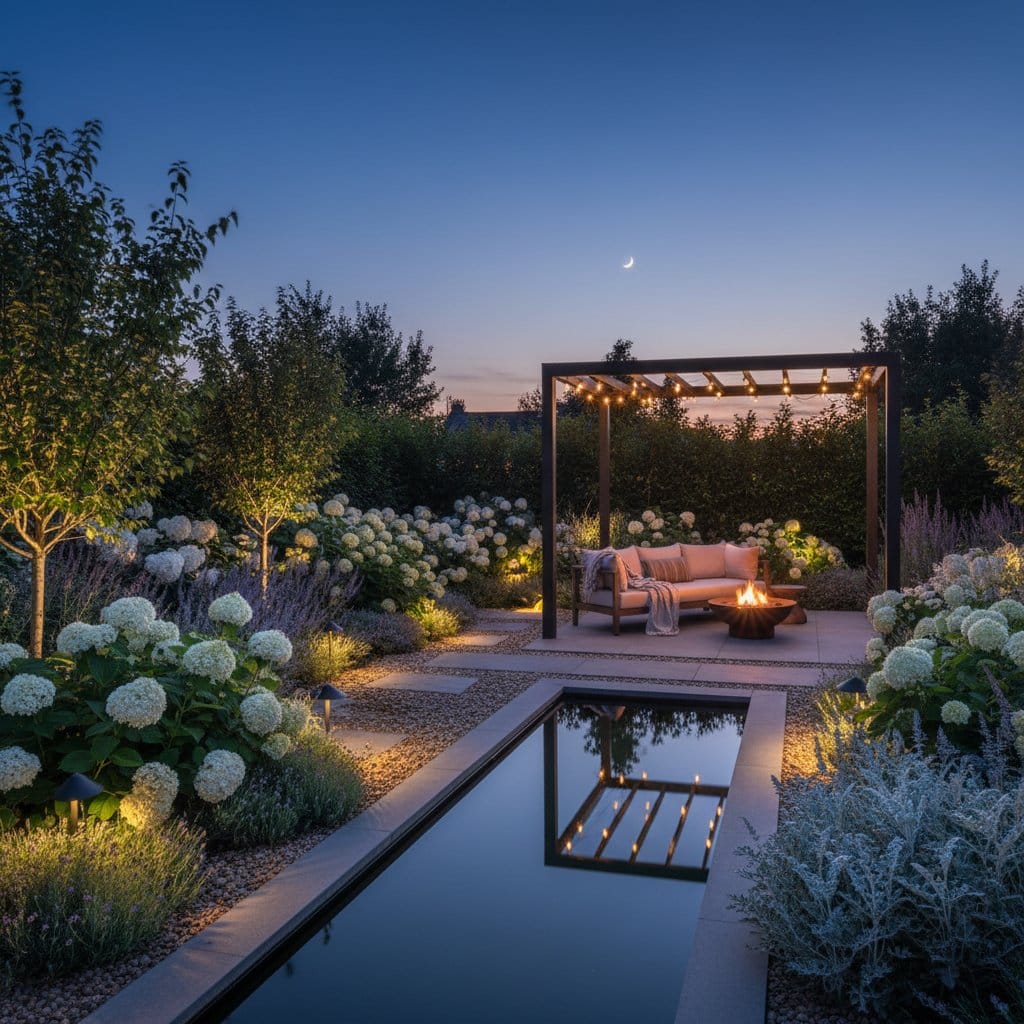
Protect sensitive areas by directing light away from ponds, bird habitats, or neighboring windows. Install shields or baffles on existing lights as a retrofit option. Test the system at night before finalizing to refine coverage and eliminate stray light.
- Choose warm-toned bulbs labeled as wildlife-friendly to minimize ecological disruption.
- Turn off decorative lights overnight or during quiet hours to preserve darkness.
- Use motion sensors for areas that do not need constant illumination, promoting efficiency.
- Keep light away from ponds or natural habitats to safeguard aquatic and terrestrial life.
Maintaining Your Dark-Sky System
Regular upkeep preserves the effectiveness of your lighting. Inspect fixtures every few months for accumulated dirt, corrosion, or misalignment, cleaning with mild soap and a soft brush. This prevents dimming and maintains uniform output.
Replace burned-out bulbs promptly to avoid uneven lighting that could cause shadows or hazards. Stock spares matching your original specifications for quick swaps. Monitor LED lifespans, typically 25,000 to 50,000 hours, and upgrade as technology advances.
Adjust aiming seasonally as plants grow or landscape features evolve. Recheck timers and sensors to synchronize with changing daylight patterns, extending shutoff times in summer and shortening them in winter. After storms, verify that fixtures remain securely mounted and operational.
Experiencing the Rewards of Thoughtful Illumination
A well-implemented dark-sky system turns your yard into a tranquil extension of your home. Stroll safely along glowing paths, host gatherings under subtle highlights, or relax with the soft ambiance that invites contemplation. The preserved starry canopy above adds a sense of wonder to everyday evenings.
This approach not only enhances visual appeal but also contributes to broader environmental health. Reduced light pollution supports migratory birds, pollinators, and human circadian rhythms. Over time, your investment yields a harmonious space that evolves with your needs, blending functionality with natural serenity.