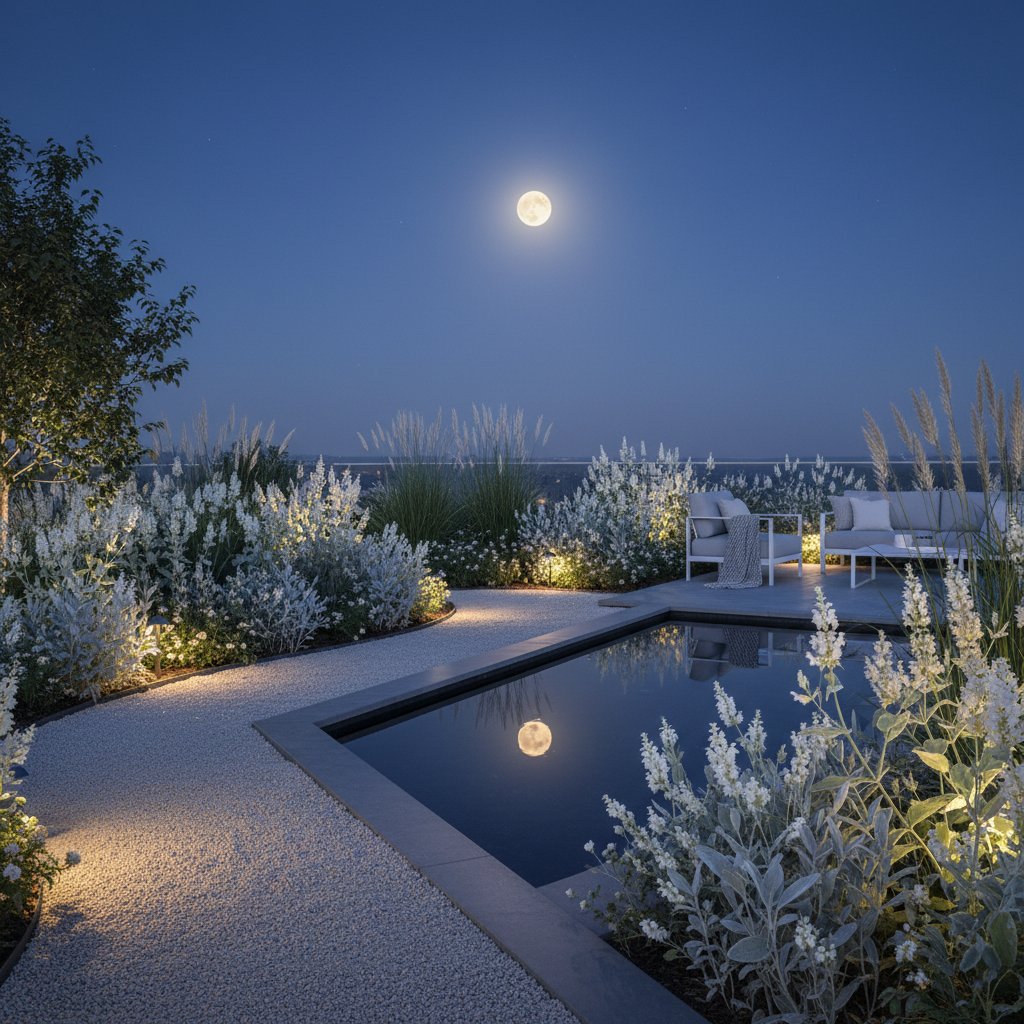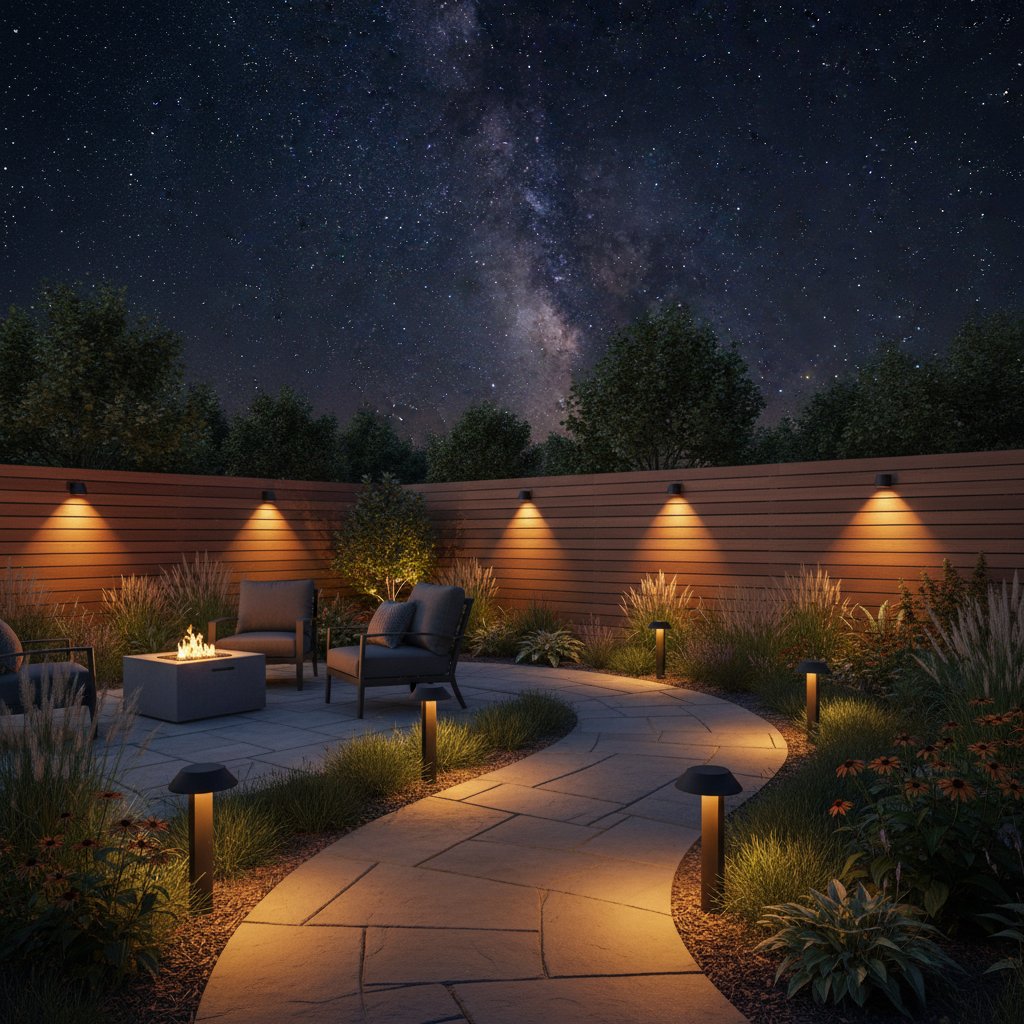
Reduce Glare and Pollution with Dark Sky Lighting
Many homeowners install bright outdoor lights for security, only to find that the glare disrupts the nighttime calm. These fixtures often wash out the stars and create an unnatural brightness. Dark sky lighting offers a solution by directing illumination downward, restoring serenity to your yard while maintaining safety.
Understanding Dark Sky Lighting
Dark sky lighting minimizes light pollution, the excess or misaimed glow that obscures the night sky. Fixtures in this category direct light toward the ground, avoiding upward or sideways spill. This approach illuminates pathways and features without affecting the broader environment.
Beyond preserving star visibility, dark sky lighting fosters a peaceful outdoor setting. It reduces eye strain from harsh beams and supports local wildlife. Birds, insects, and mammals depend on natural darkness for navigation and rest; artificial light interferes with these cycles, altering behaviors and habitats.
Assessing Your Current Setup
Walk your property after dark to evaluate light distribution. Identify areas where beams escape intended zones, such as upward from wall-mounted units or across property lines. Note fixtures that cause uneven brightness, making navigation difficult.
Experiment by switching off lights individually. This reveals essential versus excessive illumination. Homeowners often find that strategic placement of fewer fixtures achieves both security and subtlety.
Planning Effective Lighting
A thoughtful design integrates safety, aesthetics, and ecology. Prioritize illumination for high-traffic areas like walkways and entrances, while minimizing waste.
Consider these principles:
- Select fully shielded fixtures that conceal the bulb and direct light downward.
- Opt for warm-toned bulbs with low wattage; avoid cool blues that exacerbate sky glow.
- Install lights at ground level for paths or angle them precisely for walls and doors.
- Incorporate sensors or timers to activate lights only during use.
Such planning creates defined pools of light that accentuate garden elements without overwhelming the scene.
Implementing Changes
Begin with targeted updates to avoid disruption. Replace existing fixtures with dark sky-approved models, such as bollards or recessed step lights. These keep beams focused low.
For retained hardware, add shields to block stray light. Choose bulbs rated at 2700K or warmer for a soft ambiance, and select lower lumens to match needs. Test adjustments nightly to refine coverage.
Observe the transformation: clearer skies, highlighted foliage, and reduced energy use. These modifications enhance usability without excess.
Sustaining Your System
Regular checks ensure long-term effectiveness. Inspect fixtures seasonally for misalignment or dirt buildup that scatters light. Replace fading bulbs promptly to maintain color consistency.
Adapt to landscape evolutions, like new plantings that shift light paths. Minor tweaks preserve harmony between function and nature.
Enhancing Your Garden's Nighttime Appeal
Balanced lighting reveals your garden's contours under a gentle veil. Shadows play across leaves, inviting evening exploration. Wildlife resumes natural patterns, enriching the ecosystem.
This setup connects your home to its surroundings, promoting relaxation. It aligns personal comfort with broader environmental health.
Next Steps for Darker Skies
Adopt dark sky principles to secure your space thoughtfully. Gentle, directed light guides without dominating. Start assessing tonight and build a yard that honors the night's quiet beauty.