Top Cold-Hardy Vegetables for Spring 2025 Harvests
Gardeners often experience a sense of anticipation in late winter. The soil appears dormant, and the air retains a chill, yet thoughts turn to emerging green shoots. Many question which plants can withstand the variable conditions of early spring, including lingering frost. Rest assured, numerous gardeners share this enthusiasm while facing similar concerns. The solution lies in selecting cold-hardy vegetables that establish strong roots in cool weather and deliver fresh produce well ahead of summer.
This guide provides a clear path to choosing, planting, and nurturing these resilient crops. Each section builds practical knowledge for success.
Assess Your Growing Conditions
Begin by evaluating your garden site. Observe areas where snow melts earliest or where moisture lingers. Cold-hardy vegetables perform best in soil that drains efficiently and warms steadily. Opt for south-facing locations, raised beds, or spots sheltered by structures to capture sunlight and block strong winds.
Test your soil texture by squeezing a handful; if it forms a tight ball, it may need amendment. Use a garden fork to aerate compacted areas, then incorporate two to three inches of compost. This addition enhances drainage, supplies essential nutrients, and supports root development in low temperatures. Conduct this preparation in late winter for optimal results.
Prepare Soil and Planting Beds
Once conditions are assessed, focus on soil enhancement. Cold-tolerant crops require loose, fertile ground to access oxygen and water. Remove winter debris and weeds to prevent competition for resources.
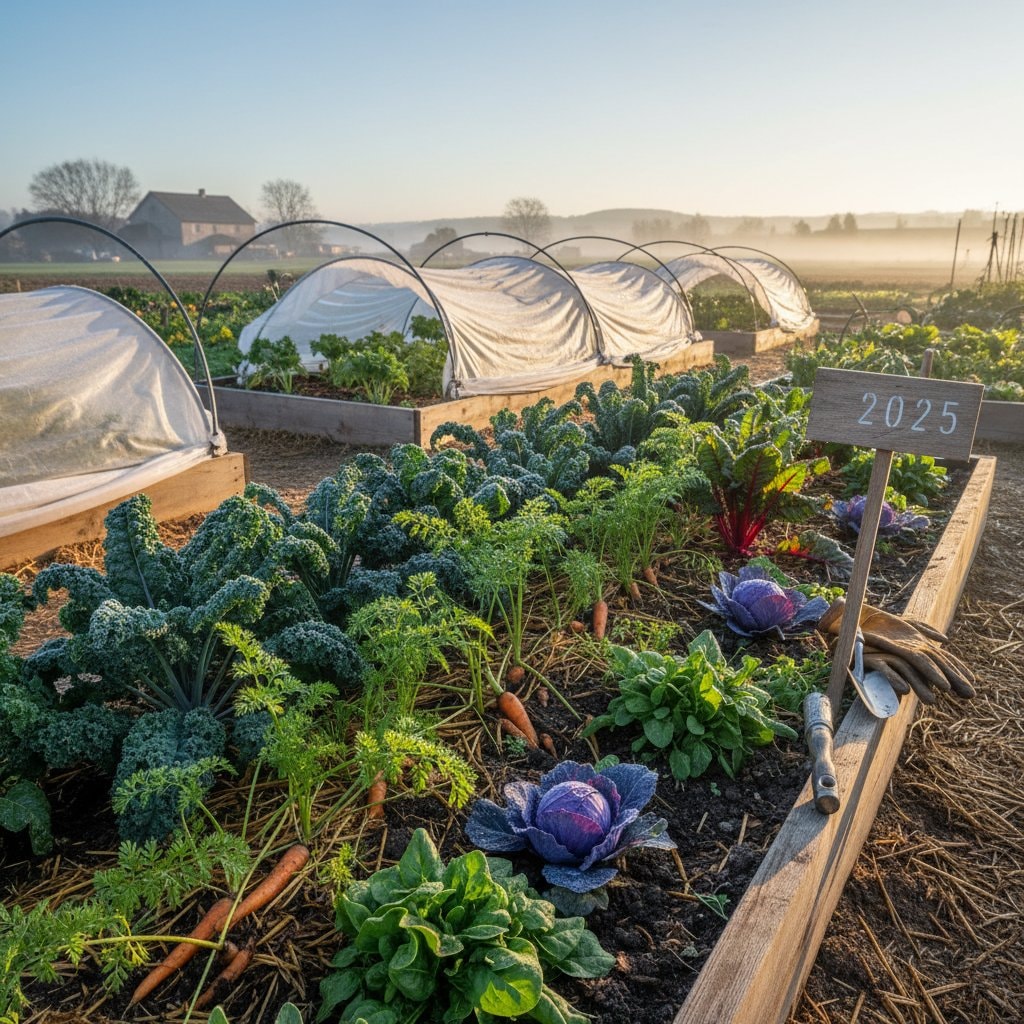
Spread a layer of organic mulch after initial tilling to retain moisture and suppress weeds. For raised beds, construct frames with untreated wood and fill with a mix of topsoil, compost, and sand if drainage proves challenging. Aim for a pH between 6.0 and 7.0; test kits from garden centers confirm balance. These steps create an inviting environment for early sowings.
Select and Plant Top Cold-Hardy Vegetables
Choose varieties proven for frost resistance. Plant seeds or transplants according to each crop's needs, spacing them adequately for air circulation. Below are eight reliable options, with specific guidance for cultivation.
1. Kale
Kale endures temperatures down to 20 degrees Fahrenheit and improves in flavor after light frosts. Select curly varieties for ornamental appeal or Lacinato types for smoother leaves. Sow seeds one-quarter inch deep, spacing plants 12 to 18 inches apart. Harvest outer leaves when they reach six inches, allowing the plant to yield continuously for weeks.
2. Spinach
Spinach germinates in soil as cool as 40 degrees Fahrenheit and matures in 40 to 50 days. It favors nitrogen-rich soil; amend with aged manure before planting. Sow seeds in rows one-eighth inch deep, thinning to four inches between plants. Succession plant every 10 days to extend the harvest period and avoid bolting in warming weather.
3. Carrots
Carrots develop optimal sweetness in cool conditions and tolerate light frosts. Opt for Nantes or Danvers varieties in clay soils to minimize forking. Sow seeds one-quarter inch deep in rows 12 inches apart, covering lightly with vermiculite for even moisture. Thin seedlings to two inches spacing once they emerge; harvest when roots reach one inch in diameter.
4. Cabbage
Cabbage forms dense heads in 60 to 90 days and stores for months post-harvest. Start seeds indoors six to eight weeks before the last frost, then harden off transplants. Space plants 18 inches apart in rows three feet wide. Water deeply once a week, applying one inch of water, to promote even head development and reduce splitting risks.
5. Peas
Peas fix nitrogen in soil and climb vigorously in mild springs. Sugar snap or shelling varieties suit most gardens; install supports at planting. Sow seeds one inch deep, two inches apart, in double rows for efficiency. Inoculate seeds with rhizobia bacteria for better yields; harvest pods when plump but tender to stimulate further production.
6. Beets
Beets offer dual harvests from roots and greens, maturing in 50 to 60 days. Detroit Dark Red performs reliably in cool weather. Soak seeds overnight before sowing one-half inch deep, thinning to four inches. Harvest greens at four inches tall, then roots at two to three inches for peak tenderness.
7. Broccoli
Broccoli produces central heads in 60 to 70 days, followed by side shoots. Choose hybrid varieties like Waltham 29 for frost tolerance. Transplant seedlings 18 inches apart after four to six weeks indoors. Side-dress with nitrogen fertilizer at transplanting; cut heads when buds tighten to encourage secondary growth.
8. Lettuce
Lettuce withstands frosts down to 28 degrees Fahrenheit and offers quick harvests in 30 to 45 days. Mix loose-leaf types like Black Seeded Simpson with romaine for variety. Sow seeds shallowly, one-eighth inch deep, in bands for easy cutting. Use row covers rated for 4 to 6 degrees of frost protection during cold snaps.
Maintain and Harvest for Extended Yields
Sustain plant health through consistent care. Monitor soil moisture with a finger test; water when the top inch feels dry. Apply a balanced, slow-release fertilizer at planting, then again midway through growth.
Harvest promptly to promote vigor: remove leaves from the exterior of greens, twist roots gently for carrots and beets. Scout for aphids or cabbage worms weekly, applying a soap-water spray if needed. Rotate planting sites annually to preserve soil fertility and curb diseases. These practices ensure bountiful, healthy crops.
Build Momentum for a Productive Season
Early planting with cold-hardy vegetables transforms uncertain springs into reliable sources of fresh produce. Apply these strategies to witness steady progress, from first sprouts to abundant harvests. Your efforts yield not only nourishment but also the satisfaction of a resilient garden.