Merge Stone and Life for Biophilic Yard Magic
Moss finds its way into the cracks of old stone in a calming manner. It softens sharp edges, fills gaps that once seemed empty, and turns what might have appeared cold into something quietly alive. Gardens where stone and life meet often feel like a conversation. This exchange occurs slowly through moisture, shade, and time. When you view your yard as a space where stone and life share, you begin to grasp the essence of biophilic design.
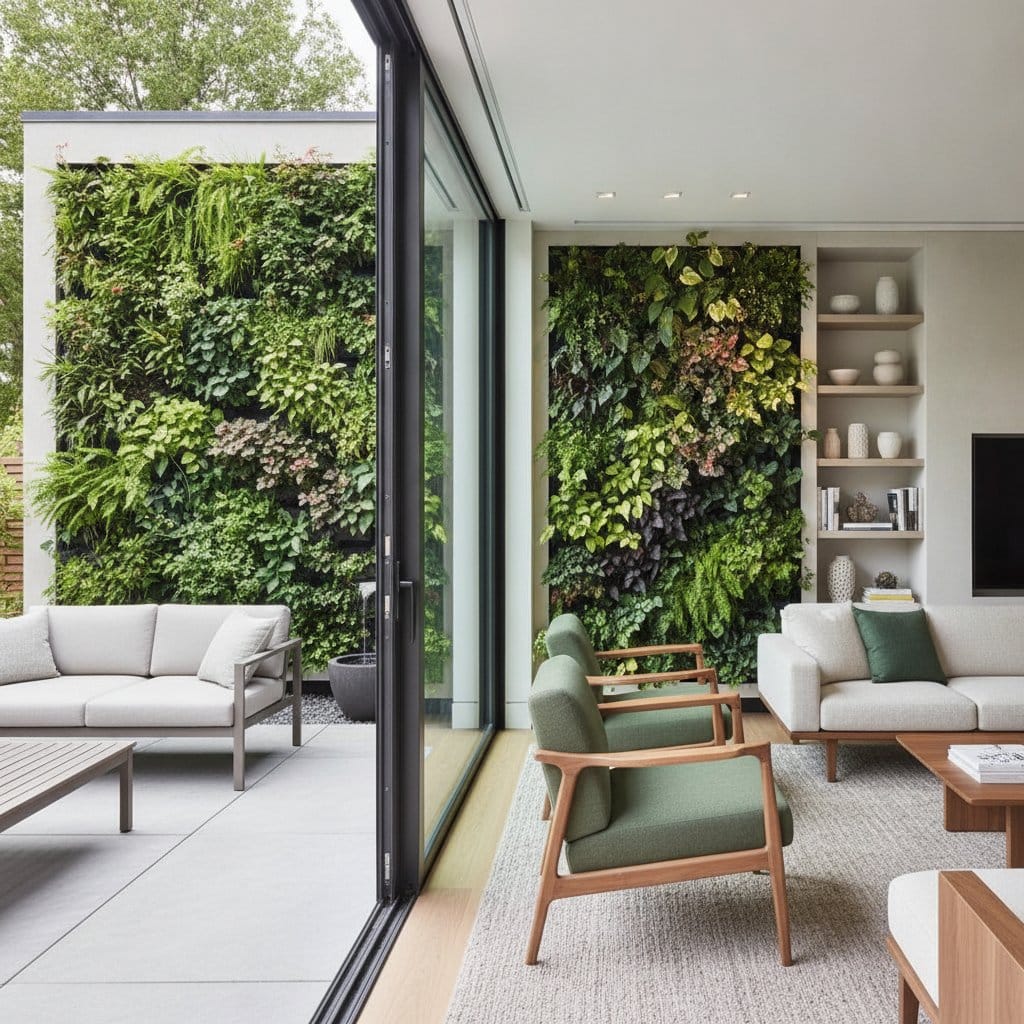
Biophilic design represents more than a trend. It invites natural systems, textures, and rhythms into built spaces. In a yard, this approach blends hard materials such as stone, gravel, or concrete with living ones like moss, ferns, or creeping thyme. The objective lies in allowing these elements to complement each other, creating a sense of wholeness.
The Balance of Structure and Softness
A garden that feels alive relies on balance. Stone provides structure. It defines paths, walls, and focal points that anchor the eye. Plants introduce movement and change. When these elements interact, the yard feels grounded yet dynamic.
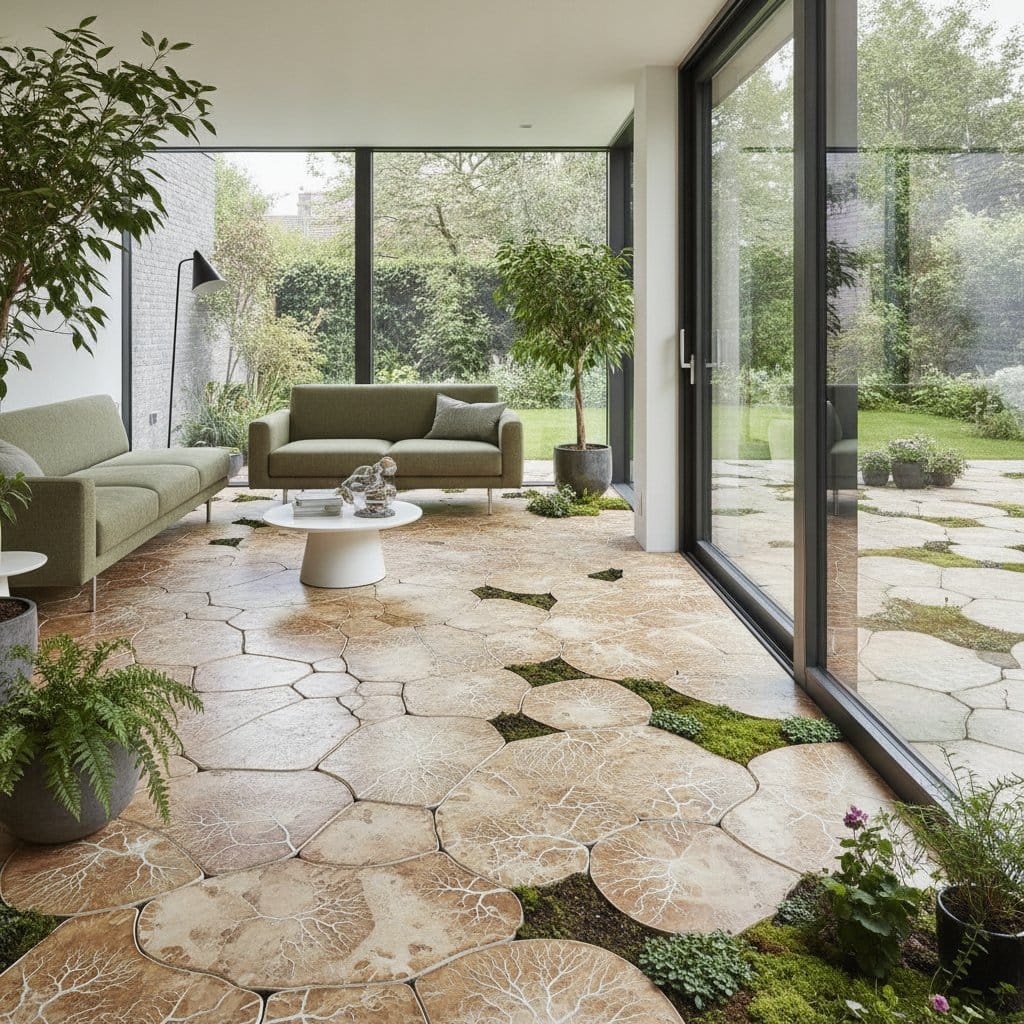
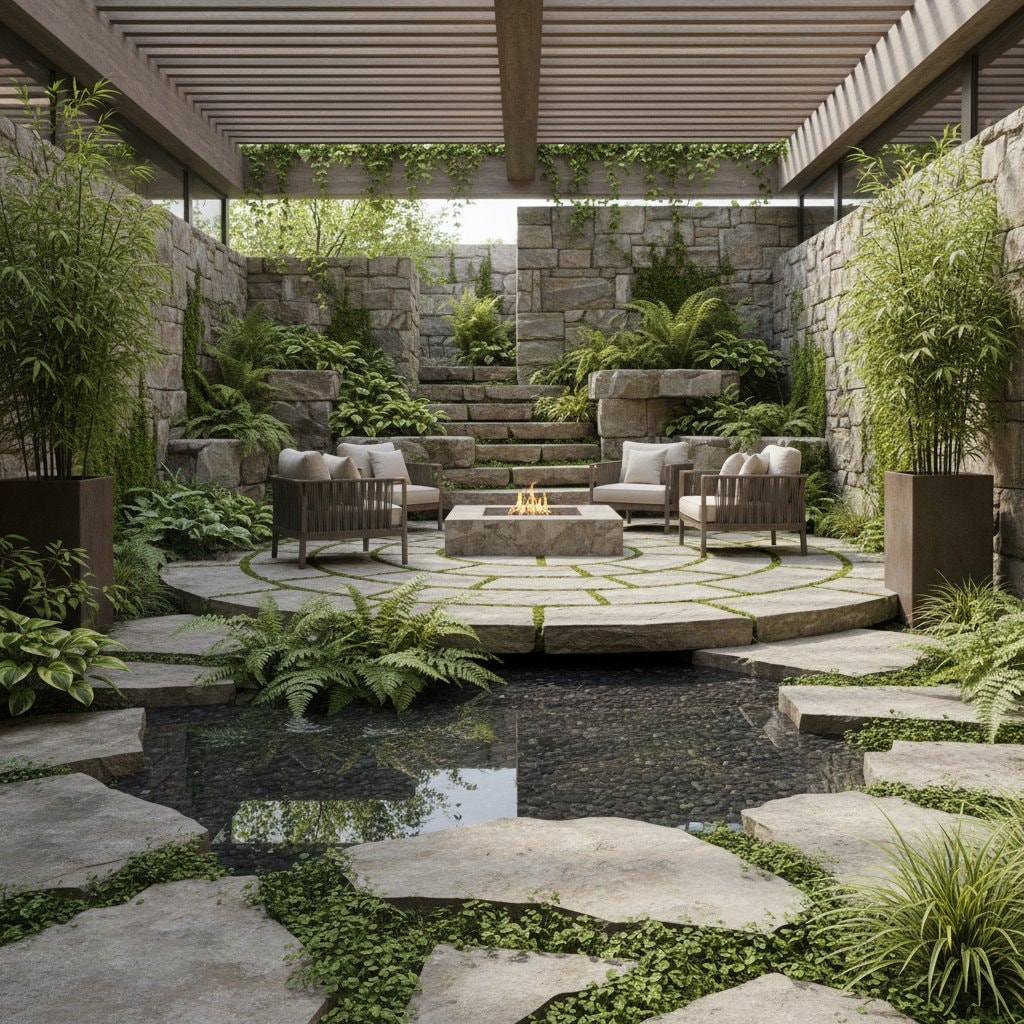
Consider a stone patio with moss filling joints between pavers. The stones offer a stable walking surface, while moss adds depth and connects to the broader garden. This pairing serves practical and emotional purposes. It shows human design integrated with natural influence.
This principle applies at various scales. A large boulder encircled by low groundcover becomes a natural centerpiece. A rock border softened by creeping plants creates a relaxed boundary. Allow living elements space to grow naturally without imposing rigid order.
Why Moss Matters
Moss warrants particular focus in biophilic hardscapes. It flourishes where other plants falter, such as shaded corners or damp stone surfaces. Moss requires no traditional soil. It absorbs moisture from the air and attaches to surfaces that most plants overlook. This adaptability positions moss as an ideal stone companion.
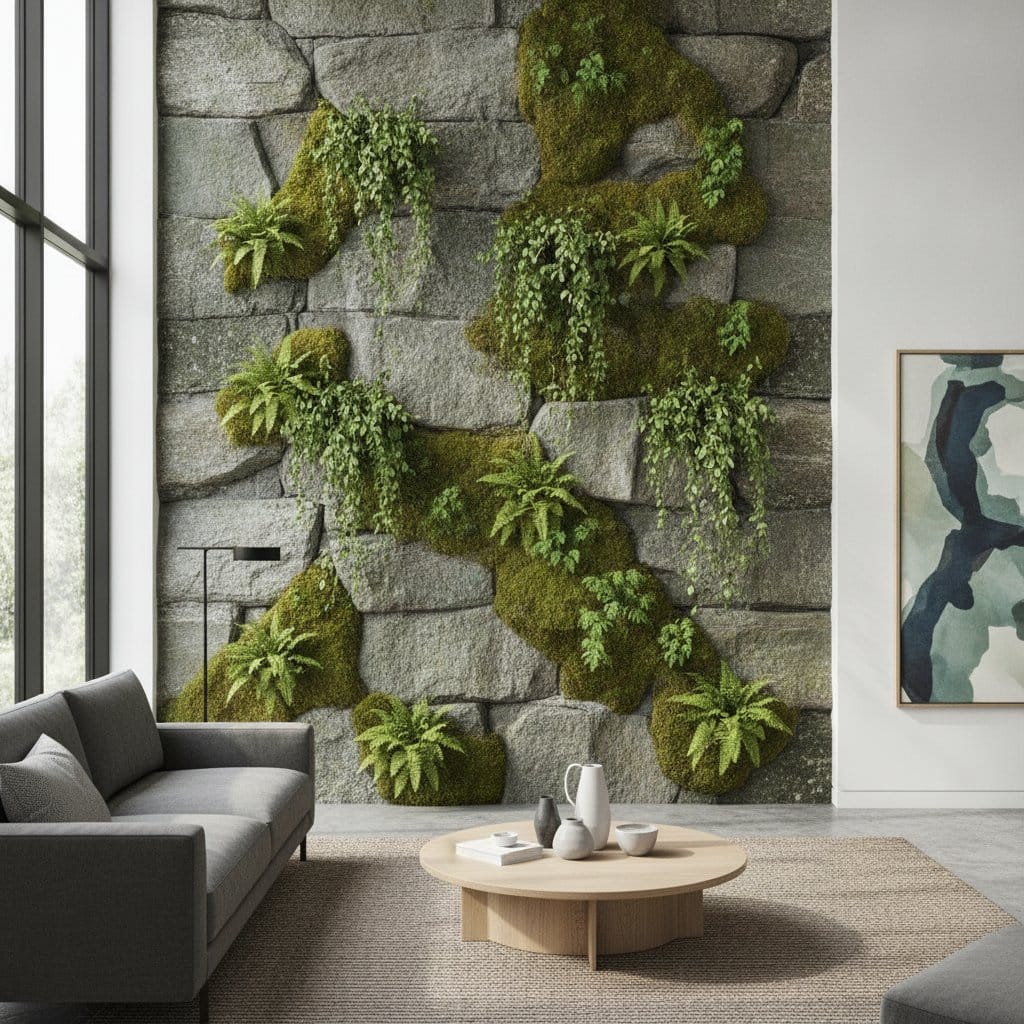
Moss alters texture perception. A rough rock gains gentleness beneath a green cushion. Colors intensify after rain, highlighting water's transformative effect. Practically, moss prevents erosion in crevices and cools surfaces in heat. It delivers beauty alongside utility.
To encourage natural moss growth, foster preferred conditions. Provide shade, moisture, and minimal disturbance. Avoid heavy foot traffic in targeted areas. Mist with water during dry periods, but refrain from excessive intervention. Moss thrives when it appears to arrive independently.
Designing with Contrast in Mind
Merging stone and life relies on contrast for interest. Smooth stone next to textured foliage, dark slate against vibrant moss, or rough gravel edged by soft grass fosters visual harmony. The eye appreciates balanced contrast over stark opposition.
Build this balance through these strategies:
- Vary texture and tone. Pair rough stone with fine-leaved plants or smooth pavers with coarse moss.
- Use repetition for unity. Incorporate the same stone type or plant species across the space for cohesion.
- Align with natural patterns. Note water flow, shade shifts, and damp zones. Position materials accordingly.
- Embrace imperfection. Retain uneven edges or weathered stones to evoke authenticity.
Contrast avoids conflict. It allows each material to accentuate the other's attributes. Thoughtful application yields deliberate yet organic results.
Finding Inspiration in Nature’s Patience
Nature proceeds without haste. Stones weather gradually, plants expand at their rhythm, and moss emerges under suitable conditions. Biophilic yard design benefits from embracing patience. Set the foundation, and let life elaborate over time.
Observe subtle evolutions in biophilic landscaping. A new stone path may sprout green patches the following season. Ferns could establish in unplanned shaded spots. These developments affirm that gardens evolve like wild landscapes.
Collaborate with this process. Select materials that mature elegantly. Natural stone acquires a patina that enhances appeal. Tint or texture concrete to blend with surroundings. Incorporating time enriches the yard with genuine narrative.
Practical Tips for a Living Hardscape
Poetic concepts require concrete execution. Integrate stone and life by addressing their needs from the outset.
Follow these steps:
- Prepare the base. For pavers or retaining walls, install proper drainage to prevent pooling. Moss and plants favor moisture, but excess harms stone.
- Select compatible plants. Choose species suited to stone conditions, such as moss, ferns, sedums, or creeping thyme.
- Promote natural spread. Leave gaps for moss or groundcovers to colonize gradually rather than filling every space.
- Maintain gently. Skip harsh cleaners or power washing on mossy surfaces. Opt for light brushing and selective pruning.
These practices sustain the interplay between built and living features. Aim for continuity over flawlessness.
Experiencing the Benefits of Biophilic Design
A biophilic yard extends beyond visuals. It influences movement, breathing, and outdoor time. Barefoot steps on warm stone amid cool moss differ from uniform pavement. Resting near a vine-climbed wall alters enclosure perception. Textures, scents, and sounds enhance well-being subtly.
As living elements integrate, the space encourages unhurried pauses. Water trickling over stone, rain-glistened moss, or textured rock underhand become quiet rituals. These elements captivate without insistence.