Build Starlit Yards with Dark Sky Lighting Principles
Homeowners often face a challenge when stepping into their yards after dark: the harsh glare from porch lights or window reflections obscures the night sky. Yet safety and the preservation of natural darkness need not conflict. Dark sky lighting principles enable the creation of outdoor spaces that provide security while revealing the stars above.
Understanding Dark Sky Lighting Principles
Dark sky lighting involves outdoor fixtures that minimize glare, direct illumination downward, and curb light pollution. This method honors the natural night by ensuring clear visibility without overwhelming the sky. Light pollution arises from excessive or misdirected artificial light, which obscures stars, disrupts wildlife behaviors, consumes unnecessary energy, and alters the serene atmosphere of outdoor areas.
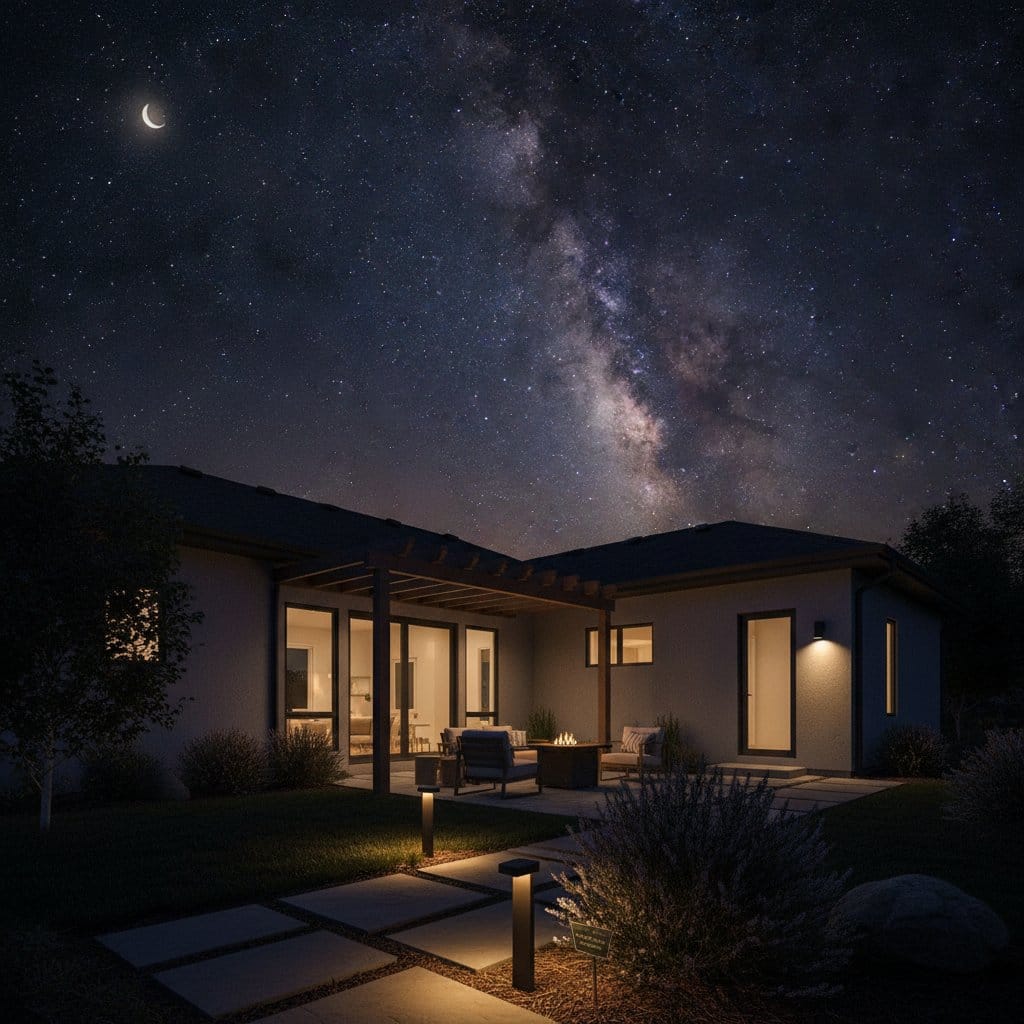
Fixtures adhering to these principles focus light precisely where required, avoiding upward or outward spill. This adjustment shifts nighttime illumination from stark brightness to a subtle, harmonious glow that integrates with surrounding darkness.
Step One: Assess Your Current Lighting Setup
Begin the process by inspecting your property after sunset. Observe the performance of each light source, noting areas of intense brightness that hinder eye adjustment or beams that encroach on neighboring properties. Identify fixtures directing light skyward, as these contribute to pollution and energy waste.
Evaluate the actual illumination requirements for your space. Overlit yards often appear stark rather than welcoming. Strategic placement of shielded lights proves more effective than widespread floodlighting. Prioritize safety zones like stairways, pathways, and entry points.
Step Two: Plan with Purpose
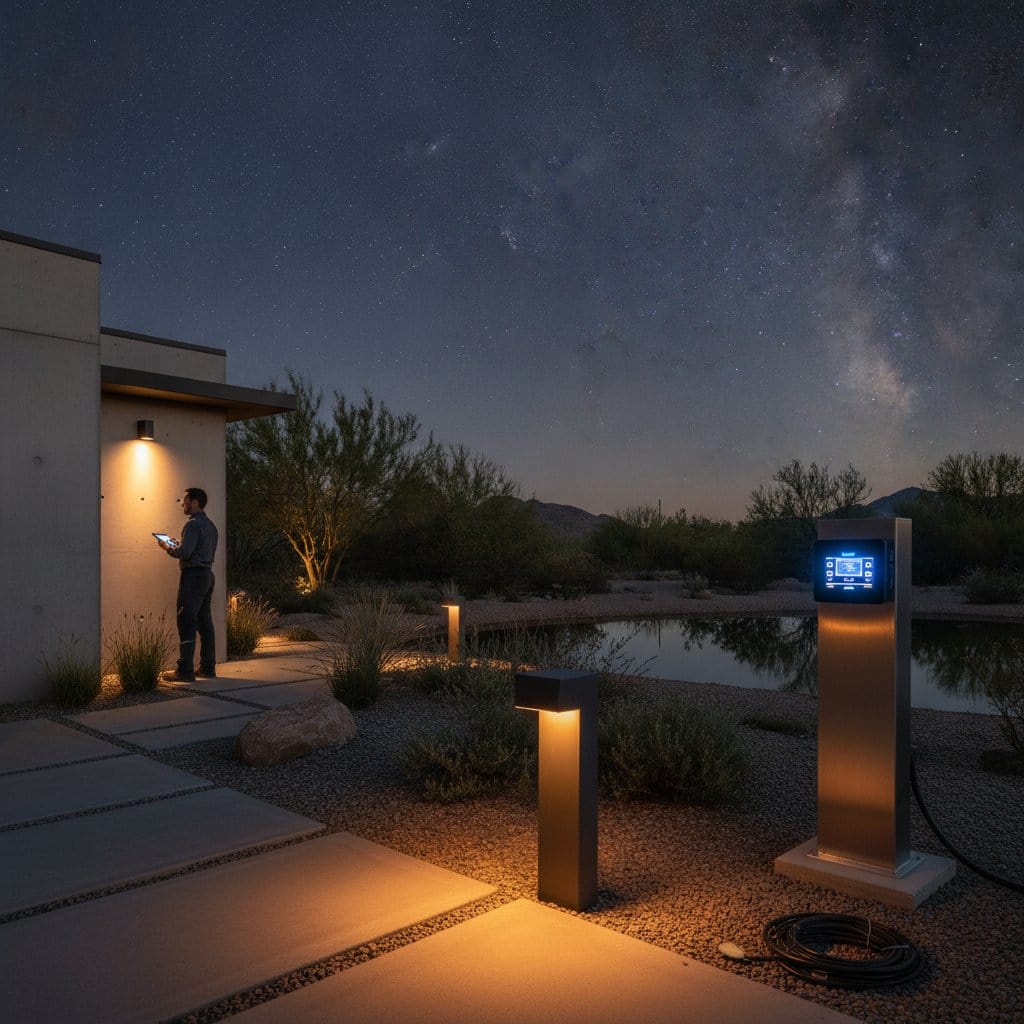
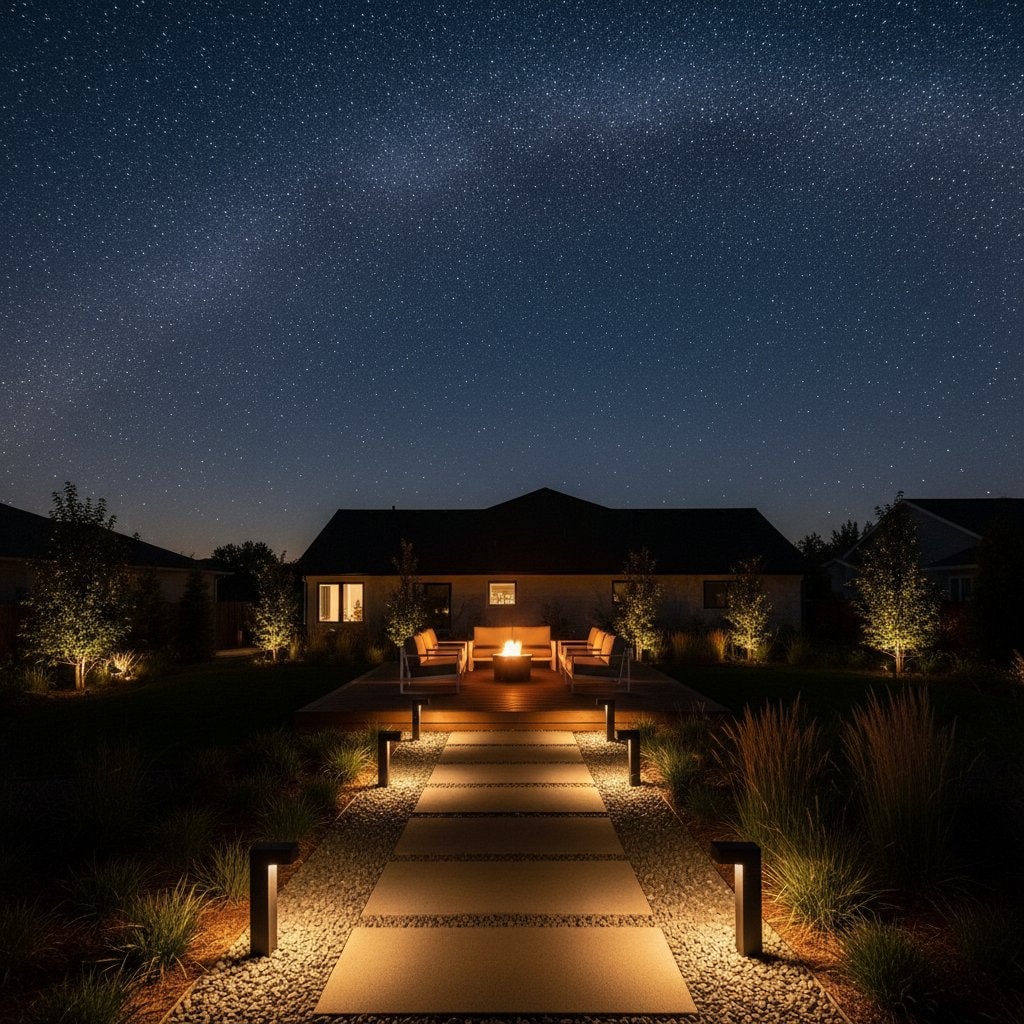
With insights from the assessment, develop a targeted lighting plan. Assign a specific function to every fixture, considering nighttime navigation patterns. For instance, install low-level path lighting along garden routes or subtle uplighting beneath trees to accentuate forms without dominating the scene.
Select fixtures engineered for downward direction, featuring shields or hoods to eliminate glare. Opt for models certified as full cutoff or dark sky compliant, which ensure light remains contained and useful. Emphasize utility over intensity; the objective is comfortable visibility, not pervasive brightness.
Step Three: Select Appropriate Bulbs
Bulb selection influences light quality as much as fixture design. Cool white or bluish tones scatter widely in the air, creating a hazy sky appearance. Warm hues, such as amber or soft yellow, produce a gentle radiance that harmonizes with nocturnal surroundings.
LED bulbs offer efficiency and longevity advantages. Choose options with color temperatures below 3000 Kelvin for warmer output, which eases eye strain and environmental impact. Maintain moderate lumens to avoid an unnatural feel; for example, 300 to 800 lumens suffice for most path or accent applications.
Step Four: Install with Precision
Precise installation determines effectiveness. Mount fixtures to illuminate only intended surfaces, such as directing path lights onto walkways rather than adjacent plantings. Position wall-mounted units to cover doorways and immediate surroundings, excluding broader house facades.
For ornamental elements, integrate low-voltage systems or solar lanterns that provide ambiance without excess glare. Incorporate motion-activated sensors to activate lights solely during movement, thereby conserving energy and preserving darkness during idle periods.
Step Five: Maintain for Longevity
Routine maintenance sustains optimal performance. Accumulated dust or weather exposure can alter light distribution. Inspect fixtures periodically to confirm cleanliness and stability, replacing any failed bulbs with equivalents in warm tones.
As landscapes evolve with plant growth, reevaluate lighting alignment. A maturing tree may require repositioning to avoid shadow conflicts. These adjustments ensure ongoing efficiency and visual harmony.
Broader Impacts of Dark Sky Practices
Adopting these principles extends advantages beyond your property boundaries. Reduced glare improves visibility for drivers and neighbors alike. Wildlife, including birds and nocturnal species, benefits from undisturbed cycles, while energy savings align with sustainable habits.
Local regulations increasingly promote such standards through lighting ordinances, fostering community-wide safety and conservation. Personally, these changes cultivate a tranquil yard that invites extended evening enjoyment, with stars emerging more vividly overhead.
Enhance Your Garden's Nocturnal Vitality
After implementation, observe the subtle shifts: calmer air and seamless transitions between garden and sky. Increased nocturnal insect activity around blooms or returning wildlife sounds indicate a revitalized ecosystem.
Seasonal reviews confirm downward aiming, sensor functionality, and balanced intensity. Consistent attention yields enduring improvements, integrating your yard more fully into its natural context.
Balance Illumination and Shadow Thoughtfully
Effective dark sky lighting rejects the notion of sacrificing convenience for darkness. It achieves equilibrium between light and shade, viewing the yard as an organic extension of earthly cycles.
Upon emerging at night, more stars become apparent, and the garden radiates softly amid the dark. This serene interplay demonstrates how thoughtful design unites aesthetics with ecological stewardship.