Unlock the Power of Mushroom Compost for Healthier Soil
Gardens thrive when the soil beneath supports robust growth. Healthy soil maintains a lively texture, holds moisture effectively, and brims with essential nutrients. Mushroom compost emerges as a key tool in achieving this foundation, offering a natural method to rejuvenate tired earth and foster long-term vitality.
What Is Mushroom Compost?
Mushroom compost sparks curiosity among gardeners. Many picture it as ground-up mushrooms or a unique fertilizer blend. In reality, it serves as the nutrient-packed residue from commercial mushroom production.
Producers combine straw, horse manure, gypsum, and additional organic materials to create a growing medium for mushrooms. After harvesting, the leftover substrate undergoes pasteurization and decomposition, resulting in a stable, microbe-rich compost. This process eliminates pathogens and weed seeds, rendering it safe and immediately usable without the risk of root burn common in fresh manures.
The term spent mushroom substrate describes its origin, but it belies the composts potential. Repurposed for gardens, it initiates a new phase of enriching the earth.
Key Benefits for Garden Soil
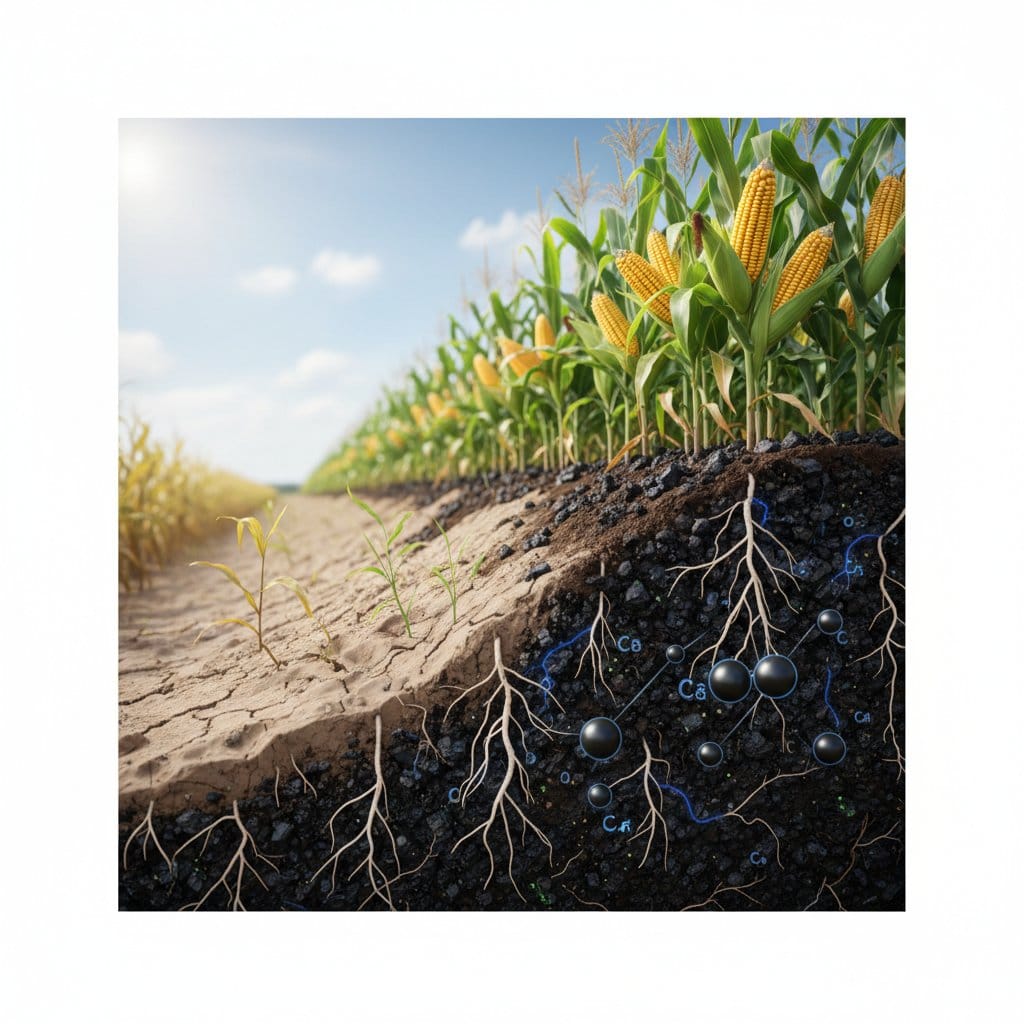
Soil depletes over time from intensive planting, erosion, and weather extremes. Mushroom compost restores equilibrium by enhancing structure, boosting water-holding capacity, and providing gradual nutrient release.
Its balanced composition delivers moderate nitrogen levels that promote steady growth without overwhelming tender plants. Unlike chemical fertilizers that deliver quick bursts, this organic option sustains soil life, leading to darker, friable earth that teems with earthworms and beneficial organisms.
Gardeners observe tangible improvements after incorporation. Plants exhibit stronger roots, reduced wilting, and increased yields, all stemming from the composts ability to create an aerated, fertile environment.
The Science Behind Its Effectiveness
Mushroom cultivation naturally breaks down complex organics into plant-available forms. Fungi and bacteria in the process convert straw and manure into humus-like material rich in potassium, phosphorus, and micronutrients.
This results in a dual-role amendment: it conditions soil by increasing organic content for better drainage and aeration, while feeding the microbial community that cycles nutrients. In clay-heavy soils, it prevents compaction; in sandy types, it enhances retention.
Long-term use builds soil organic matter, mimicking natural forest floors and reducing reliance on supplemental inputs.
Selecting Quality Mushroom Compost
Variability exists among products based on regional practices and source materials. Opt for compost that appears dark brown, earthy-smelling, and easily crumbled, indicating full maturation.
Steer clear of batches with a sharp ammonia odor or visible undecomposed chunks, signs of incomplete processing. Certified organic versions ensure minimal contaminants, while bulk purchases from reputable suppliers often prove cost-effective for larger gardens.
Test pH before widespread use; most mushroom compost registers neutral to slightly alkaline at 6.5 to 7.5, ideal for many crops but requiring caution with acid-preferring species.
Practical Applications in the Garden
Incorporate mushroom compost strategically to maximize impact. Begin with soil testing to gauge needs, then apply during preparation seasons.
-
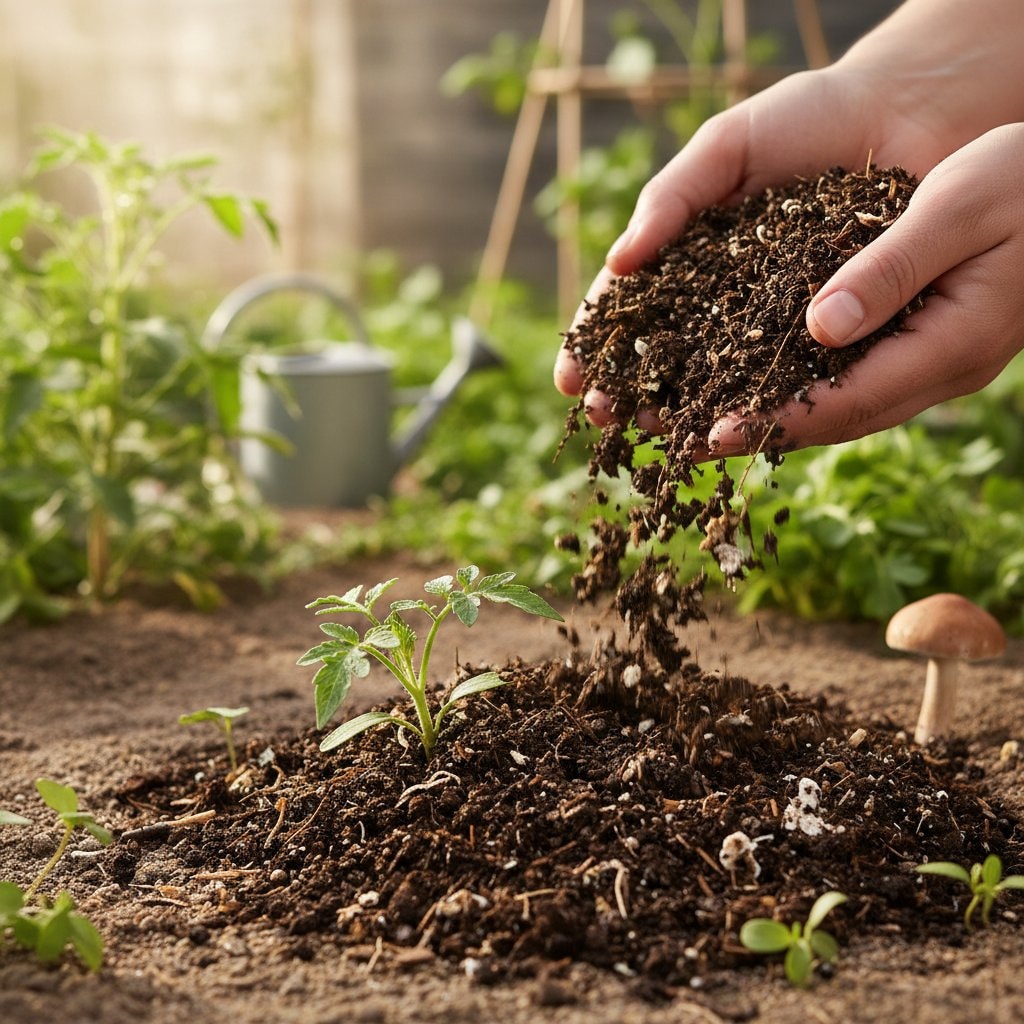
Bed Preparation: Till 2 to 3 inches into the top 6 to 8 inches of soil at a 1:3 ratio with native dirt. This aerates heavy soils and enriches poor ones for vegetable or flower beds.
-
Mulching: Apply a 1- to 2-inch layer around established plants, keeping it 2 inches from stems to avoid rot. It conserves water, moderates temperature, and deters weeds.
-
Container Mixes: Add 20 to 30 percent to potting soil for hanging baskets or raised planters, improving drainage while retaining necessary moisture.
-
Lawn Enhancement: Spread 1/4 inch over turf in fall, rake lightly, and irrigate to encourage deep rooting and green-up without excess thatch buildup.
Reapply annually, adjusting based on soil response and plant performance.
Mushroom Compost Versus Common Alternatives
Gardeners often compare it to familiar options like composted manure, leaf mold, or vermiculite. Well-aged manure supplies nitrogen but risks high salts; leaf mold excels in moisture retention yet lacks nutrition.
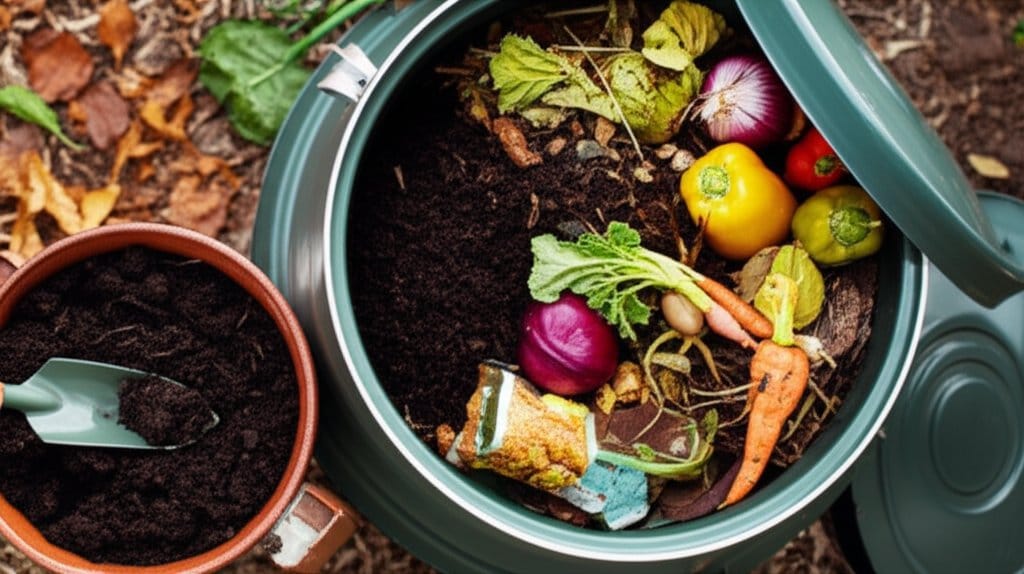
Homemade compost offers customization but demands time and space. Mushroom compost combines these merits: consistent quality, broad nutrient profile, and ease of handling, making it suitable for beginners and pros alike.
In trials, it outperforms peat moss in sustainability, avoiding mined resources while delivering comparable conditioning.
Sustaining Soil Health Over Time
Patience defines success with mushroom compost. Initial applications yield noticeable changes within one season, but cumulative effects emerge over years, fostering resilient ecosystems.
Monitor progress by digging test holes: look for increased worm activity, improved tilth, and even moisture distribution. Adjust usage to prevent over-alkalization, perhaps blending with pine needles for acidic zones.
This method cultivates soil that self-regulates, minimizing inputs and maximizing plant vigor.
Embracing Sustainability Through Reuse
Mushroom compost aligns with eco-conscious gardening by diverting agricultural waste from landfills. It embodies circular principles, transforming production byproducts into soil enhancers.
Sourcing locally reduces transport emissions, and its longevity cuts down on fertilizer needs. Gardeners contribute to broader environmental health by supporting such closed-loop systems.
Observing and Maintaining Garden Improvements
After integration, track subtle enhancements like reduced irrigation frequency and easier weed removal due to looser soil. Plants tolerate stresses better, from drought to pests.
Refresh with applications in spring for new growth and fall for winter protection. Combine with cover crops for compounded benefits, ensuring year-round soil vitality.
Getting Started with Mushroom Compost
Select a test area, such as a 10-by-10-foot plot, and document baseline soil conditions. Apply as directed, then evaluate after the growing cycle through plant health and soil samples.
Scale up based on outcomes, integrating it into rotations for perennials, annuals, and ornamentals. This approach builds confidence and yields a thriving, self-sustaining garden landscape.