Decomposed Granite: 2026's Low-Maintenance Path Trend
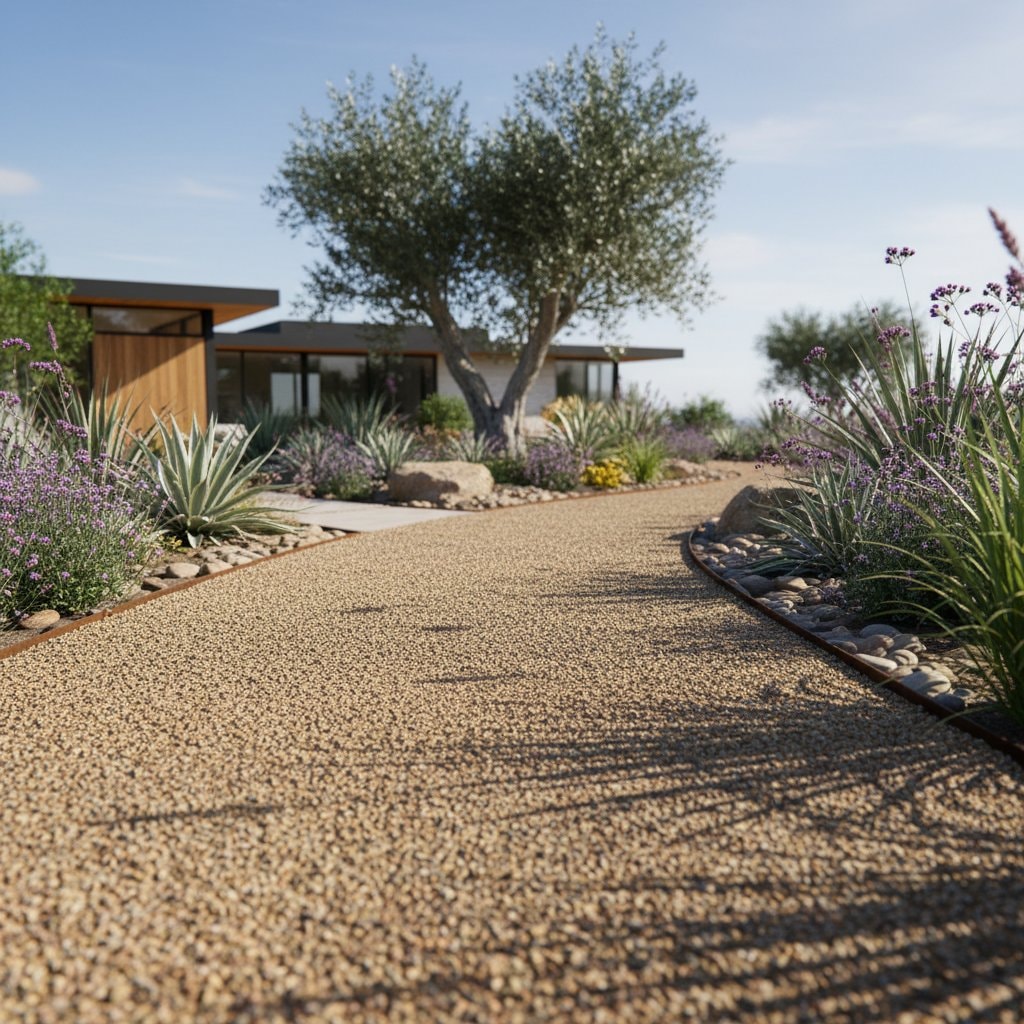
Homeowners seeking natural-looking paths that require minimal upkeep should consider decomposed granite. This fine, compacted stone material appeals to those desiring durability, affordability, and straightforward installation. It integrates seamlessly into modern and rustic landscapes, complementing plants, stone borders, and outdoor living spaces.
Decomposed granite derives from weathered granite broken down into small particles. Upon compaction, it creates a solid yet permeable surface that provides a firm feel underfoot. The result mimics a natural extension of the landscape, making it ideal for gardens and walkways that demand an organic aesthetic.
Why Decomposed Granite Is Gaining Attention
Decomposed granite, commonly abbreviated as DG, aligns with the rising preference for low-maintenance landscaping solutions. Homeowners prioritize functional areas that retain a natural appearance. DG paths achieve this equilibrium through simple installation, effective handling of foot traffic, and reduced water needs compared to lawns or concrete patios.
Decomposed granite appears in various colors, such as gold, brown, gray, and reddish hues. These options enable matching with a home's exterior or adjacent garden elements. Sourced from natural stone, the colors remain consistent through weathering.
Key Advantages for Homeowners
Several factors contribute to the increasing popularity of DG paths. These elements emphasize convenience, functionality, and visual appeal.
1. Easy Installation
Homeowners can install a DG path using basic tools. Begin by grading the area, adding a base layer of crushed stone, and compacting the granite atop it. For an average walkway, completion typically requires one weekend, depending on dimensions and slope.
2. Low Cost
Materials for a decomposed granite path range from one to three dollars per square foot. Professional installation, including labor and base preparation, elevates the total to six or eight dollars per square foot. This positions DG as one of the more economical hardscape choices relative to pavers, flagstone, or poured concrete.
3. Natural Drainage
The permeable nature of DG permits rainwater to infiltrate the soil rather than pool on the surface. This feature minimizes puddles and erosion while nourishing nearby plants through root-level water access.
4. Low Maintenance
After compaction, DG demands minimal care. Occasional raking addresses footprints or tire marks. Replenishing the top layer every few years preserves color and texture, with no need for sealing or washing.
5. Comfortable to Walk On
DG offers a stable, firm surface suitable for walking, strollers, and wheelchairs. It maintains traction even when damp, providing greater safety than smooth concrete or stone tiles.
How It Compares to Other Path Materials
Path surface selection hinges on cost, maintenance, and aesthetics. Decomposed granite compares favorably to alternatives in these aspects.
Gravel
Loose gravel proves less expensive yet unstable. Heavy rain or repeated use leads to scattered stones and uneven areas. In contrast, DG compacts into a more cohesive surface that remains intact over time.
Pavers
Pavers deliver a structured appearance but necessitate meticulous installation and joint cleaning. Higher costs and potential shifting from inadequate bases add challenges. DG provides a gentler, natural aesthetic with simplified setup.
Concrete
Concrete ensures longevity but incurs high expenses and risks cracking from soil shifts. It absorbs and reflects heat while clashing with garden settings. DG remains cooler and integrates more organically.
Mulch
Mulch paths install easily but degrade rapidly, particularly in moist environments. DG endures far longer without yearly replacements.
Installation Basics
Plan the path's route and contours before proceeding. Curved designs enhance natural flow and direct garden navigation.
Step 1: Mark and Excavate
Define the path using stakes or a garden hose, then excavate four to six inches of soil. Incorporate a slight slope for optimal drainage as required.
Step 2: Create a Base Layer
Layer two to three inches of crushed stone or gravel, then compact it using a hand tamper or plate compactor. This foundation enhances stability and averts future settling.
Step 3: Add the Granite
Distribute the decomposed granite uniformly over the base to a depth of two to three inches prior to compaction. Lightly mist with water and compact until firm.
Step 4: Finish and Edge
Secure edging to contain the granite, opting for metal or stone varieties. Rake the surface for uniformity.
Choosing the Right Type
Decomposed granite products vary in composition. Two primary categories exist: natural loose DG and stabilized DG.
Natural Loose DG
This basic, cost-effective option compacts densely while retaining some surface looseness. It suits light-traffic garden paths, seating zones, and low-use areas.
Stabilized DG
Incorporating a binding agent, this type secures particles for enhanced erosion resistance and firmness. Though pricier, it minimizes upkeep and excels on slopes, driveways, or high-traffic zones.
Maintenance Tips for a Lasting Path
DG paths require little effort, yet consistent practices ensure optimal condition.
- Rake periodically to even out irregularities.
- Apply fresh material every few years to refresh depth and hue.
- Sweep away leaves or debris to maintain cleanliness.
- Recompact following heavy rainfall if softening occurs.
- Manage weeds with pre-emergent treatments or early manual removal.
These routines demand minimal time while preserving firmness and attractiveness.
Common Challenges and How to Solve Them
Dust in Dry Conditions
Dry weather may generate dust from loose DG. Mitigate by lightly watering the surface or applying a stabilizer.
Erosion on Slopes
Downhill paths risk material displacement during rain. Reinforce with edging or underlying landscape fabric to secure the granite.
Weed Growth
Though DG inhibits most weeds, occasional sprouts appear at edges. Remove them manually or apply natural herbicides.
Color Fading
Sun exposure gradually lightens the stone. Restore vibrancy by topping with a thin layer of fresh material.
Where Decomposed Granite Works Best
Decomposed granite adapts to diverse outdoor environments. It performs particularly well in:
- Garden pathways linking flower beds or seating spots
- Courtyards requiring an informal, rustic base
- Driveways bolstered by stabilized DG for durability
- Play areas favoring soft, natural coverage
- Patios benefiting from breathable, cool surfaces
Its subdued tones and textures harmonize with native flora, desert landscapes, and wooded areas. Pair it effectively with stone edging, boulders, or gravel accents.
Environmental Benefits
Decomposed granite promotes sustainable landscaping practices. Its permeability facilitates groundwater replenishment and curbs surface runoff. Free from cement or chemical sealants, it minimizes environmental impact. Local sourcing in many areas reduces transport-related emissions.
For sustainable yards, integrate DG paths with drought-resistant plants, rain gardens, and permeable hardscapes. This approach yields natural aesthetics alongside simplified care.
Making It Happen
Decomposed granite delivers paths that appear natural, provide solidity, and demand scant maintenance. It undercuts most alternatives in cost and often allows self-installation.
Survey your yard to identify ideal DG path locations. Directing toward a garden bench, fire pit, or side entrance, it enhances utility and allure.